The "New Normal" After COVID-19
April 07, 2020
Global Stage LIVE from United Nations WATCH REPLAY
GZERO Media videos bring you the latest news and analysis about global news and geopolitics, including our television program "GZERO World with Ian Bremmer" and political satire series "Puppet Regime."
Presented by
What's the new normal going to look like? Now that numbers are at least plateauing, if not leveling off in hard hit countries in Europe. An effective lockdown may last 4 - 8 weeks. Once you start pulling back on quarantine measures, what's life look like? What's the economy look like? The idea that life is back to normal anytime soon is really, really overstated.
Assuming workplaces get fully functional with suitable personal protective equipment, feel comfortable that we're not going to get significant additional cases. In the workplace, you organize social distancing in offices, you give people more flexibility on work from home, and everybody in contact regularly with people gets masks. You should be able to get to that point within 3 months in the world's developed economies. They're there functionally in China. That allows you to get the economy going again.
It's hard to imagine people going back to bricks and mortar the way they did. People that weren't yet users of digital retail services, over 2-3 months had to get used to that, signing up with accounts, suddenly finding it's convenient. Many are not going to feel comfortable jumping back into a crowded store if they don't absolutely have to. Not when you don't yet have full information on who does and does not have the disease, who is and is not immune. If you don't have a vaccine, how many people are going to be willing to go and watch a live sporting event or go to a crowded bar or restaurant? These things do not get back to real normal until you have a vaccine that is distributed globally with the technology information on individual people to back it up. That's a year and a half out.
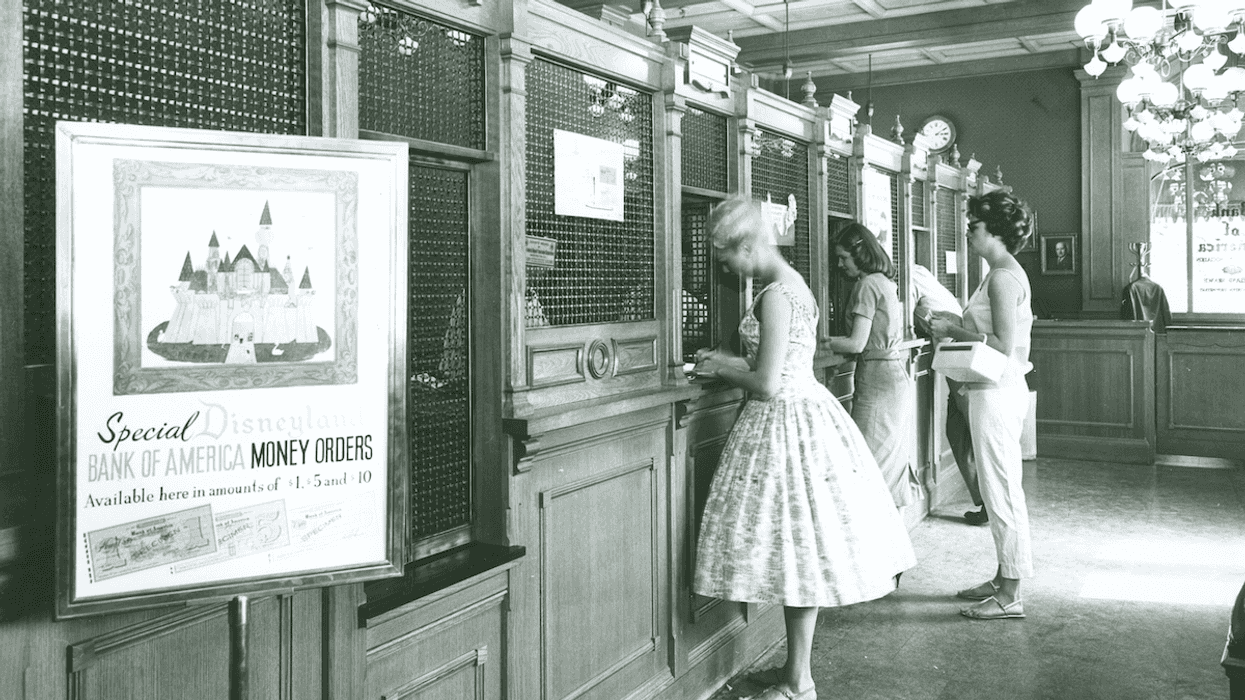
The artificially depressed economy - you've changed people's psychology around the economy. Like tourism. Who wants a middle seat and bring their family to Disneyland in this environment?
Emerging markets can't engage in social distancing because people don't have space. Don't have the money to shut down their economies fully and won't have the technology to ensure that everyone is or is not going to be identified as being a carrier, asymptomatic or not. Those economies are going to be depressed for a lot longer. Secondary outbreaks that come seasonally are likely to be much more significant. Shutdowns of travel, from the developed countries and China, last a lot longer. Supply chains and travel chains are going to be broken - like a year or a year and a half.
You will get a "new normal" once you have a working vaccine and the tech. That's more like mid 2021 than later in this year. We'll feel like society functions more effectively, but will have taken a lot of people out of that economy. The working class and the middle class, already saw growing inequality in the United States, it's going to grow much more significantly in the US and Europe. A global middle class in emerging markets that benefited from globalization is going to get hurt by globalization.
CEOs I've talked to over the course of the last week have all made it clear that they will be running more efficiently with fewer people and smaller real estate footprints. This hits commercial real estate. It hits the working and middle class. People that weren't as capable of working from home to begin with. The knowledge economy, no problem streaming on Zoom, no problem continuing to pick up your paycheck in most cases. But an "essential worker" in sanitation or retail or driving, making $10, $12, even $8 an hour - is most endangered by the environment of coronavirus, and most dispensable when suddenly we come back to full functioning of the economy. That's going to require significant redistribution in social safety net benefits.
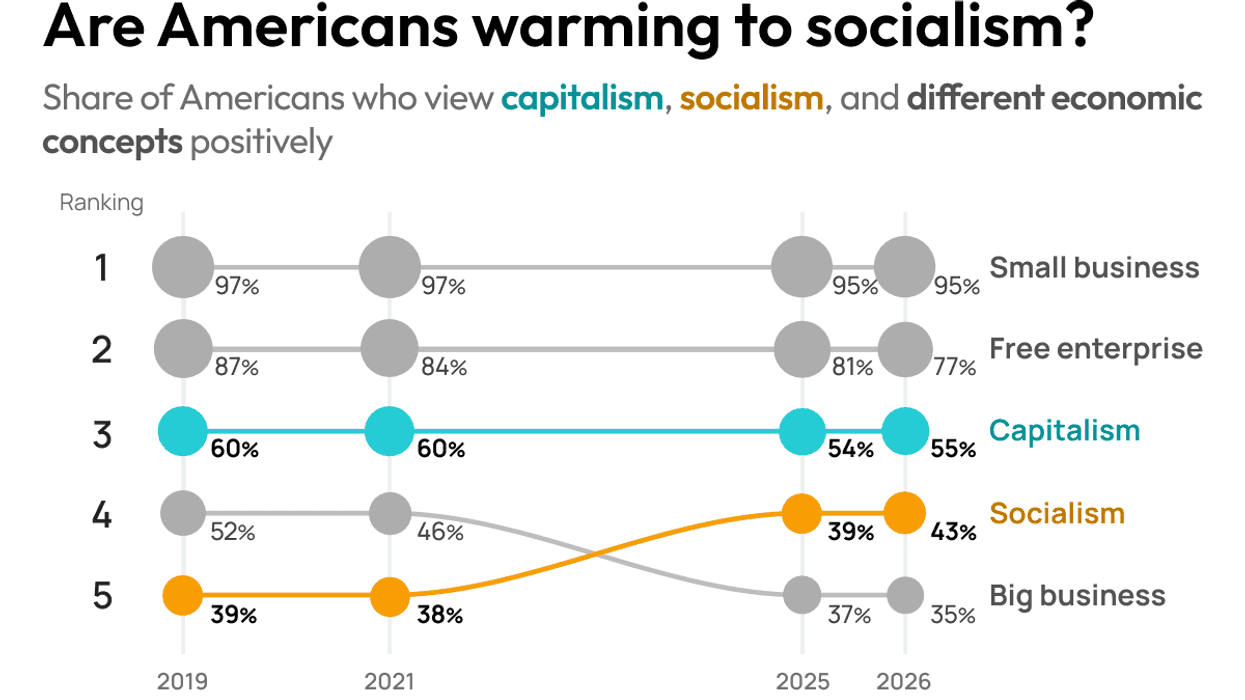
If that's not done at the government level, we'll see much more political polarization. Remember how we got Trump, Bernie Sanders, Brexit. This is a much greater shock to those people. Disempowerment, economic destruction to come. We in the developed world have enough money to keep people afloat for 6 months of the worst contraction in the economy. They're not going to be doing better when we've run a 20% to GDP deficit. Where's the money for 2021 when they're still hurting? If you don't fix that longer-term (after 2008-2009, we did not), political polarization will grow vastly more toxic.


Keep up with what’s going on around the world - and why it matters.