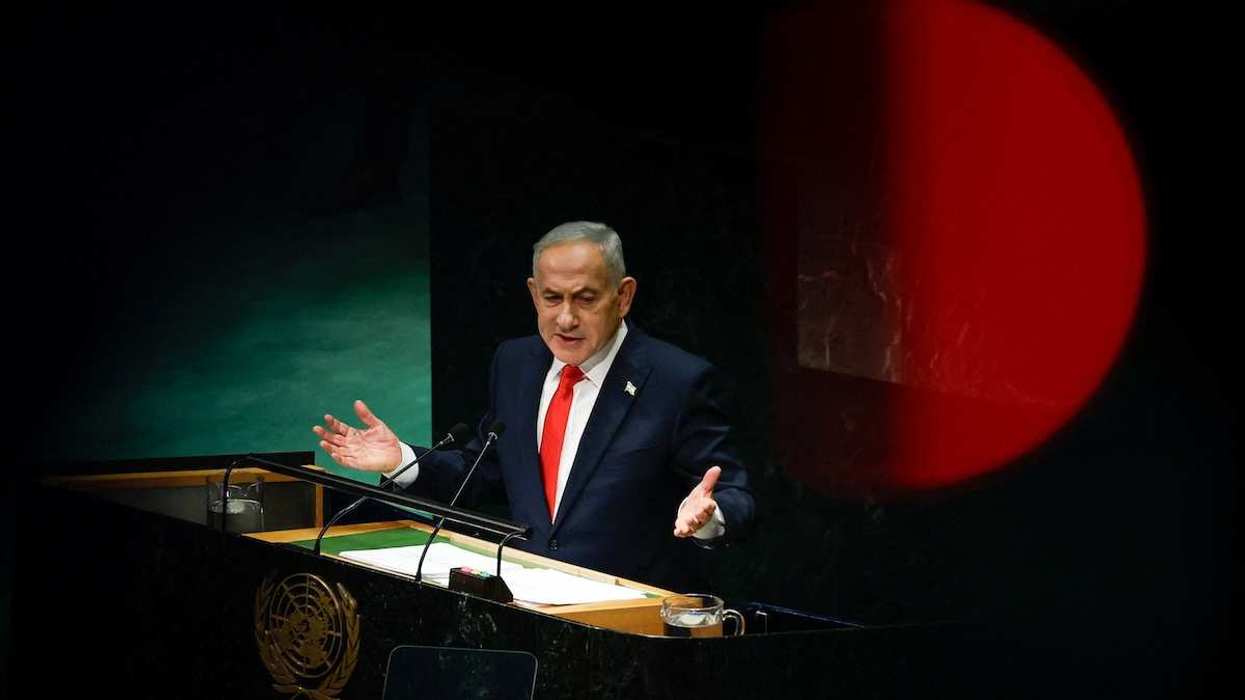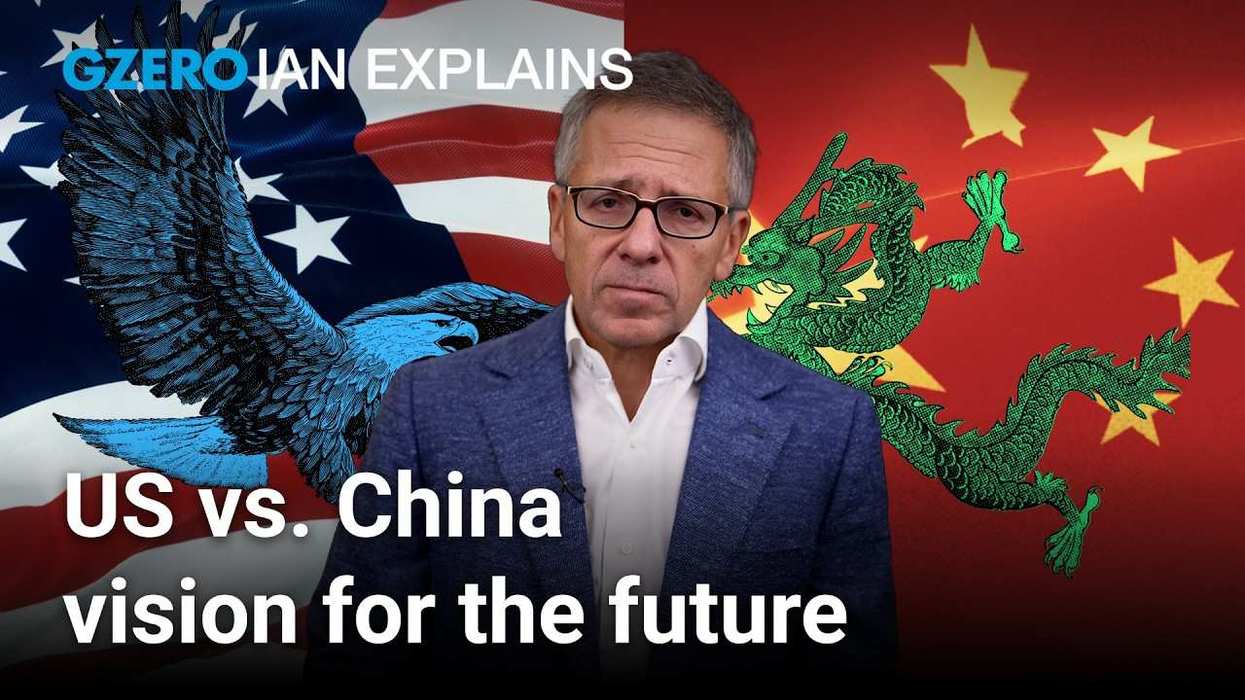
As the United Nations wraps two weeks of a (historic and unprecedented) 75th General Assembly, made almost entirely virtual due to the ongoing global coronavirus pandemic, some clear themes and threads carried throughout, giving us a sense of what the next several years could look like for the organization. GZERO Media covered the world's largest diplomatic gathering extensively, receiving a great deal of access to delegates, world leaders, and policymakers.
In a wide-ranging interview with Ian Bremmer at this critical moment for the world and the UN, Secretary-General António Guterres spoke of the need for "inclusive multilateralism." Guterres defended the growing — and somewhat controversial — notion that multilateral organizations should be actively working with private corporations to solve some of the world's most pressing problems, such as climate change, bridging the digital divide, and cyber security.
"We need to adapt our multilateral institutions to be more inclusive," he said. "This is also an opportunity to change the power relations in relation to the different entities that we have in the international system, and to open up governments to recognize that they do not represent the monopole of political action."
On the macro theme of global coordination, we learned from Christine Lagarde, head of the European Central Bank, about the early success of EU fiscal response — a rare glimmer of hope in a crisis otherwise lacking any true intergovernmental cooperation. Lagarde hopes that the example set by the 27 EU member states in agreeing on a $750 billion stimulus plan will inspire further multilateralism.
"At the global level I would hope that [the] international organizations that we have listened to... will come out of that hopefully stronger than they were when they went into the crisis," she said. "But the jury is out, we will see."
We also caught up with Fabrizio Hochschild, a longtime UN insider who has been directly involved in a year-long survey asking people in 193 countries about what they want from his organization, and what issues will matter most to them in the future. Although he was optimistic about the future of the UN, Hochschild admitted that UNGA 2020 presented a challenge for the "contact sport" of diplomacy.
Normally, he explained, "there are literally thousands of bilateral meetings happening at any one time during the General Assembly. And it's done through a host of chance encounters. It's done over coffees, over drinks, and it's done at dinner parties and lunches. That's not something you can replicate easily virtually."
We also caught up with some delegates and thought leaders who were participating in UNGA from near and far, all of whom offered their take on the current state of global cooperation, and whether or not this moment will bolster support for the UN moving forward.
French Permanent Representative to the UN Nicolas de Rivière discouraged having an overly halcyon view of the earlier years of the organization, telling us that controversy and geopolitical battles have always surrounded the organization. But, he said, "we have no choice" but to continue to find ways to cooperate internationally.
De Rivière also addressed increasing isolation of the US within the Security Council, specifically discussing the widespread opposition to the recent US push to renew UN sanctions against Iran for alleged violations of the 2015 nuclear deal.
UN Ambassador Kimihiro Ishikane of Japan talked about pandemic response, and how it has impacted the broader picture of US-China relations. Regarding a global fissure potentially caused by the world's two biggest economies, Ishikane said: "China is not like the former Soviet Union. Our system is completely intertwined and I don't think we can completely decouple our economy and neither is that desirable."
He also discussed the legacy of Shinzo Abe, Japan's longest-serving prime minister, who stepped down recently due to health complications, and described the road ahead for his country under its new leader, Yoshihide Suga.
Finally, if it weren't for the COVID-19 pandemic, climate action would have likely been the foremost topic of conversation at this year's UN General Assembly. Many delegates we spoke to had an optimistic view that the rebuilding necessary in the wake of the pandemic could lead to a strategy of "building back better" and greener around the world.
Mark Carney, former Governor of the Banks of Canada and England and who is now leading UK Prime Minister Boris Johnson's COP26 effort, explained that large financial and tech companies are increasingly taking such a central role in climate action because the "doing well by doing good" model is pushing firms who have made net zero emissions commitments to top performance in their sectors.
"As companies have plans, it becomes more and more obvious what problems need to be solved, and what technologies need to go from uneconomic to economic," he said. "A problem [turns into] a huge opportunity if the world's doing what everyone's saying they're going to do, which is to go to net zero — and that is a powerful dynamic."
Colombian President Iván Duque offered his insights on the current standing of Juan Guaidó, Venezuela's opposition leader and self-declared "interim president." Is he still the best hope for the country and its people?
Guaidó, Duque explained, is an expression of "pure democracy," but we should not expect him to defeat the Maduro regime on his own. Also, the Chavistas will need to be part of a transitional government that will take over when the current president leaves office.
You can see all of our coverage here.