You may know Ukraine from such ongoing dramas, or tragicomedies, as The Impeachment of Donald Trump, but the war-wracked country has much bigger issues to address closer to home.
For five years, the Ukrainian government has been at war with Russian-backed separatists who control territory in the eastern part of the country. The conflict, which erupted after protests ousted Ukraine's pro-Russian president in 2014, has left 13,000 dead and a million people displaced. Ukraine's Black Sea peninsula of Crimea, which Russia illegally annexed at the start of hostilities, is still under Kremlin control.
But a fresh path to peace has just opened up.
Yesterday Ukraine agreed to a plan for elections in the separatist-controlled provinces, as a step towards reviving peace talks.
The basic details of the so-called "Steinmeier formula," named for the German foreign minister who first sketched it out, are as follows:
1) Elections will be held under Ukrainian law and monitored by the Organization for Security and Cooperation in Europe (OSCE)
2) If the OSCE endorses the vote as free and fair, then the areas will officially be reincorporated into Ukraine, with a "special status" that gives them a measure of autonomy
3) Separatists will disarm and Russia will give full control over the Ukraine/Russia border back to Kyiv
So far so good, right? Sort of. There are two big problems here:
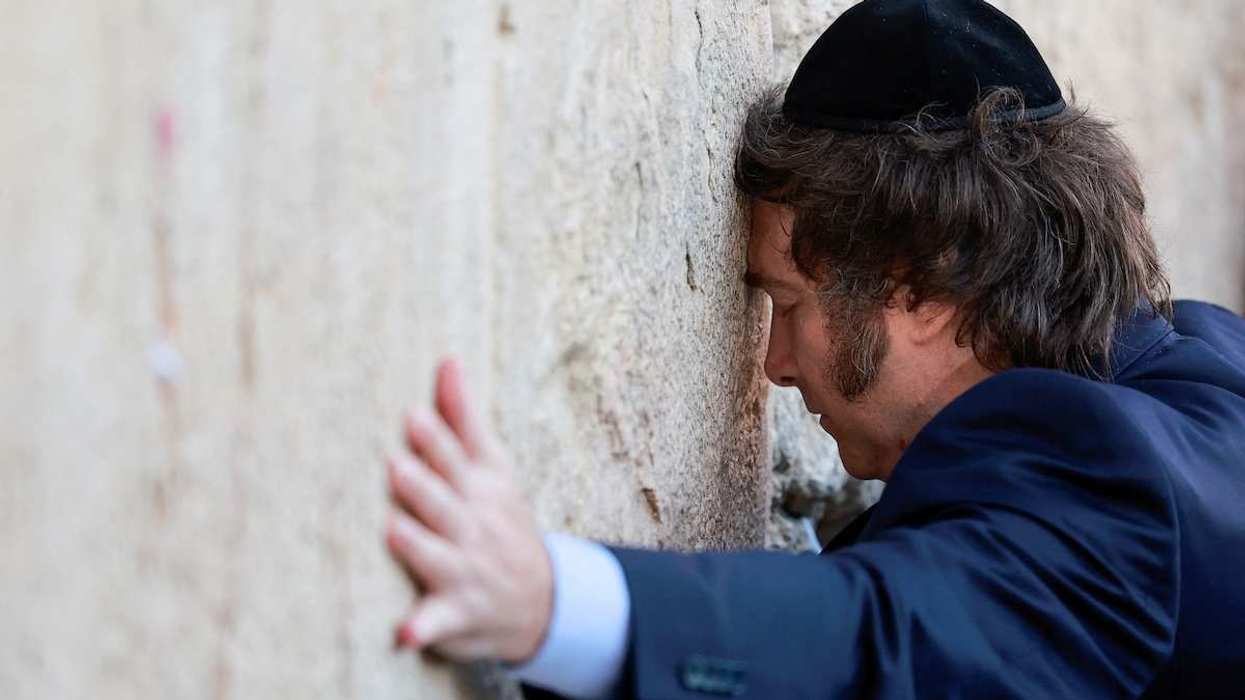
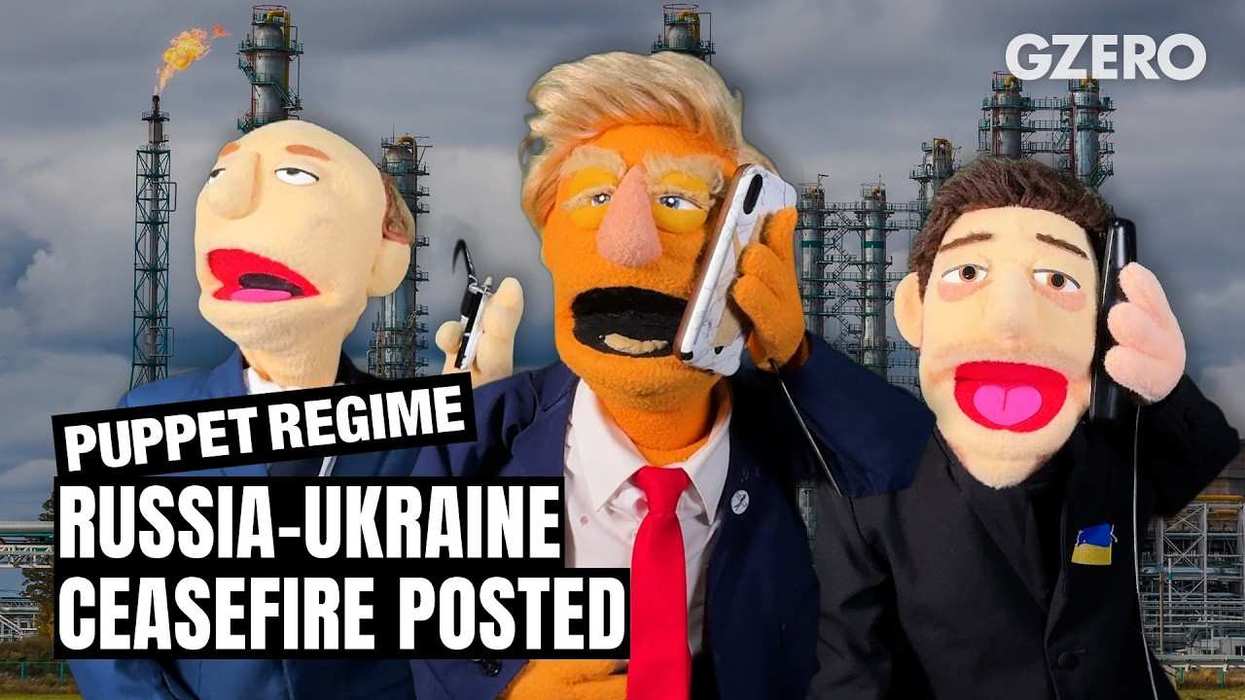
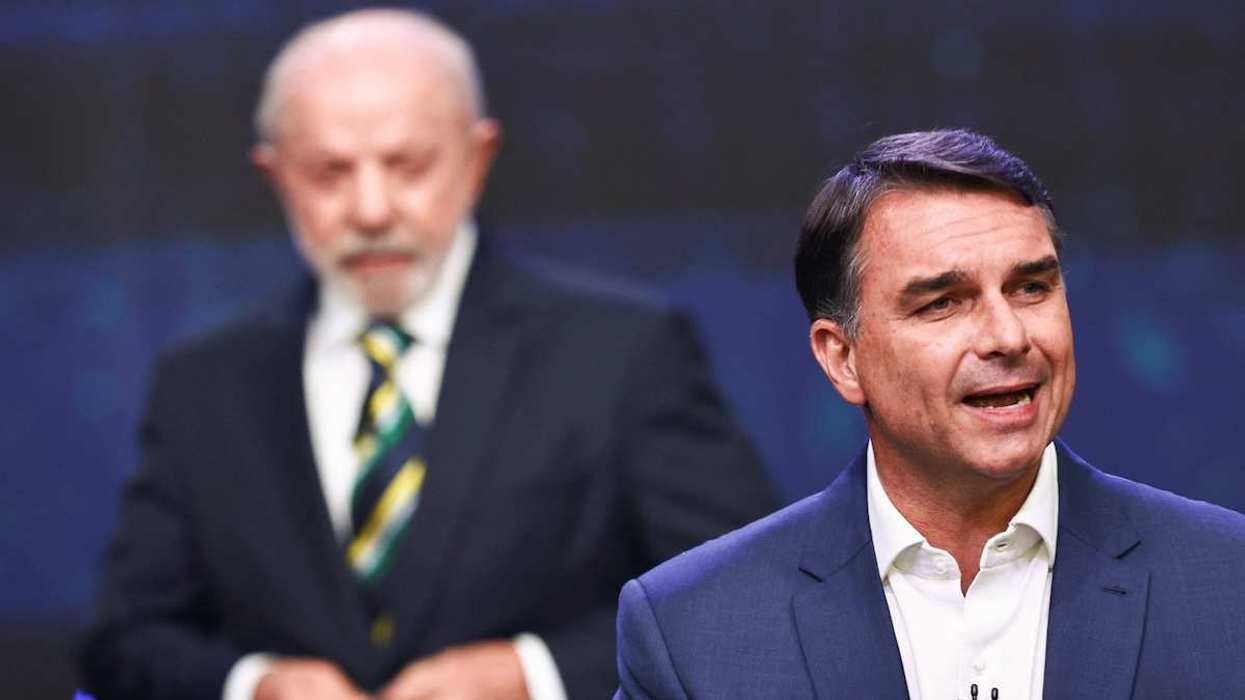
First, the border. Ukrainian president Volodymyr Zelensky (pictured above) has suggested Ukraine wants control over the border before the vote takes place. "We won't hold elections under the barrel of a gun," he told reporters yesterday. The Kremlin certainly won't like that idea – holding the frontier has made it easy for Moscow to send guns and butter to its proxies.
Second, what's "special status"? Russia has long wanted Ukraine to make constitutional amendments that would give the separatist-controlled areas influence over Kyiv's broader foreign policy: for example, the ability to stop Ukraine from joining the EU or NATO. But the Steinmeier formula doesn't go nearly that far, and the Ukrainians say that they won't write any kind of special status into the constitution anyway. Will Moscow and Kyiv be able to find common ground on this critical issue?
Overall, the deal would be good for Ukraine in the sense that it regains lost territory and could end a war in which Kyiv is hopelessly overmatched. That was one of Zelensky's main campaign promises.
But it also means legitimizing the separatist proxies of a hostile foreign government, while putting Kyiv on the hook for the economic and social stability of provinces that it will control only weakly. And nationalists in Ukraine are already upset about what they see as a capitulation.
From Russia's perspective, it's a decent deal, too. Sure, the Kremlin would have to give up on a low-level conflict that keeps Ukraine from moving any further into the Western orbit. But normalizing and legitimizing its separatist proxies within Ukraine is a huge win for the Kremlin, which would retain significant control over the situation there anyway. The prospect of sanctions relief would be a bonus too, though none of this peace agreement would affect Crimea, where Russia's annexation prompted the most serious US and EU restrictions on Russia. To be clear: Russia isn't going to leave Crimea any time soon.
Whether Kyiv and Moscow and the separatists can actually agree to a framework that addresses these questions is unclear. But with Ukraine set to meet soon with Russia, France, and Germany to hash out details, it looks as though a path to peace has opened.
How far it will lead remains to be seen.