Strait of Hormuz feud escalates, jeopardizing further US-Iran talks
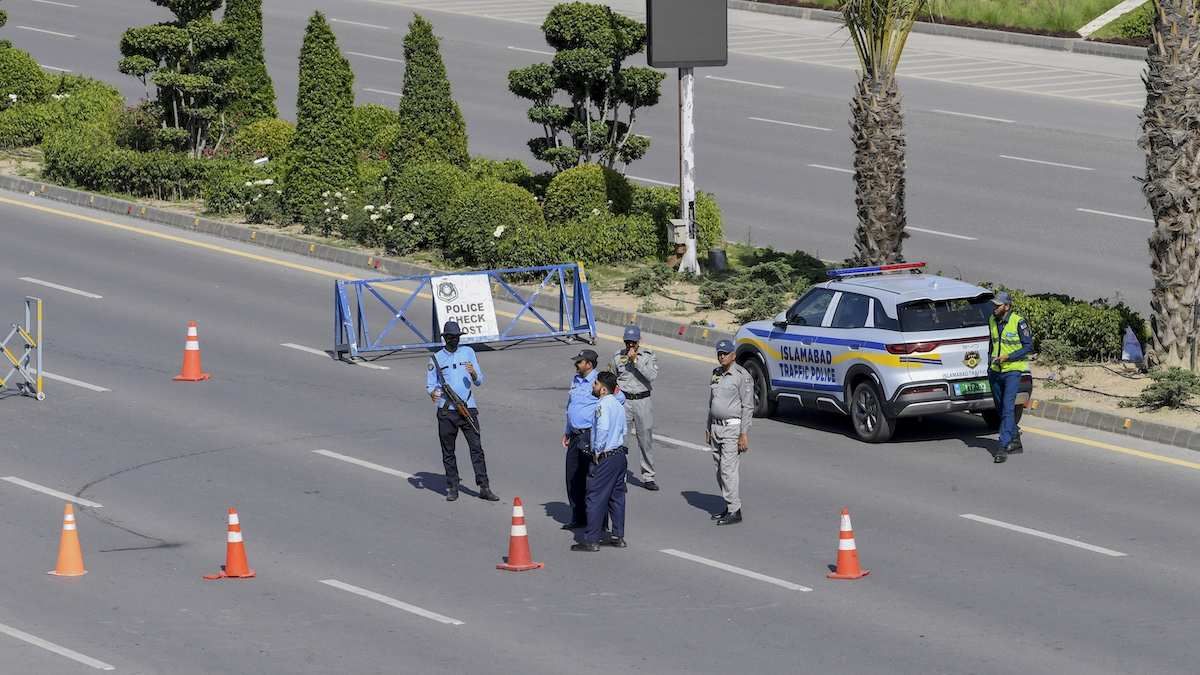
The US Navy this weekend seized an Iranian-flagged cargo ship seeking to break Washington’s blockade of the Strait of Hormuz. Iran vowed to retaliate, and sent mixed signals on whether it would join further talks with the US in Pakistan this week. Hormuz traffic is now, once again, at a halt. The waterway whiplash is real: the Islamic Republic said on Friday the strait was open after Israel and Lebanon announced a ceasefire, but then reversed a day later over the US’s refusal to end its own blockade. Meanwhile, the Lebanon ceasefire is already in question after Israel said it struck a loaded rocket launcher in Lebanon overnight. Will the US and Iran meet again in Islamabad this week? With their two-week ceasefire set to end Wednesday, the clock is ticking…
Saudi Arabia puts Pakistan-Sudan weapons deal on hold
Just a few days after Sudan’s horrific civil war entered its fourth year, Saudi Arabia suddenly scrapped financing for a $1.5 billion Pakistani weapons shipment to the Sudanese army, per Reuters. It’s not immediately clear why Riyadh nixed the deal: the conflict in Sudan has become something of a proxy battle between Saudi Arabia, which backs the Sudanese army, and the United Arab Emirates, which supports the rebel Rapid Support Forces (RSF). What’s more, Saudi Arabia and Pakistan have significantly deepened their own defense collaboration in recent months. The report hints that Riyadh may be under Western pressure to stay away from proxy conflicts in Africa, but we await more details from the various players. In the meantime, there is no reporting to suggest that the UAE is backing off on its own involvement in the conflict, which has generated the world’s worst humanitarian crisis and allegations of genocide and war crimes.
Where is the Venezuelan opposition?
This weekend it was 4,300 miles away in Spain, where opposition leader
María Corina Machado led a
rally of thousands of Venezuelan exiles, and insisted that she would be back home by the end of the year. Machado’s movement is believed to have won the 2024 presidential election, but then-strongman
Nicolás Maduro declared victory anyway. Since the US abducted Maduro back in January, Washington has empowered his deputy
Delcy Rodríguez to run the country as a kind of modern-day viceroy,
opening Venezuela’s energy resources to US investment and
removing Maduro loyalists. That suggests neither she, nor her American bosses, is currently interested in heeding Machado’s call for fresh elections, something she reiterated while in Spain.