GZERO Live
Kevin Rudd: COVID has made Xi Jinping zero-risk
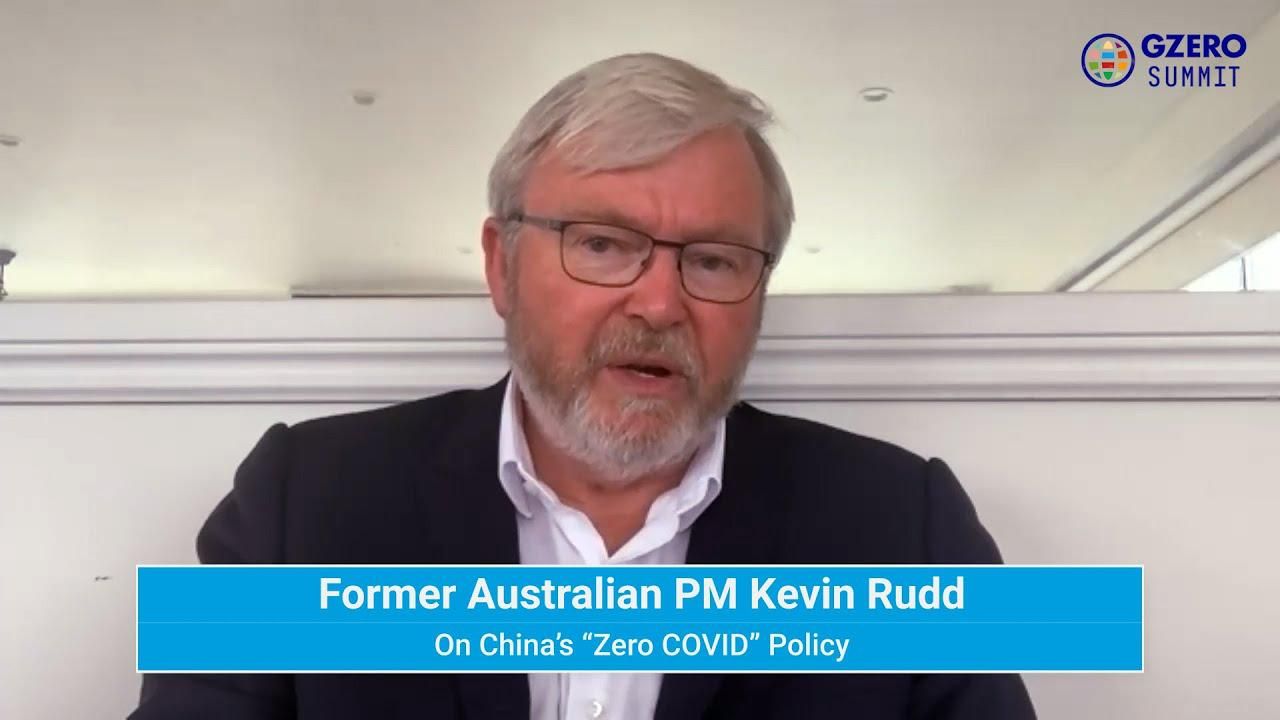
Kevin Rudd: COVID Has Made Xi Jinping Zero-Risk | GZERO Summit | GZERO Media
Australia's former PM and current CEO of the Asia Society knows China quite well. He's fluent in Mandarin, and — for a foreigner — has a pretty good idea of what's cooking in Chinese politics.
That's why Kevin Rudd believes China's zero-COVID strategy will (probably) remain in place all of next year.
The Chinese, he tells Ian Bremmer, "had the internal shock of their life" during the early stages of the outbreak. And rumblings over Xi Jinping's initial response have created a "deep pathology" in his mind about taking any risks at all with the virus.
Rudd sees no clear COVID exit strategy for China, or Xi. That'll have serious implications for global trade.
Also, China now wants to join the revamped TPP regional trade deal — without changing its terms. That, he explains, is "basically pulling the rug from under the normal levels of opposition" from countries like Australia or Japan.
Finally, Rudd details why Beijing is more worried than it wants to admit about diplomatic pushback against China’s territorial overreach in Asia with things like the Quad.
Watch his full interview and insights from other participants on Day 3 of our parent company Eurasia Group's 2021 GZERO Summit.
In this Quick Take, Ian Bremmer breaks down Brazilian President Luiz Inácio Lula da Silva’s historic re-election victory and what it means for the country’s political future and democracy.
Could replacing Benjamin Netanyahu change Israel’s direction? Brett McGurk explains why a government led by Gadi Eisenkot would likely maintain Israel’s security doctrine while taking a different approach to the West Bank.
The competition to master this technology shapes everything from high-level tensions between the US and China to the local politics of where to build data centers.