Putin leaves India with not much to show for it
Despite the lavish ceremony, Russian President Vladimir Putin and Indian Prime Minister Narendra Modi’s meeting produced few concrete outcomes. India and Russia highlighted their “special” partnership and signed smaller agreements on minerals, pharmaceuticals, shipping, and trade frameworks. But on the most sensitive issues – oil and defense – no breakthroughs emerged. India, under heavy US pressure to curb Russian oil purchases, offered no public commitments, leaving future energy ties unclear. Speculation about major weapons deals also went unfulfilled as Delhi balances Moscow with Washington. Meanwhile, a US delegation is expected to make its own trip to India to discuss trade next week.
Kyrgyzstan tumbles away from democracy
Kyrgyzstan, once Central Asia’s lone (if imperfect) democracy, is rapidly sliding into authoritarianism under President Sadyr Japarov. His allies dominated the latest parliamentary election after he rewrote rules to weaken political parties and suppress opposition, changes that limited turnout to just 36.9%. Japarov, who rose to power after being freed from prison during the 2020 unrest, has banned the media, jailed rivals, and scrapped presidential term limits. He has pushed a Russian-style “foreign agents” law, deepening alignment with Moscow while helping Russia evade sanctions. Despite shrinking freedoms, strong economic growth and fatigue after multiple revolutions keep him popular — leaving Kyrgyzstan’s democratic future increasingly uncertain.
UAE-backed separatist group breaks open Yemeni civil war
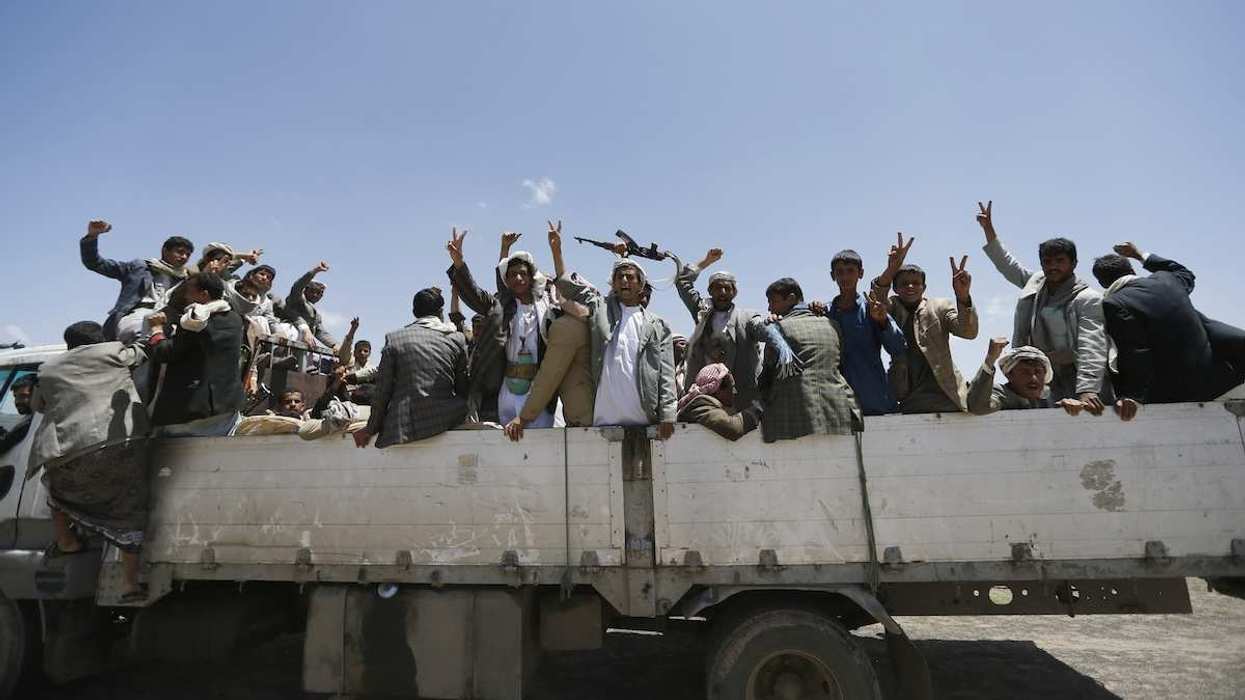
Yemen’s decade-long civil war had reached something of a stalemate, until the UAE-backed Southern Transitional Council (STC) seized control of large parts of the oil-rich Hadramout region from the Yemeni government this week. The STC is rival to both the Saudi-backed government forces and the Iran-backed Houthi rebels, meaning the war-torn Arabian state is now the site of a proxy war between a trio of Middle East powers. The STC now plans to move east into neighboring Al-Mahra. Its main plan, though, may be broader: they reportedly wish to stop Saudi Arabia from reaching a settlement with the Houthis.