September 08, 2025
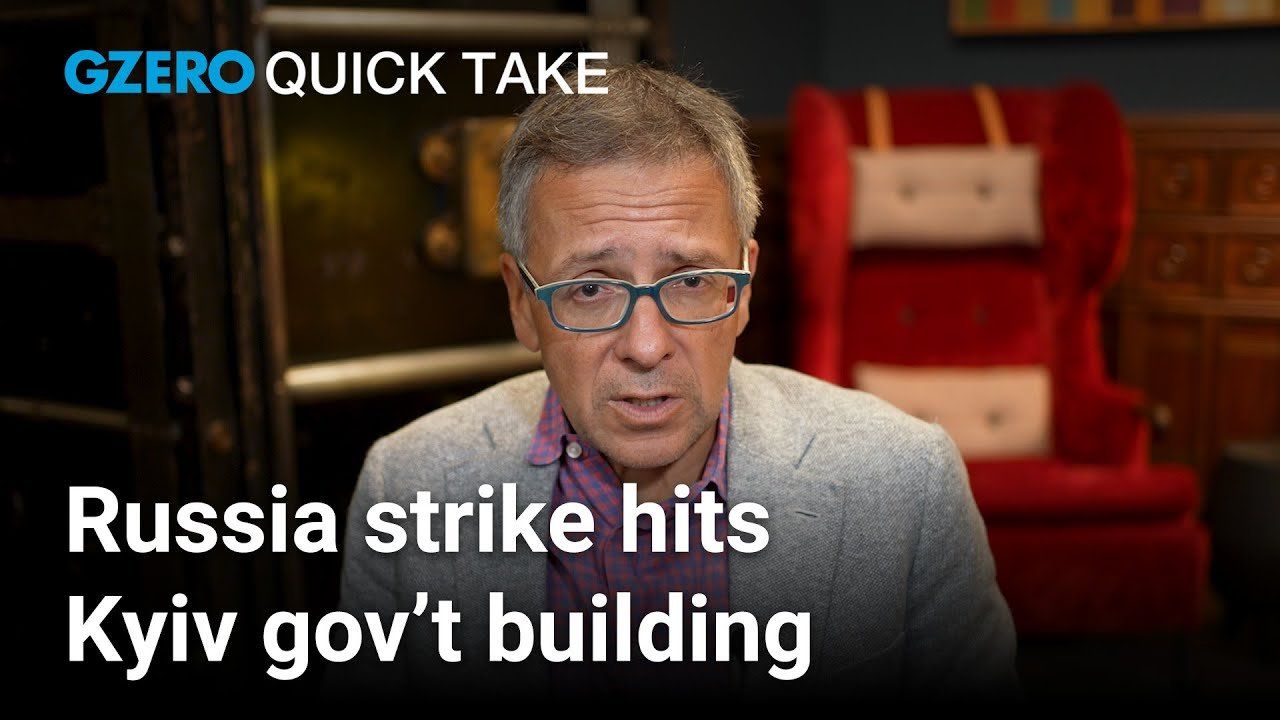
In this Quick Take, Ian Bremmer analyzes how the Russia-Ukraine war grinds on with no sign of winding down any time soon.
Moscow has intensified strikes, hitting Ukraine’s most important government buildings. Ukraine, meanwhile, is expanding missile capabilities alongside growth in drone production.
Still, the front lines remain largely static.“Over time, the ability of the Ukrainians to continue to muster the fighting force…is deteriorating,” Ian warns. He add that it leaves Putin convinced “the longer they engage in this war, the less capable the Ukrainians will be… and that means that Russia's going to be in a better position to demand outcomes in terms that they want.”
The risk extends beyond Ukraine’s borders. With Trump’s Russia policy faltering and China offering Putin diplomatic support, Ian cautions the conflict is “increasingly not just a proxy war, but a direct hybrid war,” raising the danger of escalation in unpredictable ways.
More For You
Medical workers treat injured people at Ameth Bek hospital after a drone strike on a market in the disputed Abyei region along the border between South Sudan and Sudan, October 19, 2026.
REUTERS/Medecins Sans Frontieres
South Sudan is accusing neighboring Sudan of launching a drone strike that killed at least 73 people at a market in Abyei, a disputed, oil-rich region of roughly 4,000 square miles claimed by both countries.
Most Popular
- YouTube
In this Quick Take, Ian Bremmer says President Donald Trump's approach to the war in Ukraine is putting more pressure on President Volodymyr Zelensky and raising concerns among European allies about the future of NATO.
Protesters set up barricades and burn materials near Place de la Republique in Paris, France, on October 18, 2026, the day following a large demonstration.
Jerome Gilles via Reuters Connect
Ongoing student protests in France descended into looting and riots over the weekend as more than half a million people took to the streets across the country.
After his father was killed in a plane crash in 2023, Pavel was tapped to lead Wagner.
© 2025 GZERO Media. All Rights Reserved | A Eurasia Group media company.