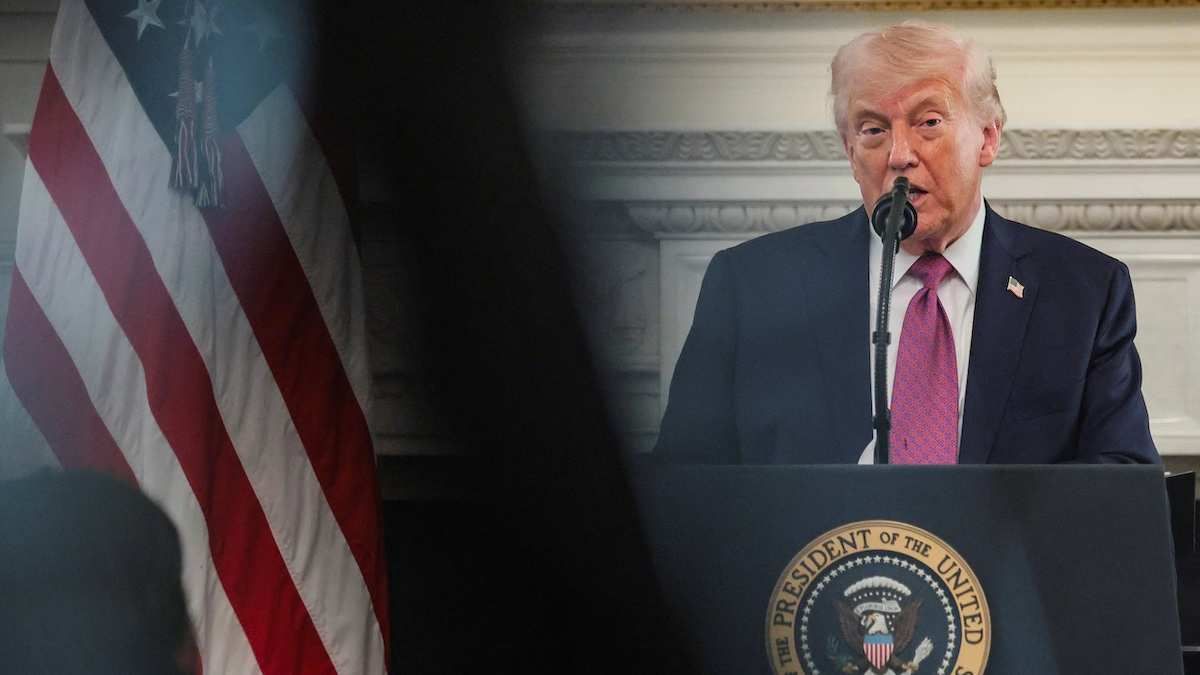
US extends ceasefire, but also blockade
President Donald Trump announced on social media on Tuesday that he was extending the ceasefire with Iran until their leaders “can come up with a unified proposal.” He did not provide a deadline, though, and it remains unclear how and when this impasse over ending the war will end. The US leader added that the US blockade of the Strait of Hormuz will continue, which Iran’s foreign minister labeled “an act of war.” Then this morning, an Iranian gunboat attacked a cargo ship in the Strait, according to a UK shipping monitor, as both sides try to assert control over the vital waterway. Two more boats have since been hit, while Iran claims it has seized two. Meanwhile, US Vice President JD Vance indefinitely postponed his trip to Pakistan, where a second round of US-Iran talks were set to take place this week. With Asia facing severe energy shortages – affecting everything from health care to food supplies – and jet fuel supplies dwindling, the urgency to end the war and reopen the Strait will only grow.
What’s in a name? Ukraine thinks there could be something
In its latest bid to appeal to Trump, Ukraine is considering a rather unusual approach: renaming territory after him. Specifically, Ukrainian officials are exploring whether to call an area within the Donbas region that Russia is still fighting for, “Donnyland.” The idea would be to convince the US leader to rebuff Moscow’s territorial claims to this slice of land. This wouldn’t be the first time a country – or business – has suggested using Trump’s name in order to sway his position on the war. Poland tried something similar in 2018 in hopes of establishing a US military base, while Armenia and Azerbaijan named a transport corridor after Trump when signing a peace deal last year. More recently, Syrian billionaires proposed naming a golf course after Trump in a bid for sanctions relief. Life, it would appear, imitates Puppet RegimeTM.
Separately, Ukraine is set to receive €90 billion ($105.6 billion) in loans from the European Union, after Hungary dropped its veto following Viktor Orbán’s election defeat. The first tranche of the loan is expected to arrive in late May or early June.
UAE busted for supporting mercenaries in Sudan?
Take out a global map for this one: a new report says Colombian mercenaries have been fighting in Sudan, alongside rebel forces supported by the UAE. The security analysis firm Conflict Insights Group says records show that UAE companies with ties to the government contracted the Colombian fighters and moved them into Sudan. Once there, the mercenaries participated in the rebel capture of the city of El-Fasher, a brutal fight marked by mass atrocities. The UAE denies allegations that it supports the rebels, known as the RSF, in their fight against the Sudanese army, which is backed by Saudi Arabia. But the report’s authors say it provides the first hard evidence of UAE involvement. Colombia, for its part, is considered the world’s largest source of mercenaries — as the US-trained Colombian army’s decades-long fight against Marxist guerrillas has left thousands of experienced soldiers willing to go anywhere if the price is right.