Three weeks into the US-Israeli war against Iran, the list of losers is unusually long. Iran is getting devastated. The United States is trapped in an asymmetric conflict it can't exit. Gulf states are absorbing infrastructure damage they never signed up for. The developing world is facing food and energy crises. I could keep going.
Washington and Tehran may yet declare victory, but the biggest geopolitical winner is sitting in Moscow, and he didn’t have to do anything but watch.
President Vladimir Putin couldn’t have timed this better. Russia's budget was in crisis heading into March. Oil and gas revenues had collapsed by roughly 50% year-on-year by February due to US sanctions on Rosneft and Lukoil, declining purchases from India and China, and depressed energy prices. The Kremlin blew through nearly its entire full-year budget deficit target in just the first two months of 2026 and was preparing 10% cuts to non-essential spending – everything but military and social outlays. Sustaining the Ukraine war meant making tough choices.
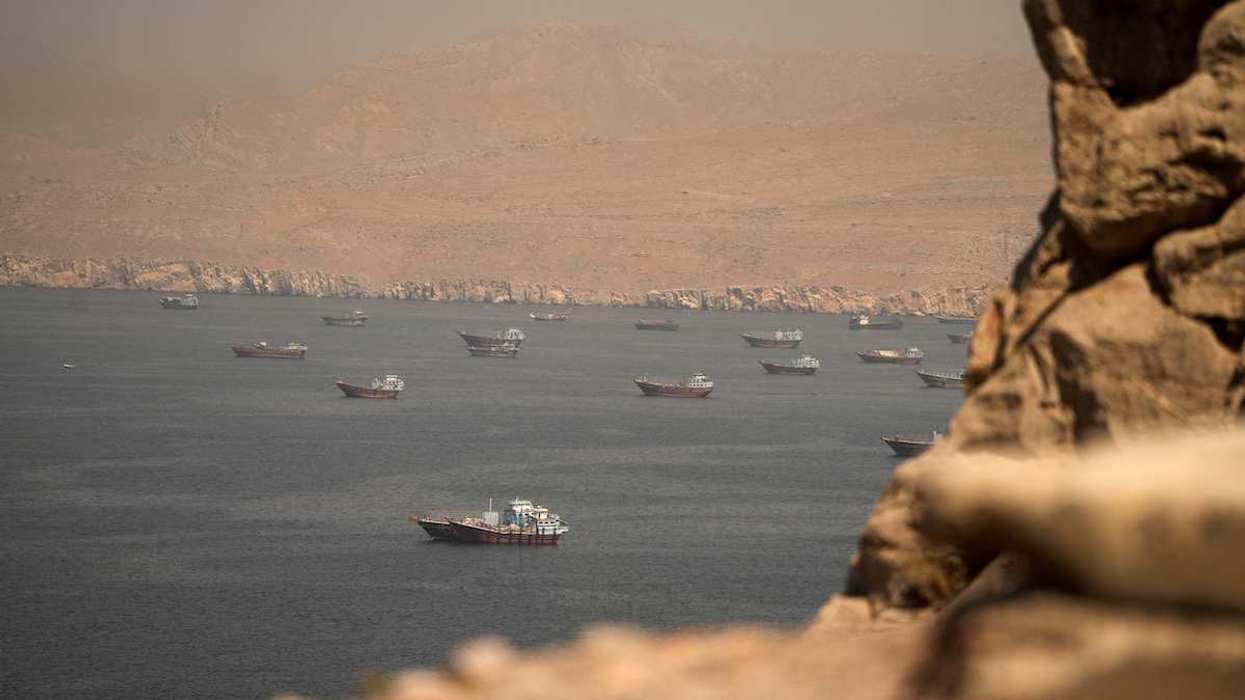
Then the United States and Israel attacked Iran, Iran closed the Strait of Hormuz, and oil prices spiked. Moscow’s fiscal picture was transformed overnight.
Brent crude, sitting at a five-year low of $59 a barrel in December, is now hovering around $100. Russian Urals crude, long sold at a steep discount thanks to Western sanctions, has narrowed the gap to the high $80s-low $90s – buyers need barrels and Russia has them. Every $10 per barrel increase sustained over a month adds $1.6 billion to Kremlin coffers. If prices rise $20 per barrel for the year, Russia gains 1.5% of GDP – enough so Putin no longer has to choose between guns and butter.
As if that weren’t enough, the Trump administration – desperate to relieve global supply pressure – has eased sanctions on Russian crude. Washington removed restrictions on Indian purchases and issued a sanctions waiver for Russian barrels already at sea. Temporary, at least for now, but the signal is unmistakable: the US needs Russian oil flowing to stabilize markets while Hormuz stays closed. The sanctions relief doesn’t immediately translate into massive revenue gains – much of the exempted oil had already been sold and taxed under Russia's extraction-based system. But it eliminates downside risk and reinforces Putin’s core assumption: Russia can outlast Western pressure.
Before the Iran war, there was a plausible argument that mounting economic strain would eventually increase pressure on Moscow toward a deal on Ukraine. That argument is now weaker. Higher oil revenue removes the Kremlin's near-term sustainability concerns, and the softening sanctions regime signals that Western resolve is as brittle as Putin suspected. The EU's 20th sanctions package has stalled, and this time it’s not just Hungary's Viktor Orban – facing a tough reelection in April – blocking it. Belgium's Prime Minister Bart De Wever this week called publicly for normalizing relations with Russia to access cheap energy, then claimed that privately “European leaders tell me I am right, but no one dares say it out loud.” Countries that spent years weaning themselves off Russian energy after 2022 are now asking whether they can afford to finish the job.
Moscow’s budget planners are still proceeding cautiously, maintaining spending cuts and reserve fund policies in case prices fall. But the internal discussion has shifted. If oil prices stay elevated for another few months, Russia’s budget stabilizes and those austerity plans get shelved.
To be clear, the fiscal windfall doesn't itself resolve Russia's binding military constraints. Technological capacity and skilled labor, not money, limit the breakthrough potential of Russian offensive operations. But additional revenue does buy Russia time to prosecute the Ukraine war without economic pressure forcing compromise – a longer runway to try to outlast Ukraine and the West. A ceasefire, already unlikely, has become less likely still.
The battlefield picture reinforces this. Ukraine faces a growing shortfall in air-defense systems as Patriot missile interceptors, already in short supply, are being diverted to the Persian Gulf to defend American bases and Gulf installations from Iranian strikes. Other Western air defense systems purchased by Europeans are at risk of similar diversion if needed by NATO allies in the Iran theater. Meanwhile, Russia's offensive capability is unaffected – its Shahed-136 drones are manufactured domestically in Tatarstan as Geran-2s, no longer dependent on Iranian supply. Russian strikes on Ukrainian cities, critical infrastructure, and defense production facilities will encounter degraded defenses, cause more damage, and kill more civilians as a result.
This shift is happening just as Russia's spring offensive is expected to pick up. Ukrainian forces are defending capably and even mounting localized counterattacks – they took back a small chunk of territory in Donetsk last month after Russia was cut off from Starlink along parts of the front. But holding the line will get harder as air defense gaps widen.
Diplomatically, the pressure that might have forced Russian concessions has evaporated. Heading into early March, there was still momentum toward negotiations. The hope was that economic pressure plus military stalemate plus American insistence would create conditions for Putin to moderate his maximalist demands and accept some version of a ceasefire. That’s gone. Western bandwidth is entirely consumed by Iran. Planned talks in Turkey have been suspended. Trump eased sanctions on Russia instead of tightening them. He told President Volodymyr Zelensky that Ukraine now had "even fewer cards" than before – even as Ukrainian air defense experts were in the Gulf helping defend against Iranian drones. Putin now has zero reasons to soften his position.
Even if the Iran war ends in the coming weeks, the damage to Ukraine’s position is lasting. Russia’s budget is stabilized for the year. Ukrainian air defenses have been depleted in ways that take months to rebuild, assuming replacement systems even become available. Western attention and pressure have shifted away from Ukraine. The window for forcing Russian compromises, narrow even before Iran, has closed.
One could argue that Iran’s devastation makes Russia look weak. Putin has watched the United States dismantle his alliance network one partner at a time, with Khamenei now joining Assad, Maduro, and a teetering Cuba. Among Russia's domestic hardliners, staying on the sidelines while another ally falls to US military action could be seen as a humiliation and create more pressure to deliver a decisive outcome in Ukraine.
But Putin didn’t need to intervene in Iran. As I’ve written before, Russia and Iran were always partners of convenience, not genuine allies; their relationship is transactional, built on mutual sanctions exposure and shared antagonism toward the West, not strategic trust or deep dependence. Putin did get away with providing the Iranians with tactical guidance and targeting data on American military assets in the region, a show of solidarity with operational value and no blowback. But more overt support would risk direct confrontation with the United States, jeopardize relationships with Gulf states that are important for sustaining Russia’s wartime economy, and divert military resources from Ukraine.
Staying out is the smarter play – which makes the two Russian oil tankers now heading to Cuba look like an unforced error. The shipments, Cuba's first energy deliveries in three months, are arriving just as Trump threatens a “friendly takeover” of the island and risk undoing the sanctions relief Moscow just gained. Russia stands to get all the upside with none of the downside: economic reprieve, military advantage in Ukraine, diplomatic space to hold out for maximal demands, and the geopolitical benefit of watching the United States exhaust itself prosecuting a failing war while eroding its own credibility and deterrence.
The strategic implications extend beyond Ukraine. The Iran war is reinforcing Putin’s worldview about US unilateralism and legitimizing his disdain for norms against territorial conquest and political interference. That’ll embolden more aggressive Russian actions in Moscow’s so-called “near abroad.” The Baltics, the Caucasus, and Moldova all face heightened vulnerabilities as American unreliability and European paralysis undermine the credibility of Western security commitments.
There's a broader takeaway here that Moscow won't have missed. A much weaker state is imposing high costs on the United States through asymmetric means, forcing Washington to ease sanctions on a strategic rival, and demonstrating that America’s overwhelming military dominance is constrained by its low tolerance for pain. Western power, it turns out, is only as credible as the political will to sustain it. That's a lesson with implications well beyond Iran and Ukraine.