Skip to content
Search

Latest Stories

News

Germany’s economic woes could further fuel the far right

German Chancellor Scholz holds a press conference in Berlin

German Chancellor Scholz holds a press conference in Berlin

Reuters
Make us preferred on Google

Germany is known for being Europe’s economic powerhouse and, as such, is hugely influential in shaping the EU’s finance policies, which makes its economic woes of late worrying.

Deutschland has been in a technical recession since the beginning of 2023. It currently has the second-lowest growth rate among EU countries, and with the decline being driven by lackluster domestic demand combined with depressed demand for exports in key markets like China, that doesn’t look set to change anytime soon. The once-strong manufacturing sector is being crippled by high energy prices together with high labor costs, which is pushing companies to relocate overseas in droves.


After two consecutive quarters of decline, Eurasia Group analyst Jan Techau, the former head of speechwriting in Defense Minister Boris Pistorius’ office, worries that the downswing could be structural rather than just cyclical. “Germany has missed the boat on future technologies, such as AI and genetic engineering. The aging society suffers from bad demographics and a lack of skilled labor … it is clear that this country, after almost two decades of carefree living, has big economic reform, if not upheaval, in front of it.”

Techau also expects fierce budget battles and belt-tightening, meaning that there will be less appetite for ambitious EU projects, whether that be Ukrainian reconstruction or climate policy. This doesn’t bode well for the rest of the EU, particularly the smaller countries in Central and Eastern Europe that depend on Germany to fuel their own economies.

And politically? In a climate where the far-right Alternative for Deutschland Party is already polling at 19% nationally, there are concerns about what could happen in the next general election if the German economy hasn’t turned around by 2025.

“If the economic downswing leads to job losses and income cuts, expect both the center-right and far-right parties to gain support. Governing will soon be harder for Chancellor Olaf Scholz,” says Techau.

More For You

​US President Donald Trump arrives at Beijing Capital International Airport in Beijing, China, on May 13, 2026.

US President Donald Trump participates in an arrival ceremony at Beijing Capital International Airport during his visit to the country, in Beijing, China, on May 13, 2026.

REUTERS/Evan Vucci
President Donald Trump stepped off Air Force One after landing in Beijing today, and the Chinese rolled out the red carpet: military honor guard, three hundred students waving American and Chinese flags, state banquet on the schedule. Trump, who flew in with a delegation of top cabinet officials and some of the biggest names in American business, [...]
US President Trump arrives at Beijing Capital International Airport

US President Donald Trump arrives aboard Air Force One at Beijing Capital International Airport during his visit to the country, in Beijing, China, May 13, 2026.

REUTERS/Evan Vucci
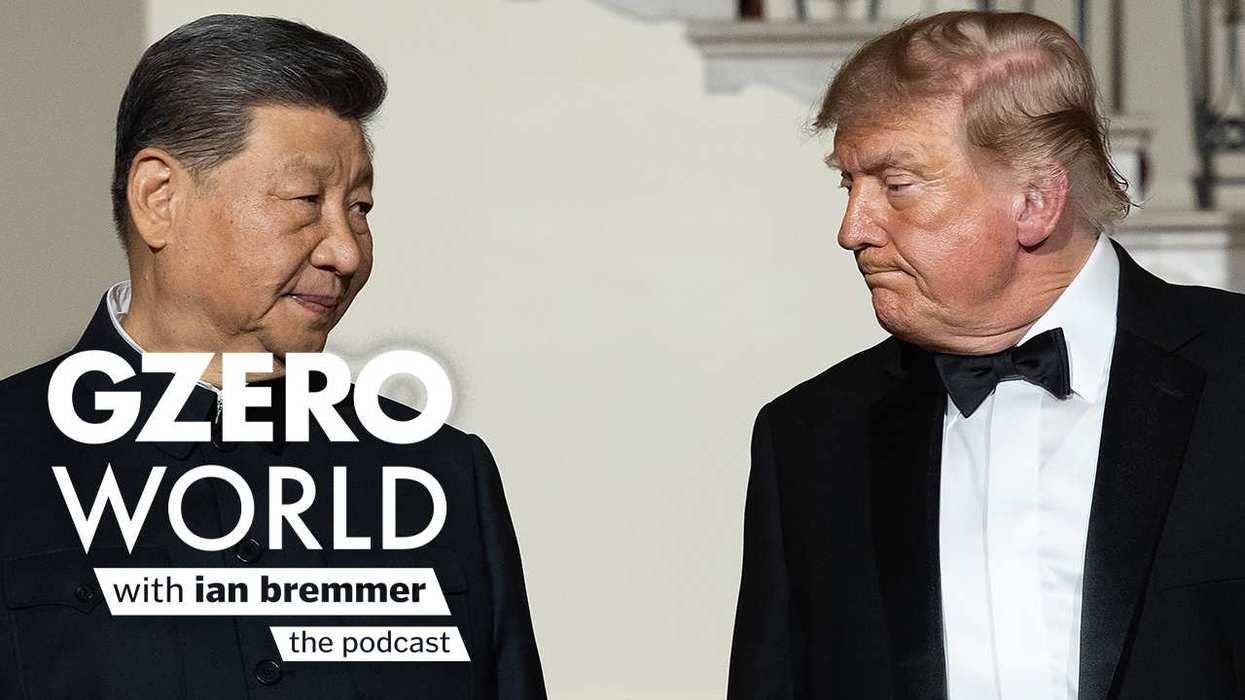
Trump touches down in Beijing ahead of Xi meetingWhen US President Donald Trump and Chinese President Xi Jinping last met in October, the main topics – as they were in prior meetings – were trade, trade, and trade. When the two leaders meet again tomorrow, it won’t be the only issue this time, as Taiwan and the Iran war are also set to form part [...]
Hard number: Some African states turn to AI surveillance
Zac Weisz
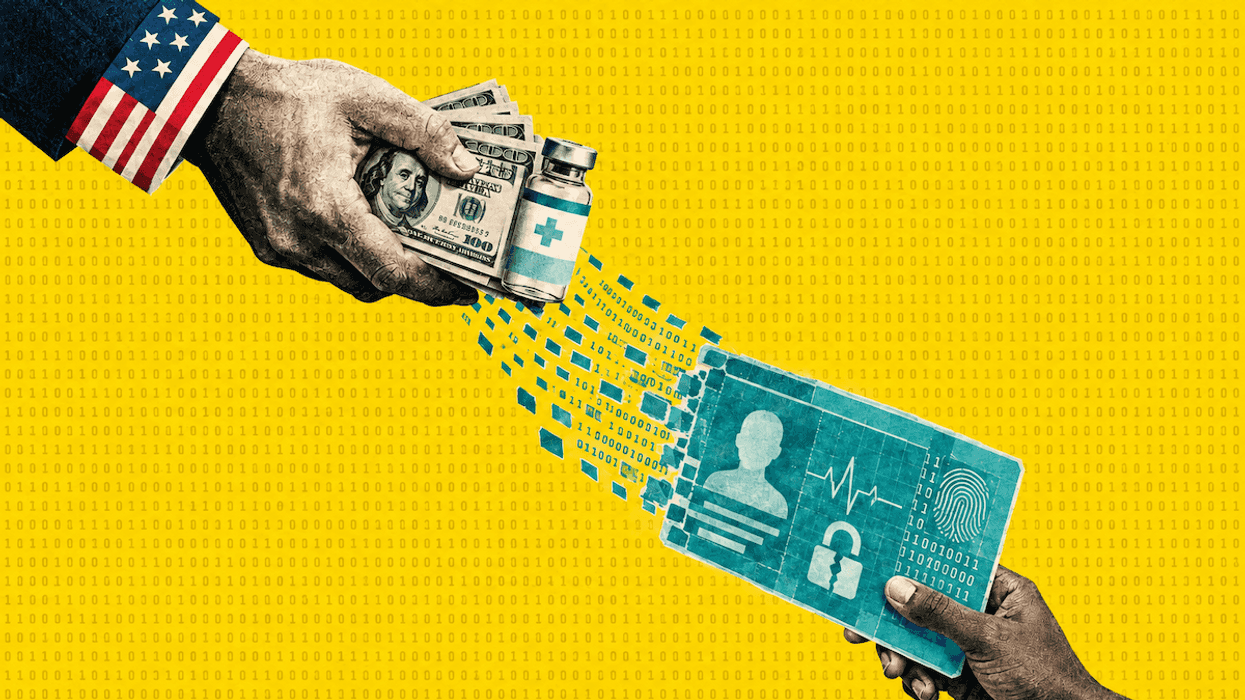
While China has long been a leader in infrastructure investment across the African continent, it’s found a new way to continue to expand its influence – AI-powered surveillance technology. According to a recent study, many of these new systems have even been funded by Chinese banks. Nigeria boasts the continent's largest network of smart CCTV [...]
Argentina's President Javier Milei gestures in response to comments from deputies with Secretary of the Presidency Karina Milei, Minister of Human Capital Sandra Petovello, and Minister of Economy Luis Caputo.

The President of Argentina, Javier Milei (bottom left), gestures in response to comments from deputies, alongside Secretary of the Presidency Karina Milei (bottom right), Minister of Human Capital Sandra Petovello (top left), and Minister of Economy Luis Caputo (top right), during the Chief of Cabinet's management report session in Congress. (in Buenos Aires, Argentina on April 29, 2026).

Silvana Safenreiter/NurPhoto
All across Latin America, right-wing leaders have been consolidating their power.In Argentina, Javier Milei’s La Libertad Avanza had a superb midterm election night last October, allowing the president to pass major labor reforms in March. Ecuador’s Daniel Noboa eased to reelection last year by a handsome margin. El Salvador’s Nayib Bukele no [...]