Skip to content
Search

Latest Stories

GZERO AI

What DeepSeek means for the US-China AI war

​This illustration photo shows the DeepSeek AI application logo on a black background displayed on a cell phone with a kaleidoscope-effect China flag in the background.

This illustration photo shows the DeepSeek AI application logo on a black background displayed on a cell phone with a kaleidoscope-effect China flag in the background.

Photo Illustration by Samuel Boivin/NurPhoto via Reuters

A Chinese startup might have achieved what many thought was impossible: matching America’s best artificial intelligence systems at a fraction of the cost.

DeepSeek's latest AI model, DeepSeek-R1, was released earlier this month. The open-source model performs as well as top models from OpenAI and Google while using just a fraction of the computing power and cost to develop; it’s also a fraction of the cost to use.


DeepSeek claims that it only needed $6 million in computing power to develop the model, which the New York Times notes is 10 times less than what Meta spent on its model. The R1 model received the fourth-highest score on Chatbot Arena, which crowd-sources evaluations to rank large language models by capability, only behind two of Google’s Gemini models and ChatGPT-4o and ahead of Anthropic’s Claude 3.5 Sonnet.

If you take DeepSeek at its word, then China has managed to put a major player in AI on the map without access to top chips from US companies like Nvidia and AMD — at least those released in the past two years. Joe Biden’s administration placed strict export controls on these chips, so if the company has had access it may not be forthright about that.

For now, the US markets are indeed taking DeepSeek at its word. Nvidia stock fell nearly 17% on Monday, erasing a record sum from its market capitalization — $589 billion in a single day. The Nasdaq stock exchange ended the day down 3%, as a result.

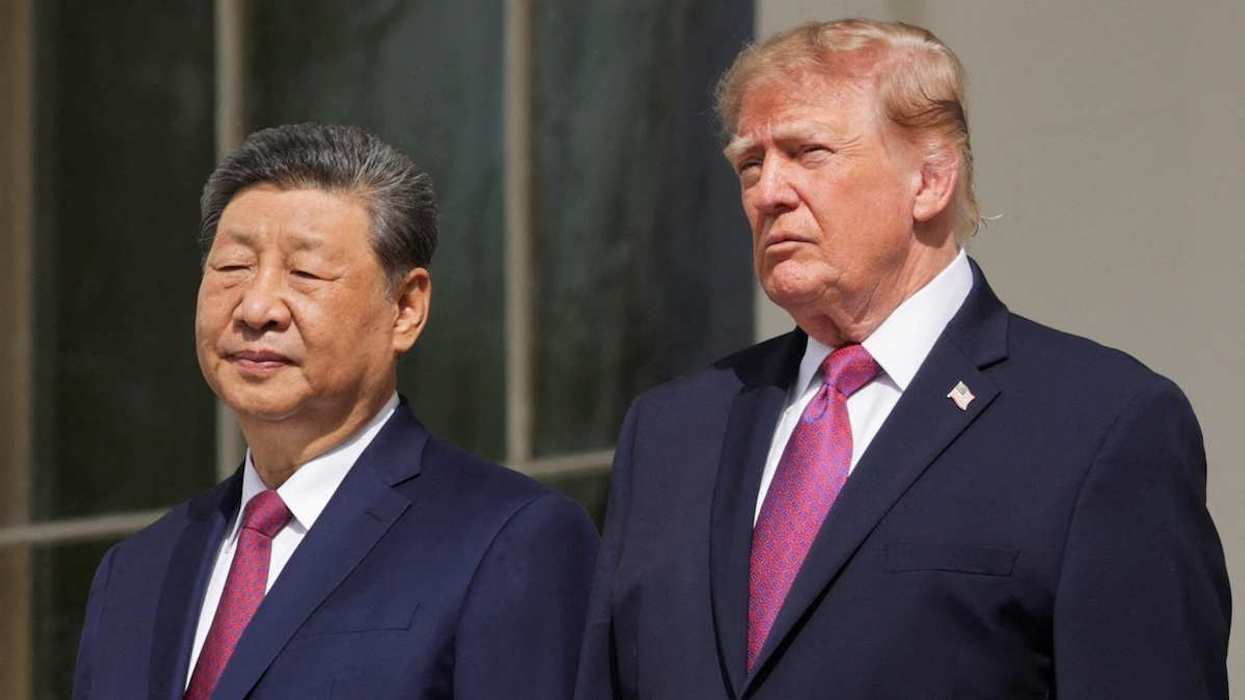
The revelation about DeepSeek has come as Donald Trump tries to spur AI infrastructure in the United States, heralding the $500 billion Stargate project. But China’s new open-source model might have just changed the landscape when many thought the United States was running away with the race.

In a speech Monday evening, Trump called news of the DeepSeek model a “positive” due to its cheap cost but said American industry needs to compete. “The release of DeepSeek, AI from a Chinese company should be a wakeup call for our industries that we need to be laser-focused on competing to win.”



More For You

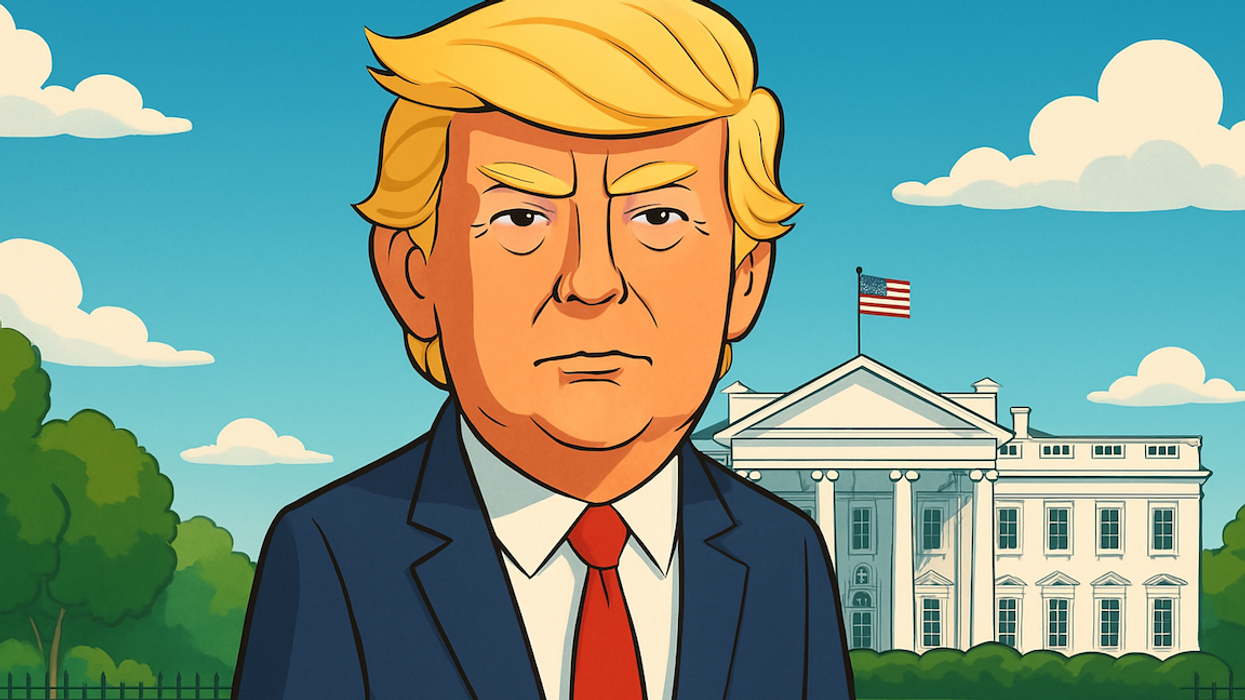
What we learned from a week of AI-generated cartoons
Courtesy of ChatGPT
Last week, OpenAI released its GPT-4o image-generation model, which is billed as more responsive to prompts, more capable of accurately rendering text, and better at producing higher-fidelity images than previous AI image generators. Within hours, ChatGPT users flooded social media with cartoons they made using the model in the style of the [...]
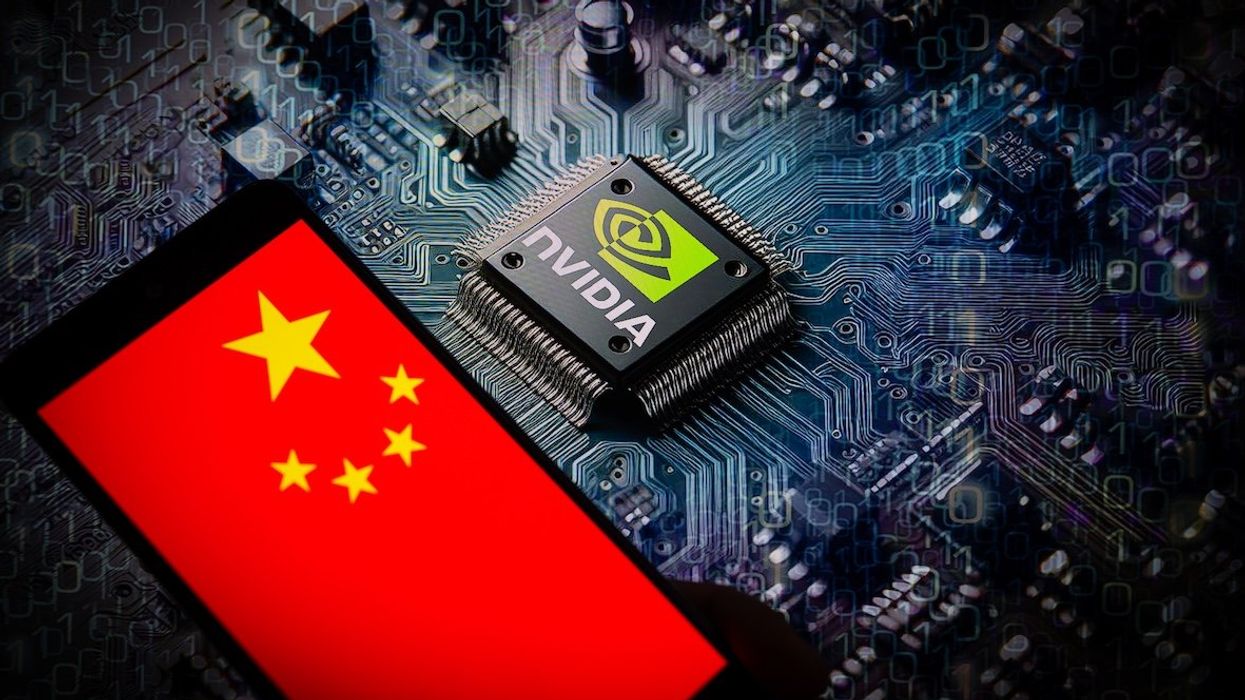
The flag of China is displayed on a smartphone with a NVIDIA chip in the background in this photo illustration.

The flag of China is displayed on a smartphone with a NVIDIA chip in the background in this photo illustration.

Jonathan Raa/NurPhoto via Reuters
H3C, one of China’s biggest server makers, has warned about running out of Nvidia H20 chips, the most powerful AI chips Chinese companies can legally purchase under US export controls. [...]
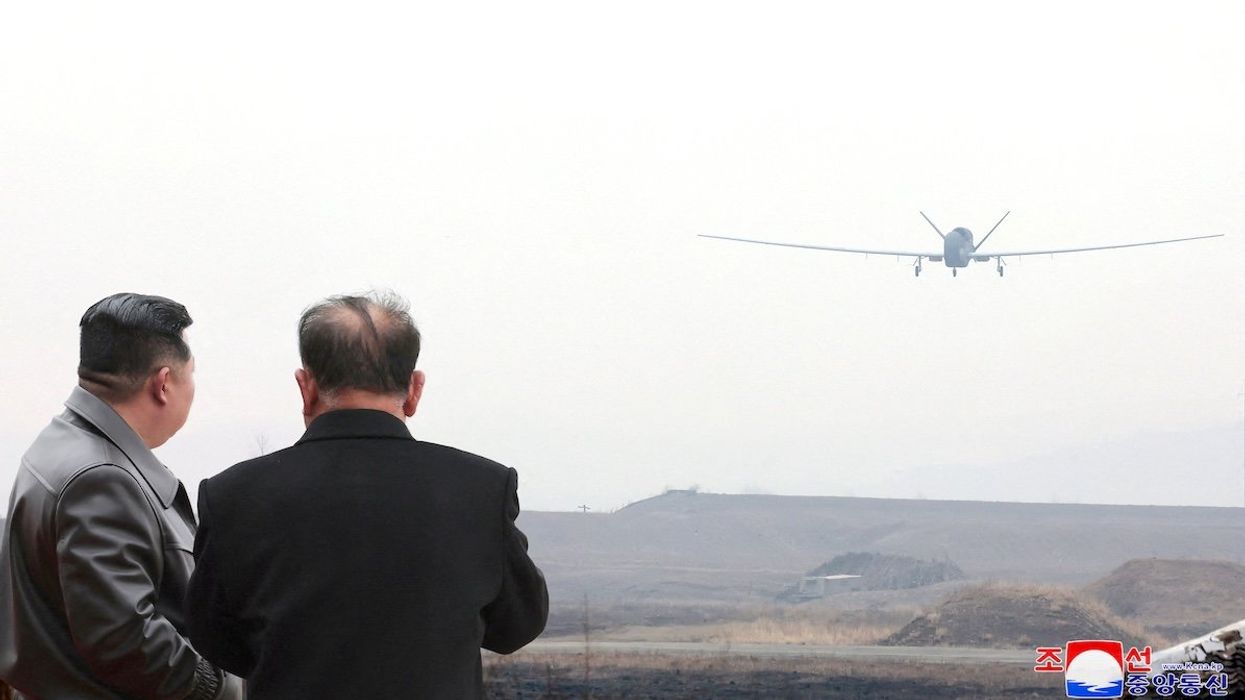
​North Korean leader Kim Jong Un supervises the test of suicide drones with artificial intelligence at an unknown location, in this photo released by North Korea's official Korean Central News Agency on March 27, 2025.

North Korean leader Kim Jong Un supervises the test of suicide drones with artificial intelligence at an unknown location, in this photo released by North Korea's official Korean Central News Agency on March 27, 2025.

KCNA via REUTERS
Hermit Kingdom leader Kim Jong Un has reportedly supervised AI-powered kamikaze drone tests. He told KCNA, the state news agency, that developing unmanned aircraft and AI should be a top priority to modernize North Korea’s armed forces. [...]
The logo for Isomorphic Labs is displayed on a tablet in this illustration.

The logo for Isomorphic Labs is displayed on a tablet in this illustration.

Igor Golovniov/SOPA Images/Sipa USA via Reuters
In 2024, Demis Hassabis won a Nobel Prize in chemistry for his work in predicting protein structures through his company, Isomorphic Labs. The lab, which broke off from Google's DeepMind in 2021, raised $600 million from investors in a new funding round led by Thrive Capital on Monday. The company did not disclose a valuation. [...]