Last week, when the World Happiness Report landed in the inbox of La Presse reporter Vincent Brousseau-Pouliot, he contacted Professor John F. Helliwell, of the University of British Columbia, to ask him about the happiness of Quebecers. Professor Helliwell, who has helped produce the annual report since 2012, typically doesn’t crunch numbers at the subnational level — but he was intrigued by Brousseau-Pouliot’s question and had a look. He discovered that Quebecers are very happy. Quebec would be sixth happiest country in the world — well ahead of Canada and the US.
The discovery gave Brousseau-Pouliot a scoop, and got Professor Helliwell thinking: What makes Quebec different? Is it just joie de vivre?
Miserable youth. The big news in the report this year is not who is at the top — the cheerful Finns and their Nordic neighbors are still the happiest countries in the world — but a dramatic increase of misery among the young in English-speaking Canada, the US, Australia and New Zealand.
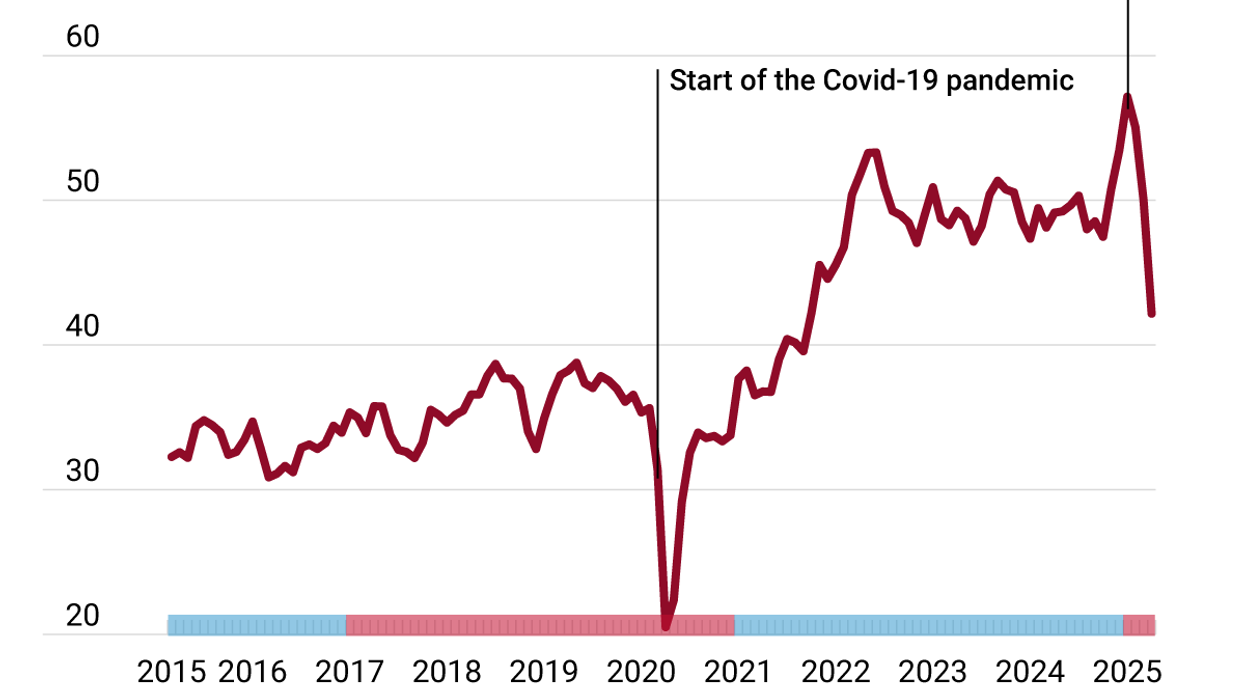
In most of the world, as long as Professor Helliwell and his colleagues have been studying this, young people are happier than their parents and grandparents. In recent years, though, there has been a dramatic shift to misery among the young in the anglosphere, which is driving down the overall score. The US, which was the eleventh happiest country in 2012, is now twenty-third. Canada, which was fifth in 2012, is now fifteenth.
Older people in both countries are upbeat. For over 60s, Canada ranks eighth and the US tenth. But for under 30s, Canada ranks 58th and the US 62nd. This misery among the young is unprecedented, and has huge political implications — unhappy people are typically less likely to vote for incumbents.
That’s a serious challenge for both President Joe Biden, who faces an election in November, and for Prime Minister Justin Trudeau, who is expected to seek re-election next year. If they lose the youth vote, they’re both toast. Almost two thirds of voters 18-24 voted for Biden last time, while Trudeau got about a third of the youth vote. In both countries, that was more votes than the margin of victory.
Consider the culture. What is making young North Americans so glum? Commentators have pointed to the pandemic, climate change and the rising cost of living. But those factors are as much a part of the lives of young Quebecers as those in the anglosphere. The Quebec exception makes Professor Helliwell wonder if something else is at work here.
“This isn't happening all over the world,” he says. “And it's chiefly in Canada, United States, Australia and New Zealand, so we began to think it had to be something to do with the information feeds, or the life circumstances of those people relative to their peers in the rest of the world.”
Helliwell wonders if an increased perception of social conflict — the result of rising discord in social media platforms and the fragmentation of media sources — is making young people unhappy. As social media has reduced the personal interactions of young people, they may perceive the world as more hostile and full of conflict than it is.
“In the absence of personal contacts, it’s what you read, what you hear. And it's possible that social media are amplifying that. I don't have any very direct evidence of that, but it certainly makes sense,” he says.
A broken promise of online prosperity. Pollster Frank Graves, of EKOS Research Associates Inc., is alarmed by the sharp rise in misery among young Canadians, particularly by how gloomy they are about their long-term prospects. A root is the failure of the economic promise of the Internet, which was supposed to offer young people a ticket to a golden future.
“It didn't happen,” he says. “It was a hoax. So not only is it the toxicity of algorithm-driven information and all this other bullshit, it's a whole economic model that didn't work.”
Graves thinks that in addition to economic explanations, it’s necessary to consider research that shows the mental health issues caused by young people spending so much time on social media via their phones, as Jonathan Haidt argues.
Whatever the cause, the youth malaise is giving headaches to the strategists behind Biden and Trudeau’s campaigns. Does that mean that Biden and Trudeau are finished? The Canadian polling seems bad for Trudeau but the American polling is inconclusive and contradictory.
Graves, who has been polling elections for decades, thinks we will have to wait and see. The polling, at least in the US, looks murky. And he is not sure that despondency will motivate people to get rid of the incumbents.
“I don't think it makes you vote to get rid of the incumbent. I think it makes you not want to vote,” he says.