Welcome to the eleventh parliamentary elections in Iran's 40-year history.
Want to run for a seat? You can…if you're an Iranian citizen between the ages of 30 and 75, hold a master's degree or its equivalent, have finished your military service (if you're a man), and have demonstrated a commitment to Islam. Check all these boxes, and you can ask permission to run for office.
Permission comes from the 12-member Guardian Council, a body composed of six clerics appointed by Supreme Leader Ayatollah Ali Khamenei and six jurists that Khamenei appoints indirectly. If the Council says yes, you can win a seat in parliament. If they say no, you can't.
This parliament, also called the Majlis, does have real power. It approves the national budget, drafts legislation and sends it to the Guardian Council for approval, ratifies treaties, approves ministers and can question the president. The current Majlis represents a wide range of values and opinions.
Actually, you're too late: The first round of voting takes place today. And unless you're conservative in your social views, fiercely loyal to the Supreme Leader, and openly hostile to the US and Europe, you probably wouldn't have cleared the Guardian Council anyway.
Check the numbers for yourself. About 16,000 people applied this year to compete for 290 seats across Iran's 31 provinces. About 9,000 people were told no, the largest number of disqualifications in Iran's history. Many of those disqualified are "reformist" or moderate candidates who, generally speaking, favor a more tolerant society, back greater freedom of speech, and prefer some degree of engagement with the West. In fact, most of Iran's constituencies won't feature a single reformist candidate on the ballot. A few dozen of those told they don't qualify this year actually hold seats in the current parliament.
Making matters worse for reformers and moderates, they're divided over what to do about this. President Hassan Rouhani, a moderate, has criticized the mass disqualifications, but he's called on voters to back candidates who promise change. Other moderate/reformist leaders have called the vote a sham and urged Iranians to boycott. That division in strategy will boost the hardliners still further.
In sum, though full election results won't be published until a second round of voting in May, it will be clear by later today that hardliners will win a solid majority of seats, sharply increasing their power in government.
Why have the hardliners moved so aggressively to tighten their grip?
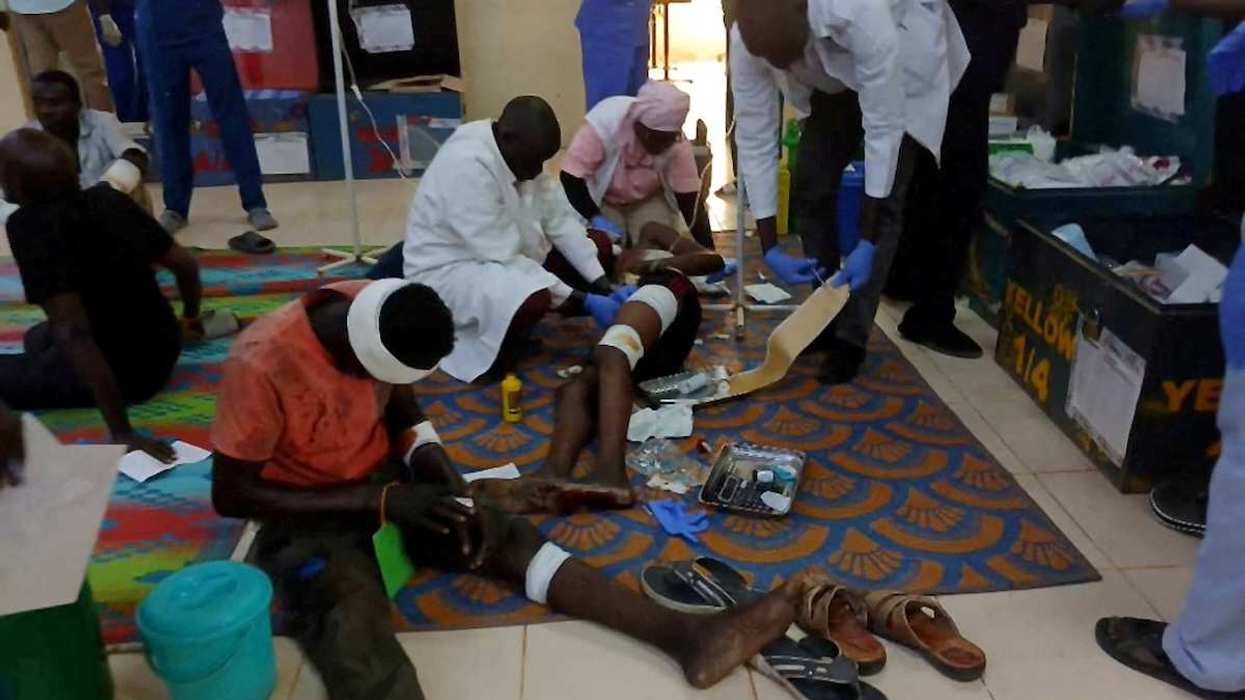
For one thing, Iran's economy is in rough shape as a result of restored US sanctions, and the hardliners want to make sure that if protests arise again, the streets don't have too many sympathizers in Parliament. Just four months ago, security forces killed more than 300 people and injured thousands more in response to protests triggered by a government plan to raise fuel prices, according to Amnesty International.
For another, Iran sees itself at war with the US, and is consolidating power accordingly. The US and Iran have traded blows, particularly since the US killing of General Qassim Suleimani, a man particularly close to the Supreme Leader. There will be more conflict with the US and more economic fallout. Dissent, particularly public protest, is now especially unwelcome.
Finally, Iranians will be asked to elect a new president next year. Hardliners eager to see Rouhani replaced with a candidate more to their liking want to tighten their control of Iran's politics now to ensure the vote goes as they hope.