COVID at the Games. The Beijing Winter Olympics, which begin on Friday, will be the most serious test to date of China's zero-COVID policy. President Xi Jinping wants to make a big international splash with the Games, as his predecessor did with the Beijing Summer Olympics in 2008. That'll be tough with stadiums only half-full with domestic spectators pre-screened by the Communist Party, and no foreign fans allowed to attend at all. To avoid an outbreak at the Olympic Village, China initially imposed strict testing and quarantine policies for everyone attending the Games. But it’s possible that the CCP is having at least some doubts about this policy's ability to contain the omicron variant: Only days out from the inauguration ceremony, authorities have relaxed testing and isolation guidelines, signaling a slight pivot in China's pandemic management strategy. Does this mean the Olympics will be the beginning of the end of zero COVID? China's economy — and the world's — would surely benefit from a transition to living with the virus. Beijing says it is developing its own mRNA vaccines to achieve this, but that could still be many months away.
Xinjiang business culture wars. The Beijing Winter Olympics will also pose a big test for multinational corporations that will try to attract business in China despite the CCP’s ongoing human rights violations. US firms will worry about American consumer boycotts if they source products from Xinjiang, where some Chinese manufacturers rely on Uyghur forced labor. (Elon Musk recently came under fire for opening a Tesla showroom in the region.) But if US corporations take a firm stand on Xinjiang and other politically-sensitive issues in China, they risk a similar backlash from Chinese consumers. Last year, a vocal online movement in China called for the boycott of Nike after the multinational corporation criticized abuses in Xinjiang. Indeed, the CCP is more game to stoke nationalist fervor at the expense of business opportunities than the US government, which is reluctant to support consumer-led boycotts that hurt US businesses. Now, American corporations will face a very tough choice between drawing the potential ire of the US public or nationalist Chinese consumers.
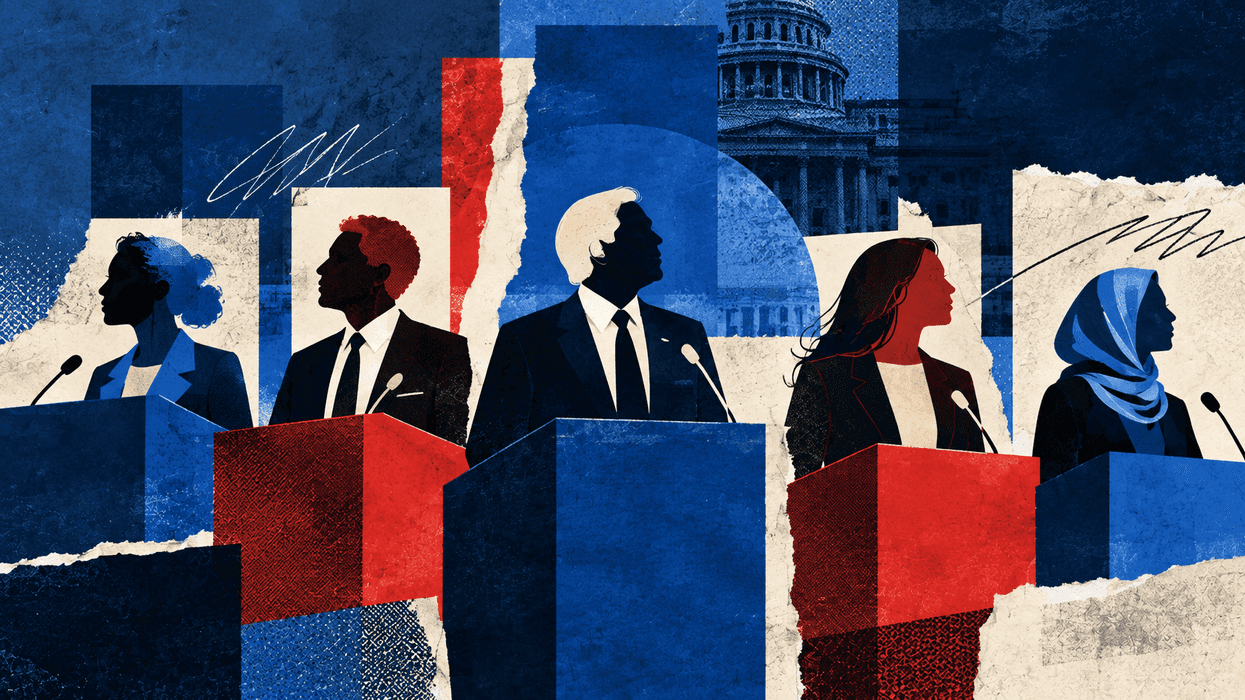
China enters US midterms campaign. Republicans and Democrats in the US Congress don’t agree on much these days, but they do find much common ground on China — specifically, the need to counter Beijing’s growing economic and diplomatic clout. This “tough-on-China'' competition will surely intensify in the lead-up to the November midterm elections. Last summer, the Senate passed a bill to augment the US’ tech capabilities and “global competitiveness” – for instance by producing more US-made semiconductors instead of relying on Chinese chips. Tellingly, the legislation explicitly refers to China as the "greatest geopolitical and geoeconomic threat" to US foreign policy. The House of Representatives, meanwhile, passed two separate research and development bills, with some Democrats saying the Senate bill was too focused on countering China. In the months ahead, expect Republicans to jump at the opportunity to cast the Democratic party — and President Biden — as weak on China. Senator Marco Rubio from Florida, who is up for re-election, has previously sent out campaign emails with the subject line "Dems <3 China.” This could prove to be a decisive electoral strategy considering that most Americans have a negative view of China, and support a more assertive stance towards its government.