It has already been a dangerous week for the world. After months of trading aerial attacks, Israel’s northern border with Lebanon has shifted from a watchpoint to the brink of a ground invasion and wider regional conflict.
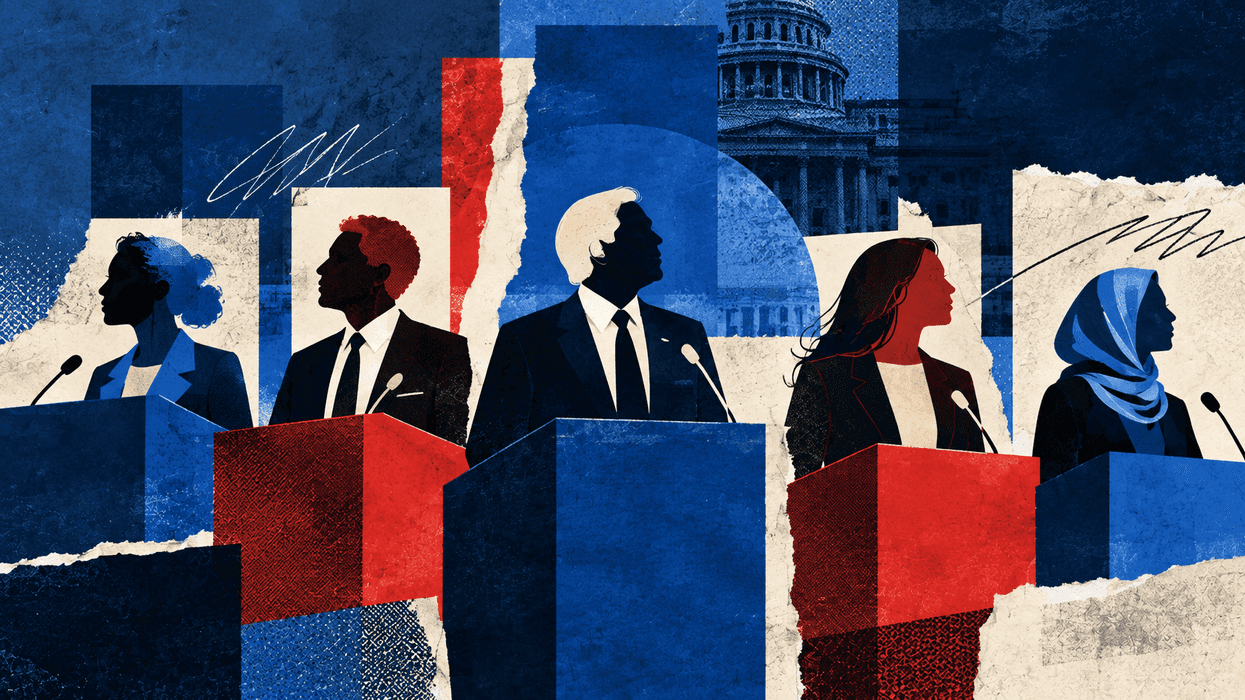
As Gov. Tim Walz and Sen. JD Vance take the debate stage tonight for the only vice presidential debate of this election season, everyone from global leaders to young people is asking: What will the next US president do with the world they are inheriting?
In his final remarks before last week’s United Nations General Assembly, President Joe Biden sought to remind the international audience of his 40-year political career. Biden’s speech framed the Afghanistan withdrawal as much-needed, the global coalition in support of Ukraine a resounding success, and new partnerships like the Quad as pillars for the US’s future.
Despite the personal highlight reel, Biden’s global legacy hangs in the balance. After dropping his reelection bid, it was widely reported that Biden viewed ending the war in Gaza as the top priority for the remainder of his term. Months of negotiations and tireless trips to the region by US Secretary of State Antony Blinken, the Central Intelligence Agency’s Director Bill Burns, and others have translated into almost no tangible progress on a May 2024 US cease-fire proposal. Senior US officials acknowledged earlier this month that a deal is neither imminent nor likely.
Instead, a second front along Israel’s north has gone from warm to blazing hot. This weekend’s assassination of longstanding Hezbollah leader Hassan Nasrallah (reportedly without US awareness) followed by targeted Israeli strikes against Iran’s “axis of resistance” in both Syria and Yemen have sent shockwaves through the region.
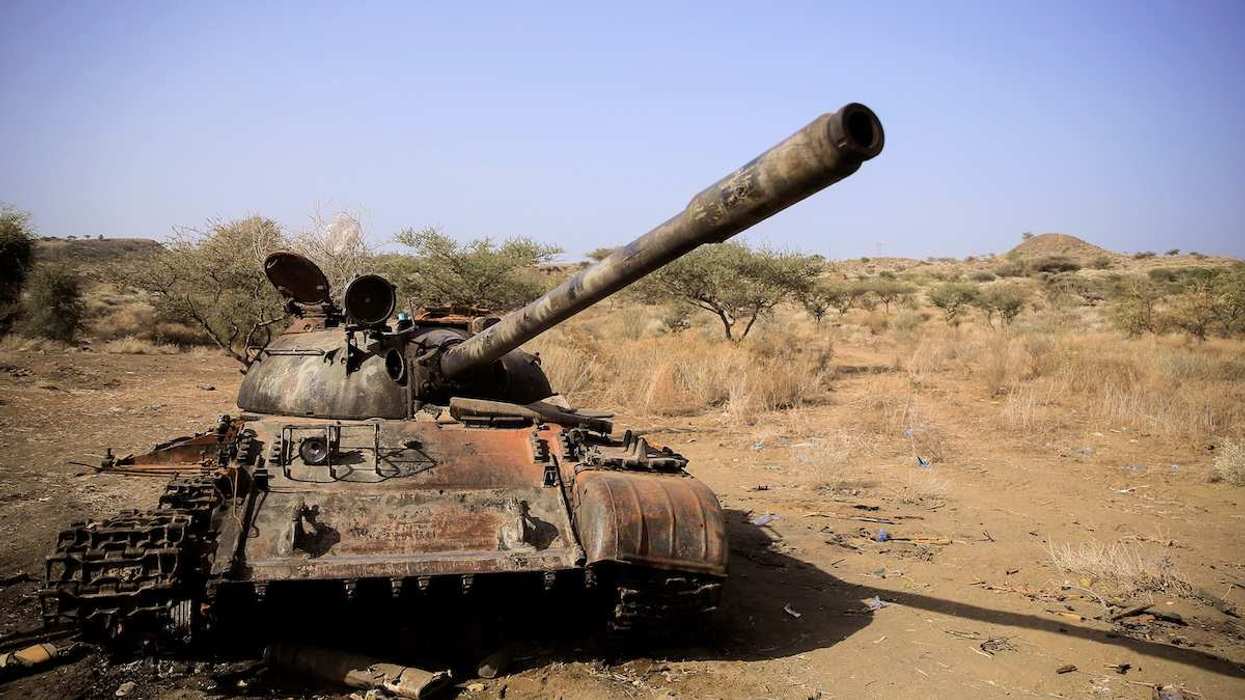
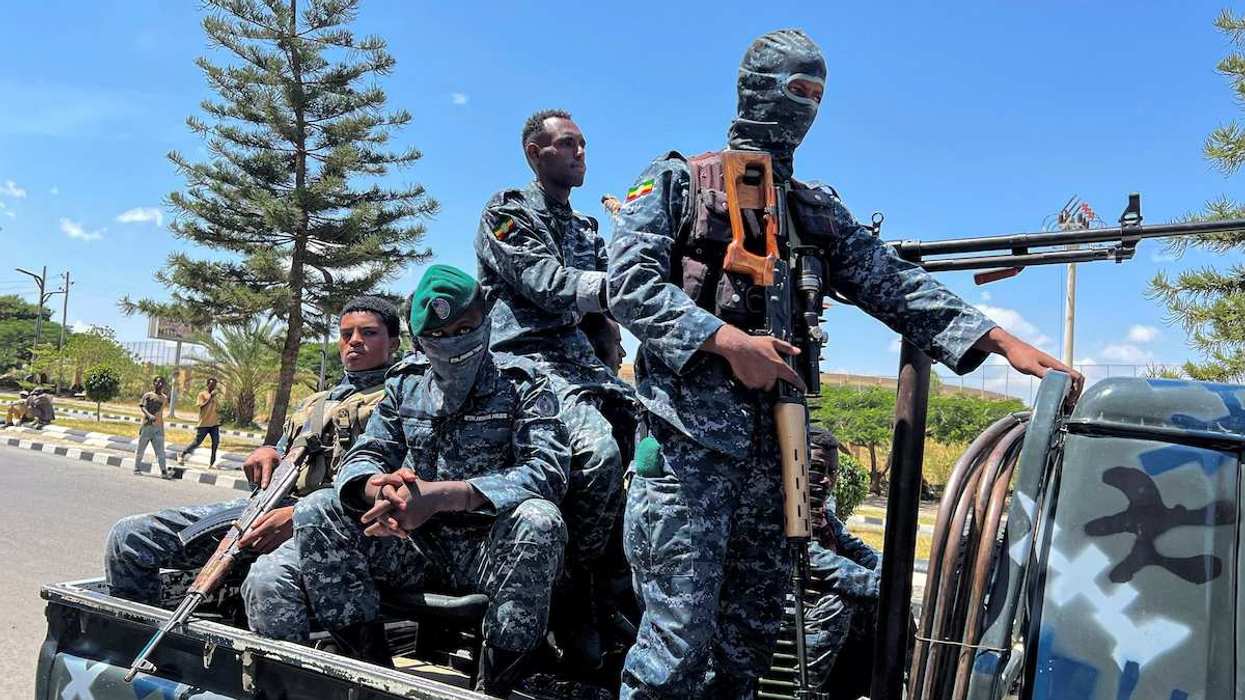
When the next US president assumes office on Jan. 20, 2025, they will likely encounter a geopolitical landscape with wars in the Middle East, Ukraine, and Sudan, the threat of a nuclear Iran, US-China tech and space races flaring, and a host of other global challenges, from climate and inequities to radicalization. As we saw with last week’s UNGA, global engagement and interconnectivity may be at an all-time high. Yet, no one knows what the incoming US leadership will do about the tests ahead.
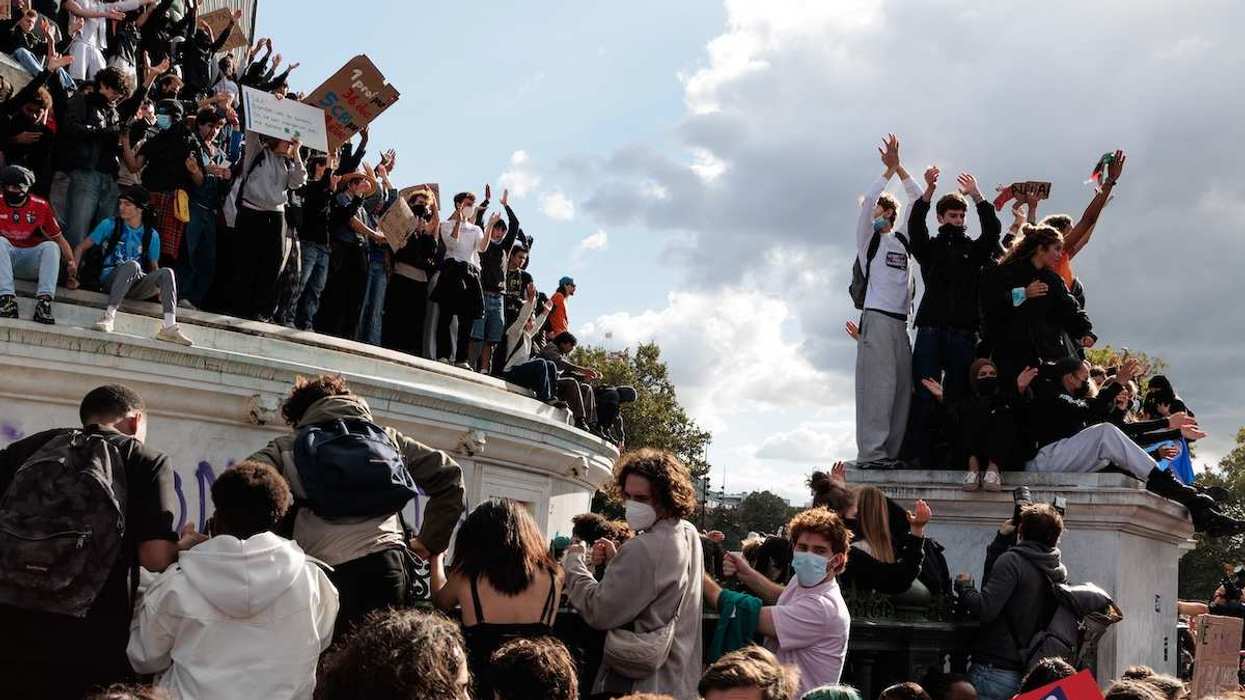
In speaking last week with leaders of the next generation across Europe and Africa as part of an election-related conversation for Chatham House’s Common Futures Conversations project, the desire for clarity from the US is clear. There is anxiety that US voters will not reject former President Donald Trump’s America First brand of isolationism in November. Trump worried Europe earlier this year when he claimed he would encourage Russia to do whatever it wanted with any NATO member not paying their fair share of defense. Likewise, his plans to impose blanket tariffs of 20% on all imports, including those manufactured by US allies and partners, are ringing the alarm that American friendship may not be what it once was.
Alternatively, if American voters reject Trumpism, a status quo foreign policy strategy under Vice President Kamala Harris is also considered unsatisfactory. There is a sense that more unfulfilled rhetoric of democratic resilience and values will not move the needle for the next generation. There’s a nagging concern that even under a Harris administration the US may be turning inward, focusing on “American workers, innovation, and industry.” What will this mean for the future of development aid and foreign investment across Africa and elsewhere?
Instead, these young voices are hoping for new solutions – and innovation – in US foreign policy that acknowledge the attitude and norm shifts they are experiencing as well as the technological change and saturated information environment around them.
There are two camps about this moment in US geopolitical history. One side draws a trendline from Trump’s withdrawal from the Paris Agreement, the Trans-Pacific Partnership, and over-reliance on tariffs and sanctions to the Biden administration’s “small yard and high fence” as the start of the US retrenchment from global leadership. Another side says the US remains the most important actor in every room it enters and will continue to set the global agenda.
We may only know in hindsight if this decade turned out to be a turning point. For now, it seems clear that the world is still knocking on the door of the White House, asking for a glimpse of the blueprint ahead.
Lindsay Newman is a geopolitical risk expert and columnist for GZERO.