Skip to content
Search

Latest Stories

Graphic Truth

Graphic Truth: Infant mortality in the OECD

Graphic Truth: Infant mortality in the OECD
Annie Guggliotta
Make us preferred on Google

American parents are more than four times as likely as their peers in Estonia to lose a baby during or shortly after birth. It is one of the most devastating human experiences – and a key indicator of a country’s development. After all, if even the most vulnerable babies survive, the healthcare system must be doing something right. By that metric, the US looks more like Chile or Slovakia than the global superpower it is.


And it’s not just babies who are more at risk in the US. A study from the Commonwealth Foundation found that American mothers are twice as likely to die during or shortly after childbirth than their Canadian peers, and more than 10 times as likely as women in New Zealand.

Part of the problem comes down to a shortage of care for expectant mothers. The US has about 15 gynecologists per 1,000 live births, compared to 54 in the UK and 78 in Sweden. That means less attentive care during and after pregnancy, which can lead to early warnings going overlooked.


More For You

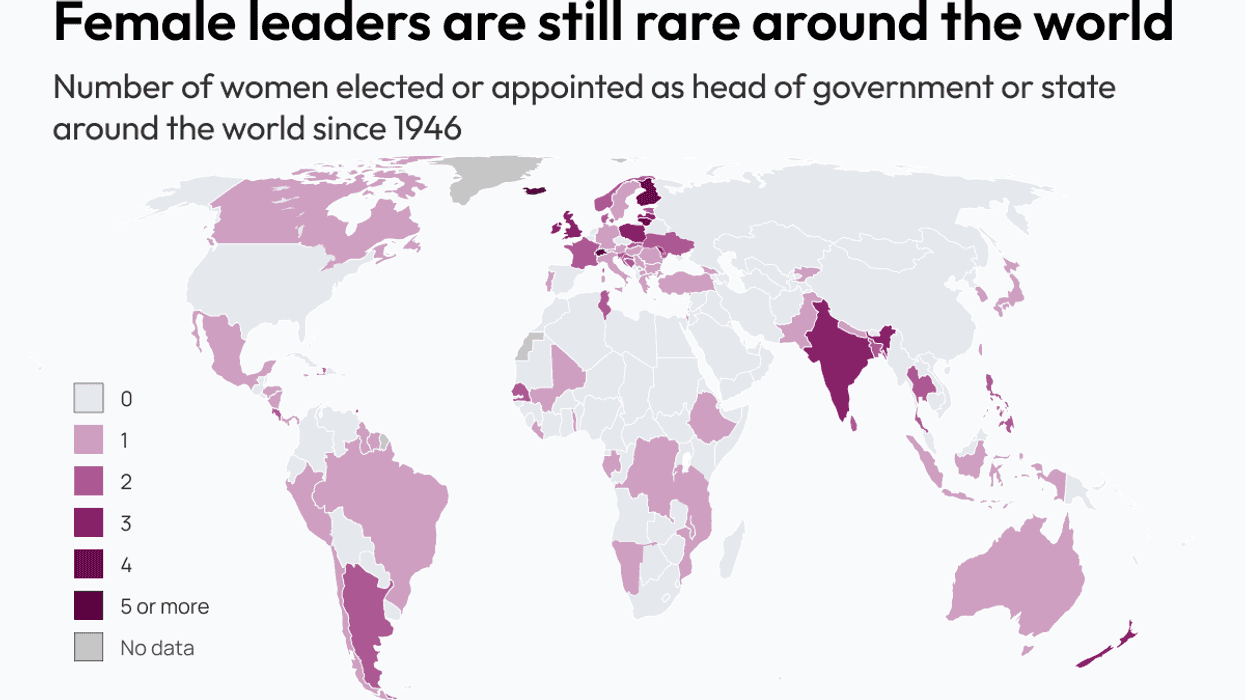
Female leaders are still rare around the world
Eileen Zhang
Several elections next year could bring historic firsts for women in politics. In France, Marine Le Pen leads the polls in the country’s presidential race, while Ilse Aigner is the leading contender to become Germany’s next president. Meanwhile, attention is already turning to the 2028 US presidential race, and former Vice President Kamala Harris [...]
The midterms: Races that could decide the Senate
Eileen Zhang
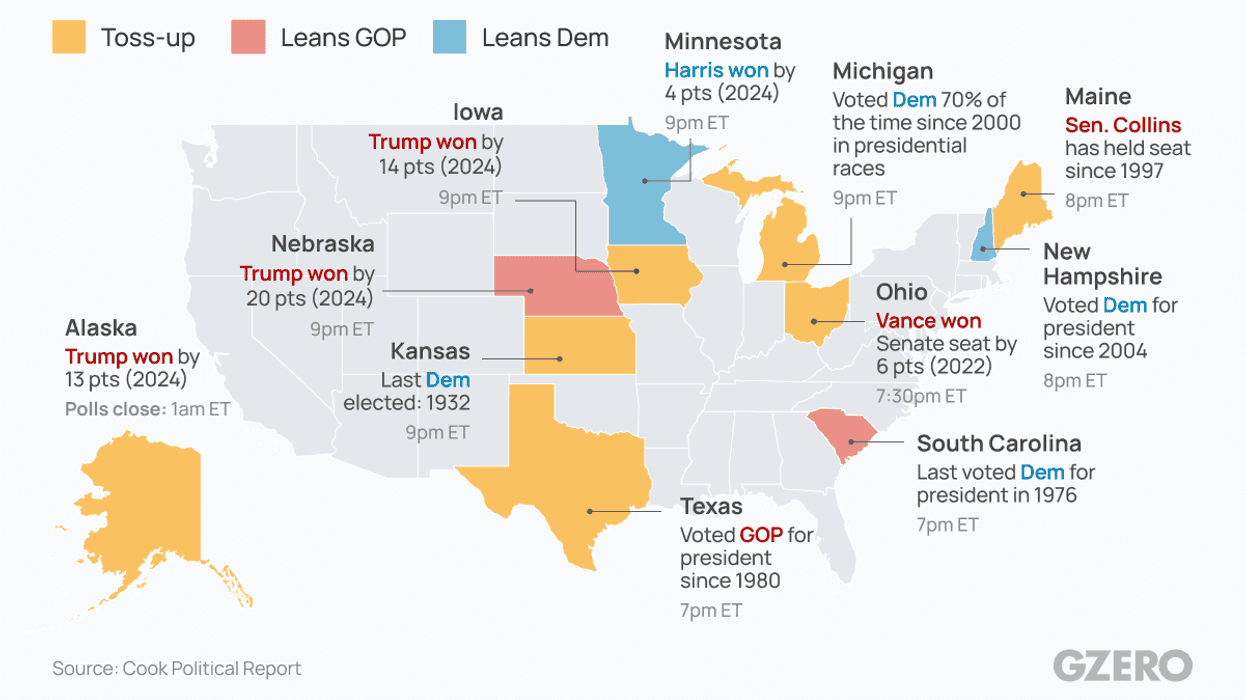
If predictions hold, Democrats are on track to win a majority of seats in the House. The real battle today is for the Senate, where Republicans currently hold 53 seats. Democrats need a net gain of four seats to hold a true majority, since Vice President JD Vance can cast a tie-breaking vote in their favor. We’ve put together a cheat sheet of 11 [...]
The world can't agree on Daylight Saving Time
GZERO Media
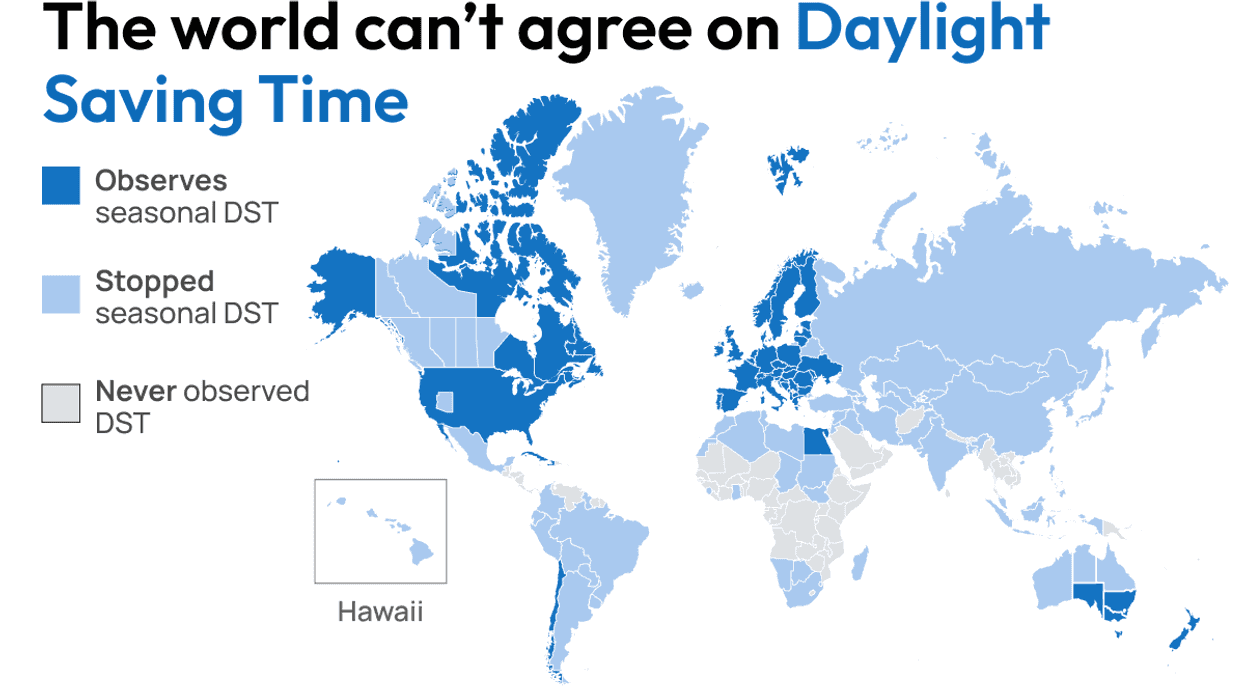
On Sunday, Americans turned their clocks back an hour to mark the end of Daylight Saving Time. The seasonal shuffle began in World War I, when Germany and Austria-Hungary did so to conserve energy. A century later, the world can't agree on whether changing the clocks is worth the trouble. More than 140 countries have used DST at some point, but [...]
How far will Putin push NATO?
- YouTube
Russia's war in Ukraine is increasingly spilling beyond its borders. From suspected sabotage and cyberattacks to drones and aircraft testing NATO airspace, Moscow is probing how far it can go without triggering a wider confrontation. Meanwhile, uncertainty over US support is forcing Europe to rethink its own defenses. But with 27 EU countries [...]