Chaos is brewing in France's streets and Britain's corridors of power. Here's Gabe Lipton with thoughts on what's happened and what might come next.
Gabe's big story of 2018: Liberal democracy's threat from within
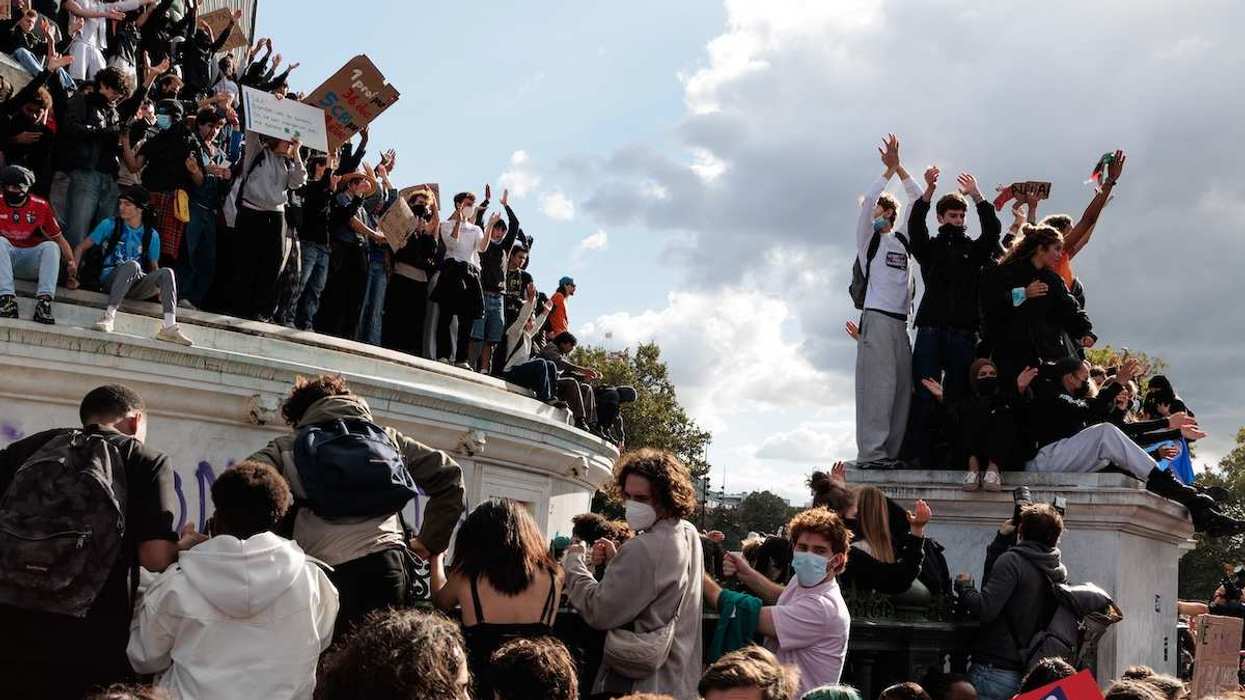
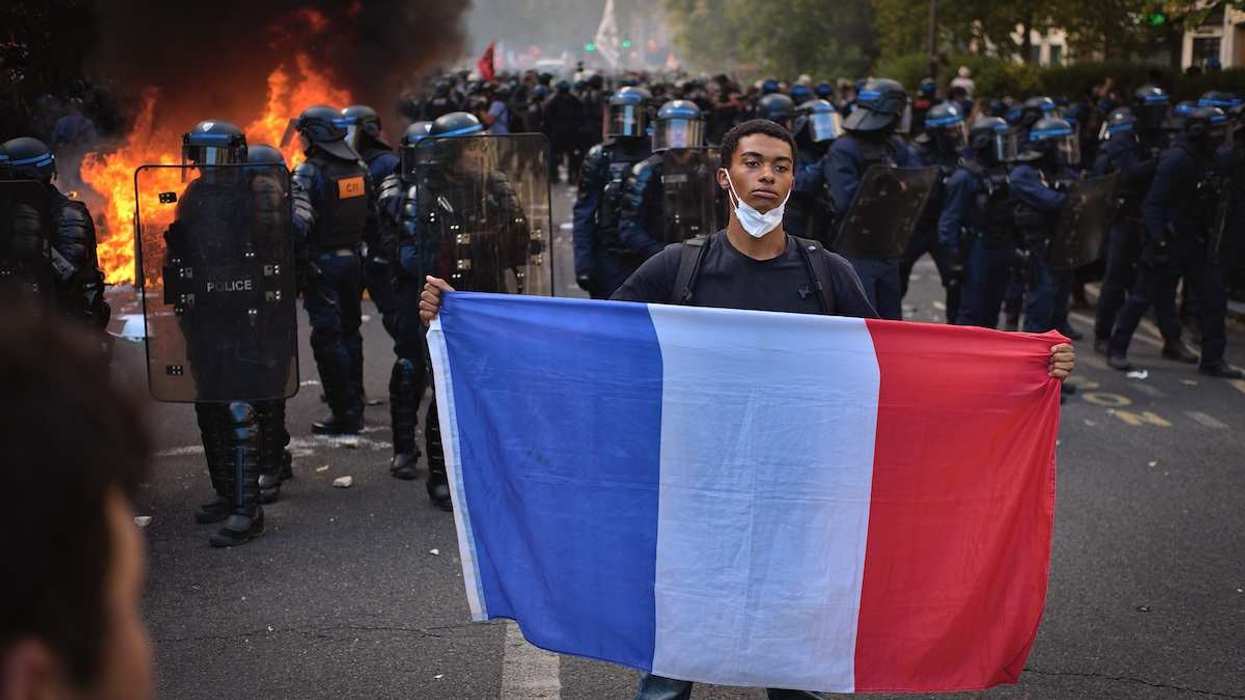
The scale and intensity of the "Yellow Vest" protests that have swept across France this fall caught the country by surprise. For those who support them, they've also proven successful: pushing President Emmanuel Macron to offer concessions, garnering global attention, and inspiring imitators in other countries.
In fact, this is an important story for liberal democracies everywhere. Many of the protesters' complaints – from Macron's imperial aloofness to the impact some of his policies may have on economic inequality – are easy to understand. The expression of those concerns through protest and destruction, though, reflects a failure of existing avenues for political change.
That sets a worrisome precedent. Macron has made that precedent more likely to stick by backtracking on proposed tax increases. Activists in other countries will claim inspiration and copy the script.
This is political dialogue through aggressive confrontation. Yes, democracy depends on competition among ideas, but also on compromise. When competition becomes chaotic confrontation, everyone loses, and the losses of 2018 are likely to last.
His big question for 2019: What's the Brexit endgame?
On March 29, the UK is scheduled to leave the European Union, and we're no closer to understanding just how messy this divorce will be than on the day Britons voted for Brexit in 2016.
In early January, British MPs will likely vote down the exit agreement brokered by Prime Minister Theresa May. What comes next is anyone's guess, but here are a few possibilities. The UK might ask EU leaders for more time to resolve its domestic political impasse, pushing the resulting British and European frustration and confusion beyond March. There is also a building chorus of voices in favor of a second referendum. How to frame the questions for such a vote would surely provoke fierce debate.
Many in May's Conservative Party want to table an option that would maintain closer economic relations with the EU than the current proposal, in part because they believe they can win votes for such a plan from within the (also-divided) opposition Labour Party. Others believe a "no deal" exit in which the UK and EU separate almost entirely is the only way to break the current logjam.
For all its frustratingly arcane details, the sheer range of possible outcomes makes this an especially important (and fascinating) political story.