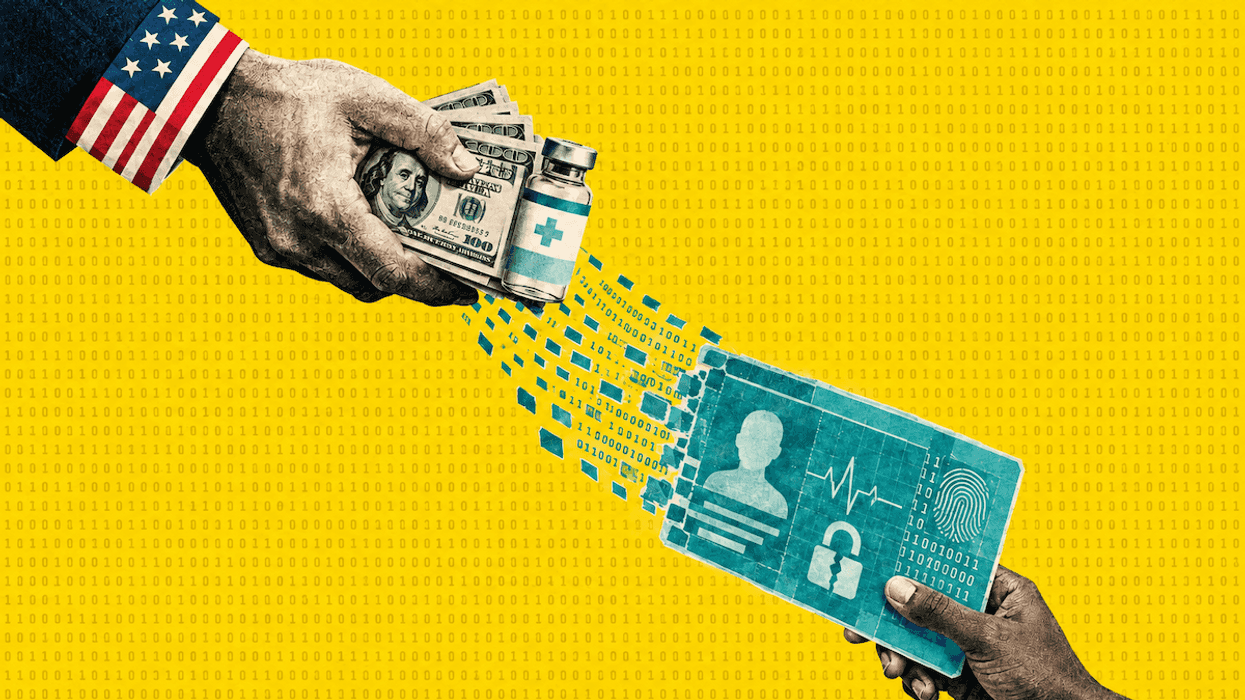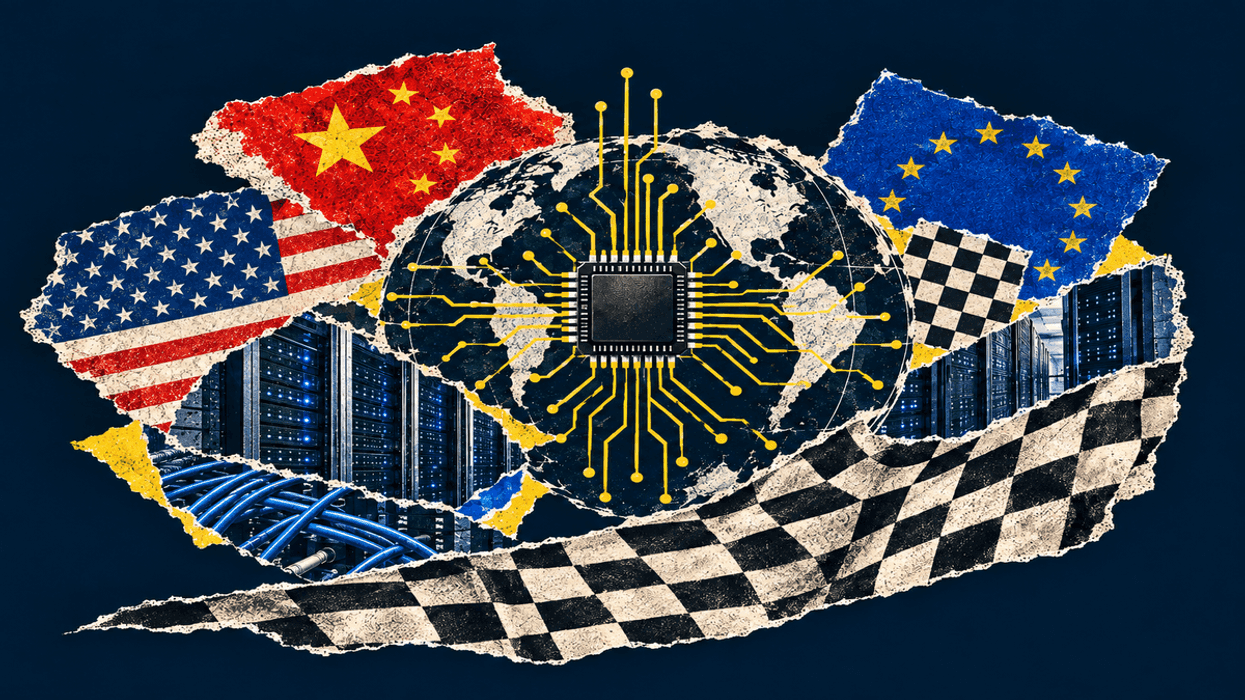
Last week at Davos, German Chancellor Angela Merkel, Indian PM Narendra Modi, French President Emmanuel Macron, and billionaire philanthropist George Soros all more or less agreed on one thing: whoever establishes control over data and information will win the 21st century contest for power. How, and why?
Well, as you ponder what could be done with the millions of bits of data that you are already emitting about where and what you are doing/buying/eating/reading/hearing/wearing/exercising — here are a few things to consider, from yours truly and Signal’s tech guru Kevin Allison:
Influence and Control: The proliferation of social media platforms and gargantuan troves of personal data make it possible for governments and companies to target people ever more effectively with information — real or fake — that is designed to influence their perceptions about the world around them. At the same time, this data provides huge new opportunities for governments (or companies, again) to track and surveil people.
War and conflict: “Acts of war” will increasingly involve cyber-invasions of the platforms where sensitive data is stored, transmitted, or used to operate our critical infrastructure. There are few international rules on limits or accountability for this kind of conflict, at a time when hackers (state and non-state) are getting more sophisticated and sensitive data looks increasingly vulnerable. Of course, it’s not always so complicated: here’s a recent storyabout US troops giving away secret positions by using a popular exercise app. Back in the old days we needed Geraldo for that.
People and Robots: One of the main applications for all this data is to feed the algorithms that underlie automation technologies, which will have their own disruptive effects as people are put out of work by robots and computer programs. The countries that have strong education systems (to prepare people to take new jobs) and supple social safety nets (to care for those who cannot) will have the best chance of prospering economically and holding together politically.
So who will win this race for dominance? Will it be companies or governments? We’ll address the strategies and approaches of the three main players — China, Europe, and the US — in next week’s Signal…