Skip to content
Search

Latest Stories

News

The invasion of Russia

An abandoned armoured vehicle, after anti-terrorism measures introduced for the reason of a cross-border incursion from Ukraine

An abandoned armoured vehicle, after anti-terrorism measures introduced for the reason of a cross-border incursion from Ukraine

REUTERS
Make us preferred on Google
On Monday, fighters traveling in two tanks, an armored personnel carrier, and nine other armored vehicles crossed the Ukrainian border into Russia to attack targets inside the Russian region of Belgorod. Members of the so-called Liberty of Russia Legion and the Russian Volunteer Corps claim to have captured the small Russian town of Kozinka. The Ukrainian government says the fighters were all Russian citizens who want to depose Vladimir Putin. The Russian government calls them terrorists and claims to have repelled the attack, killing 70 fighters.

From the beginning of Russia’s war on Ukraine, outsiders have wondered where Putin would draw a “red line,” the point at which Russia would escalate the fight with a tactical nuclear weapon, a sophisticated cyberattack, or some other tool that expands the war beyond Ukraine. With each new round of Western sanctions on Russia, the Kremlin has issued ominous-sounding threats. With each new debate over more powerful Western weapons for Ukraine, there were more Russian threats. When Finland and Sweden began moving toward NATO membership, still more Russian threats. Many in Europe and the United States have assumed that Putin has drawn a red line around the defense of Russian-occupied Crimea.

It’s not clear who was inside the armored vehicles that attacked Russia. Russia says they were Ukrainians. Ukraine says they were Russians who want to overthrow Putin. But the armor itself could only have come from the Ukrainian military, which clearly doesn’t mind if the world knows its weapons can be used to invade Russia. And emerging evidence suggests the fighters used some American-made weapons, as well. Maybe it’s all part of a Ukrainian plan to distract Russian commanders ahead of Ukraine’s counteroffensive and to redirect Russian troops away from Ukraine’s intended points of attack.

But there’s a more immediate question: How will Putin respond to this incursion into Russia? Is the Russian border a red line? Have the Ukrainians finally overplayed their hand? Or are the Russians now completely unable to throw a damaging punch – on the battlefield or in cyberspace?

The next few days may tell us a lot.

More For You

Dario Amodei, CEO of Anthropic, speaks during the Anthropic Builder Summit.

Dario Amodei, CEO of Anthropic, speaks during the Anthropic Builder Summit in Bengaluru, India, February 16, 2026.

REUTERS/Priyanshu Singh
The “prisoner's dilemma” with AI regulationIn recent days, the bosses of the top US AI companies have supported more stringent regulation of the industry. Their statements came after a viral post from an Anthropic employee who said he quit over fears that AI could “kill us all.” A strong majority of US voters want more regulation, but the [...]
Brazilian Supreme Court scandal spills into presidential race
Natalie Johnson
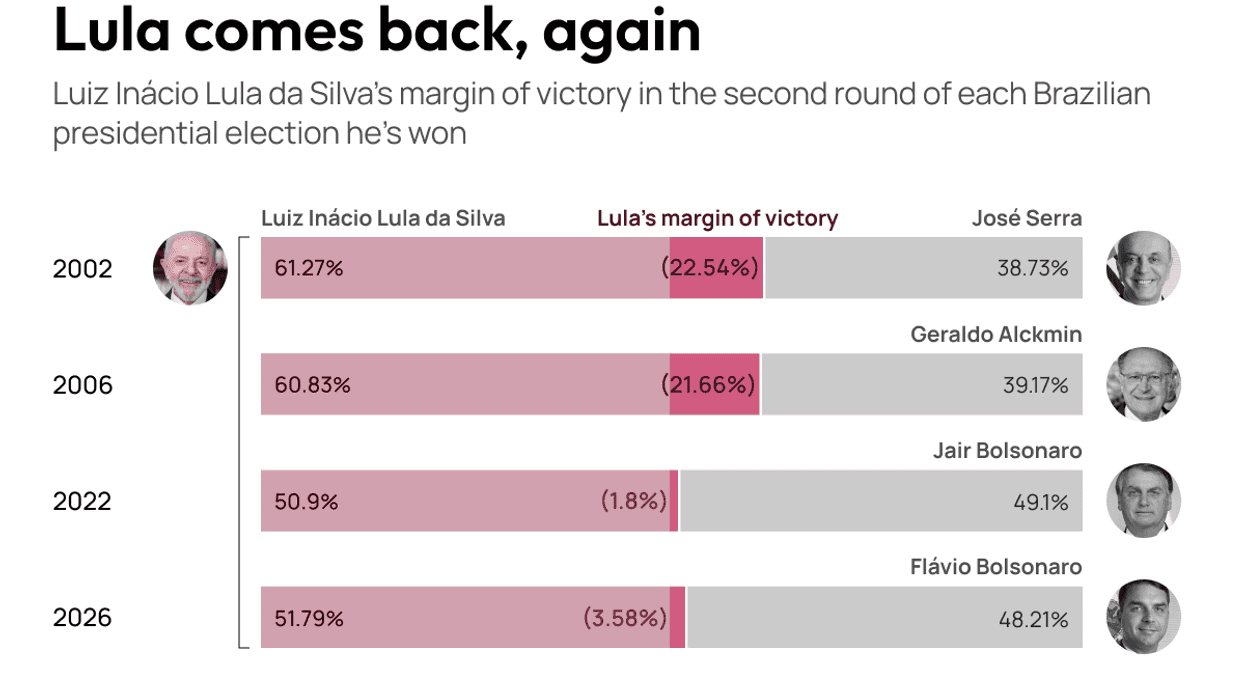
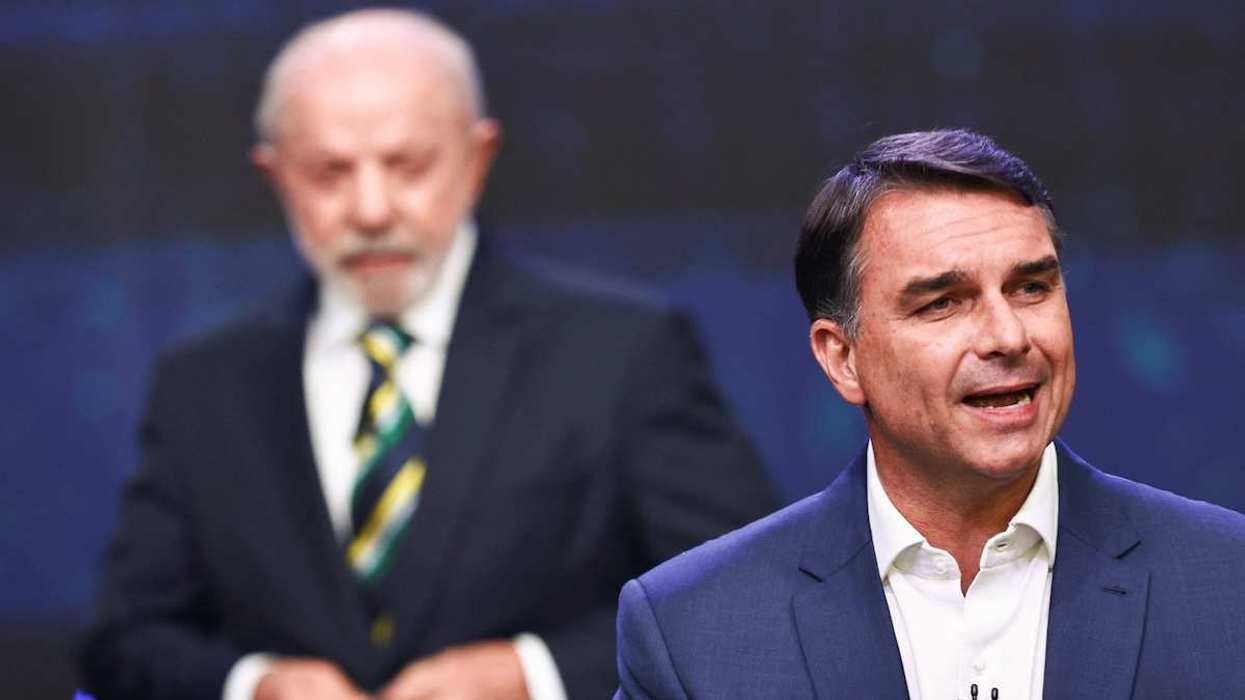
Lula’s lead over Bolsonaro has narrowed in recent days following a Brazilian Supreme Court scandal. Earlier this month, a police report disclosed alleged links between Justice Alexandre de Moraes and Daniel Vorcaro, the suspected ringleader of a multibillion-dollar bank fraud. Though he hasn’t been accused of any wrongdoing in the case, the crisis [...]
The enduring legacy of 9/11, with former Defense Secretary Mark Esper
This week marks 25 years since 9/11—the deadliest terror attack the world has ever seen and a defining moment in American history. The attacks transformed US politics and national security. The war on terror became the organizing principle of American foreign policy. Former Secretary of Defense Mark Esper joins Ian Bremmer on the GZERO World [...]
25 years after 9/11, how much has changed?
- YouTube
Twenty-five years after 9/11, how much has actually changed? 9/11 is one of those rare moments that divides history into a “before” and an “after.” On Ian Explains, Ian Bremmer looks back at the attacks that reshaped US foreign policy, launched the war on terror, and ushered in an era of military intervention, mass surveillance, and profound [...]