As governments around the world put their countries on lockdown to slow the spread of the coronavirus, there is a growing fear that the global economy and financial system could soon experience another kind of contagion. This week, as the scope of the outbreak became clearer, dire economic data from China and forecasts of a looming global recession started rolling in. Some experts are even starting to use the dreaded D-word, drawing comparisons with the 1929 financial and economic crash that led to the Great Depression.
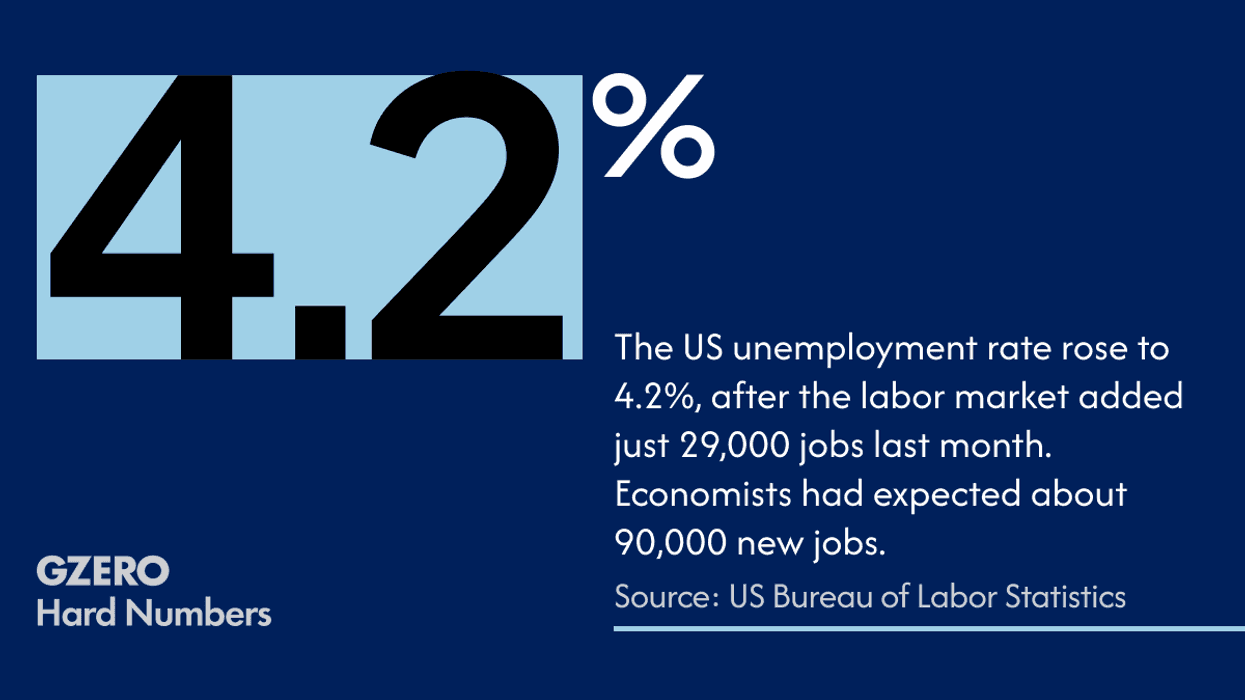
Coronavirus, and the responses to it, pose two major risks to the economy and financial system. The first is the hit to companies' sales and profits, and workers' wages and jobs. The worse the outbreak, and the harsher the social and economic clampdown needed to manage it, the worse the economic hit will be. Airlines are already warning they may face bankruptcy by May without government assistance. Carmakers and other large manufacturers are closing assembly lines. Millions of restaurant and other service industry workers that are forced into lockdowns may soon be out of jobs and unable to pay bills, student loans, and make rent or mortgage payments. That's one reason stocks have been hammered this week, despite attempts by the US Fed and other central banks to stem the bleeding and shore up confidence.
The second big risk is harder to pin down – that's the risk of financial contagion. Companies going bankrupt and firing workers is bad enough, but it can become an even worse problem if it creates a domino effect where companies can no longer pay back loans, generating losses that could shake confidence in banks and the broader financial system.
Offsetting the coming economic shock would reduce the risk of wider financial contagion, but will require governments around the world to unleash huge resources: both fiscal stimulus to help workers and companies (Italy has already suspended mortgage payments and declared a holiday on household bills, while President Trump has promised support for the airline industry and is now considering sending cash directly to Americans) – and possibly other measures to ensure the smooth operation of the financial system that go beyond what central banks have done to date.
The catch: Decisions about whom to bail out and whom not to will be every bit as politically fraught as they were in 2008-09, when governments around the world were forced to intervene to prevent a much worse collapse – and during a US election campaign, to boot. This time, though, the political wrangling will also take place during an ongoing pandemic that is already stretching many governments around the world to their limits.