Anti-government protests escalate in Kenya
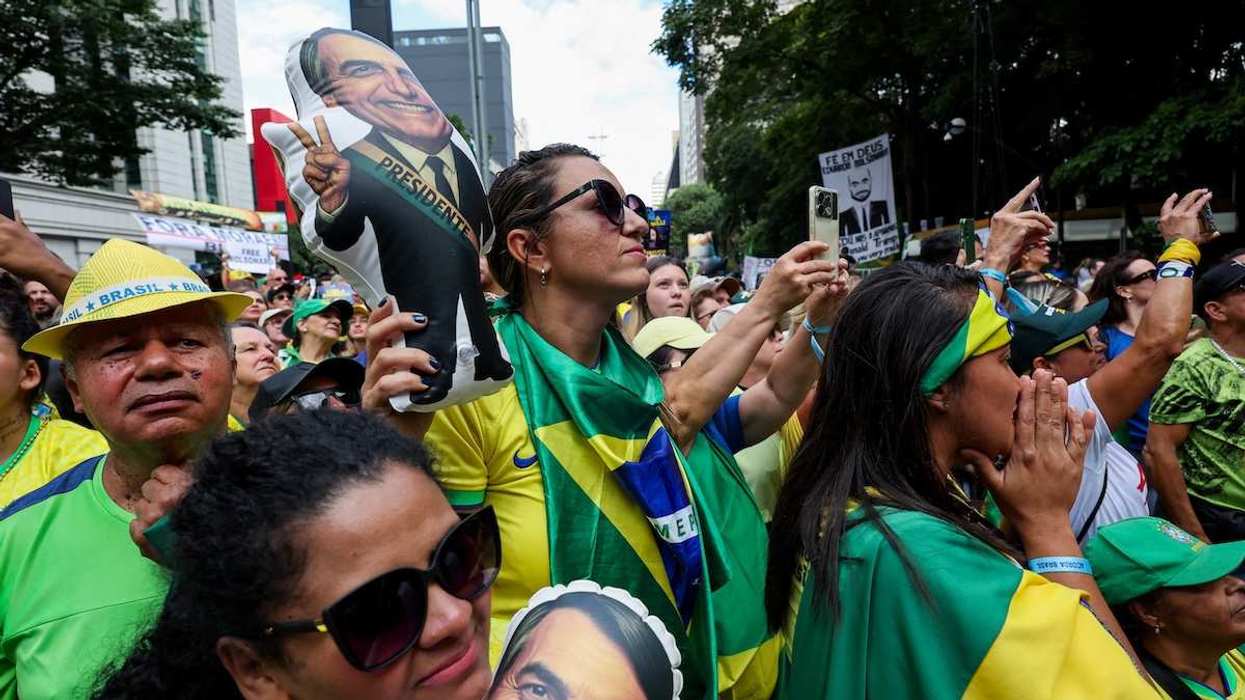
On Monday, hundreds of protesters stormed a controversial farm owned by Kenya’s former President Uhuru Kenyatta. The rioters stole livestock, cut down trees, and then set the land on fire.
The motive likely has something to do with the ongoing protests against the government of President William Ruto captained by opposition leader Raila Odinga, who narrowly lost the 2022 election to Ruto, Kenyatta’s ex-VP. (The members of this political threesome have all worked with each other in the past in Kenya, where elite business and politics are about as tight as can be.)
This behavior is nothing new for Odinga. While the protests are outwardly about the rising cost of living, Eurasia Group analyst Connor Vasey says that the opposition is just “taking his politics to the streets,” using inflation and other grievances as a “lightning rod to ensure turnout”. And while he is officially trying to overturn Ruto’s victory, Vasey believes that what Odinga really wants is an unofficial executive role in government.
From here, we can expect a test of political willpower. Odinga is threatening more rallies, while Ruto says he’ll continue to deploy the security forces against the protesters. The president hopes that if his rival doesn’t get his political concessions soon, popular support for his mobilization will subside.
The Mas go to China
On Monday, Alibaba founder Jack Ma appeared in public in China for the first time since late 2020, when he got caught in the crosshairs of Xi Jinping's tech crackdown after criticizing Chinese regulators. The billionaire, once China's richest man, paid the price by giving up control of his fintech company Ant Group, which was also blocked from going public and fined a record $7.5 billion for antitrust violations.
Meanwhile, Ma Ying-jeou (no relation) became the first former president of Taiwan to set foot in China since 1949. Ma — who is also the only Taiwanese leader to have met the sitting Chinese leader — is visiting this week as a private citizen, but anything Taiwan-related is always politically sensitive. What's more, his trip comes just days before current Taiwanese President Tsai Ing-wen travels to Central America and the US amid bubbling cross-strait tensions.
The Ma trips are unrelated and probably coincidental. Still, Jack Ma's resurfacing might be a sign that Xi is no longer going after China's tech titans because he needs them to help the economy recover from zero-COVID. For his part, Ma Ying-jeou probably wants to pitch the opposition Kuomintang party's softer touch with China in contrast with Tsai's hardline diplomacy ahead of the presidential elections in 2024.
Yousaf will lead Scotland’s divided governing party
“We will be the generation to win independence for Scotland.” So pledges Humza Yousaf, who was named leader of the Scottish National Party on Monday following a two-week-long election. Parliament will officially vote him in on Tuesday, naming him Scotland’s sixth first minister, the head of its devolved government.
Press attention will focus on the novelty of his win. Yousaf is the first Muslim to lead a major party in Britain. But he’s also now the first person to lead the SNP following the shock resignation of the still-popular Nicola Sturgeon, whose departure was seen by many as an admission that a new Scottish independence referendum is highly unlikely for the foreseeable future.
Yousaf’s razor-thin victory margin – he won just 52.1% of the vote against rival Kate Forbes – raises the thorny question of whether the party can remain strong without a credible call for a near-term independence vote to keep the party united despite its many differences on other issues.
“We are family,” says Yousaf of the party he now leads. How functional a family? We’re about to find out.