Skip to content
Search

Latest Stories

Podcasts

Listen to GZERO's podcasts about global politics, including the GZERO World with Ian Bremmer Podcast.

Presented by

Podcast: Worried Sick

Podcast: Worried Sick

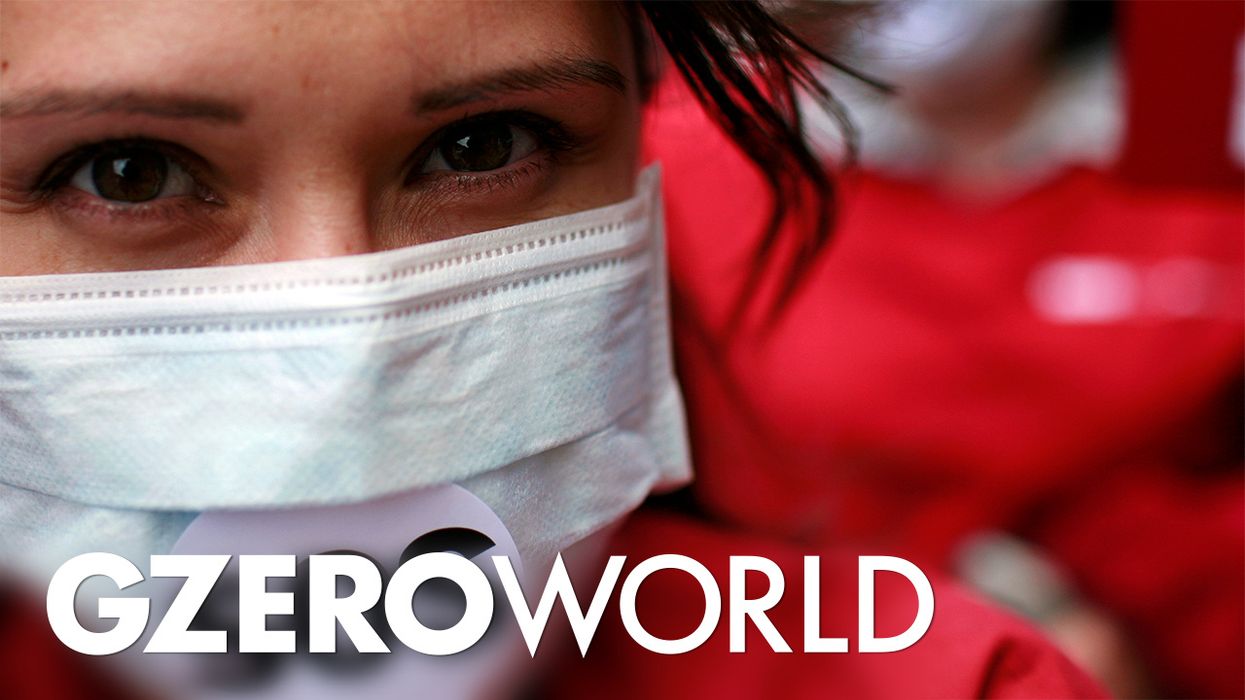
Listen: The "Spanish flu" virus of 1918 killed an estimated 50 million people, more than all the deaths in World War I combined. While global public health efforts have greatly improved mortality rates in more modern outbreaks, experts say the next pandemic is a matter of "when," not "if." In this episode, Ian Bremmer takes a look how diseases spread and become global. His guest, Dr. Anthony Fauci, is a leading epidemiologist and director of the National Institute of Allergy and Infectious Diseases at the NIH.

Transcript

Listen: The "Spanish flu" virus of 1918 killed an estimated 50 million people, more than all the deaths in World War I combined. While global public health efforts have greatly improved mortality rates in more modern outbreaks, experts say the next pandemic is a matter of "when," not "if." In this episode, Ian Bremmer takes a look how diseases spread and become global. His guest, Dr. Anthony Fauci, is a leading epidemiologist and director of the National Institute of Allergy and Infectious Diseases at the NIH.


Dr. Fauci breaks down some of the biggest health threats facing the world today: HIV/AIDS, Ebola, malaria, tuberculosis, influenza, and the recent rise in cases of measles brought on by the misguided anti-vaccine movement.

Also on the show: Five years after his Ebola diagnosis made international news, NYC's Dr. Craig Spencer tells GZERO Media what he learned from the experience and what his life is like today.
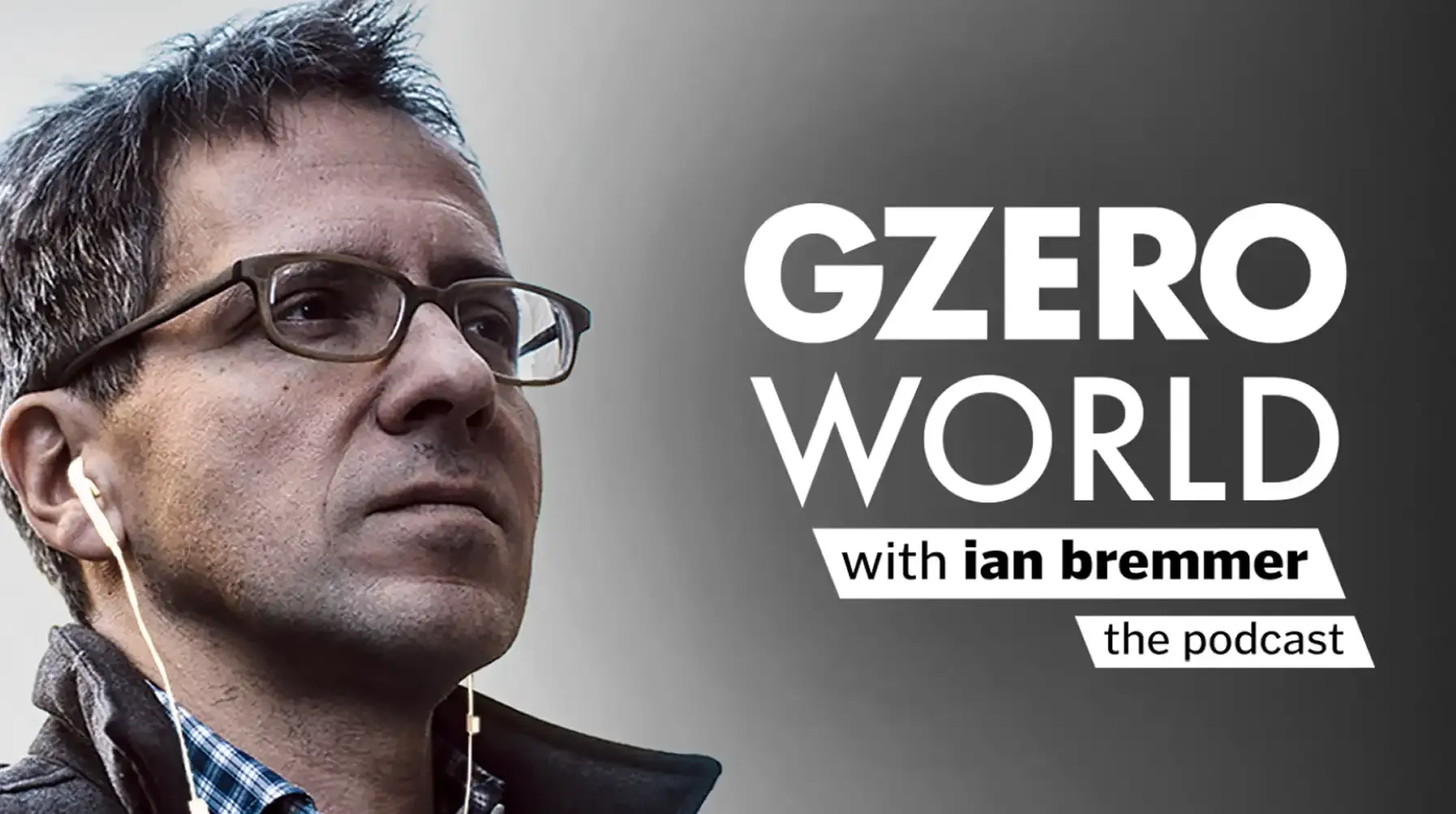
Subscribe to the GZERO World Podcast on Apple Podcasts, Spotify, Stitcher, or your preferred podcast platform, to receive new episodes as soon as they're published.

Next Page

More from GZERO World Podcast

The human cost of AI, with Geoffrey Hinton


Computer scientist and Nobel laureate Geoffrey Hinton joins Ian Bremmer on the GZERO World podcast to talk about artificial intelligence, the technology transforming our society faster than anything humans have ever built. The question is: how fast is too fast? Hinton is known as the “Godfather of AI.” He helped build the neural networks that made today’s generative AI tools possible and that work earned him the 2024 Nobel Prize in physics. But recently, he’s turned from a tech evangelist to a whistleblower, warning that the technology he helped create will displace millions of jobs and eventually destroy humanity itself.

Keep reading...Show less

Computer scientist and Nobel laureate Geoffrey Hinton joins Ian Bremmer on the GZERO World podcast to talk about artificial intelligence, the [...]

More >

Gaming out a US-Venezuela war with ambassador James Story

The Trump administration is ramping up pressure on Venezuela, with the USS Gerald R. Ford deployed to the region, CIA covert operations approved by the White House, and strikes on suspected narco‑trafficking vessels attributed to Caracas. Many analysts now see regime change as the ultimate goal. On the GZERO World Podcast, Ian Bremmer and former US Ambassador James Story game out what a US intervention in Venezuela might look like—and more importantly, how the US would manage the aftermath.

Keep reading...Show less

The Trump administration is ramping up pressure on Venezuela, with the USS Gerald R. Ford deployed to the region, CIA covert operations approved by [...]

More >

Tap and go: The future of urban mobility

Listen: As populations grow and communities evolve, transportation authorities and urban infrastructure are seeking ways to modernize.

In this episode of “Local to global: The power of small business,” host JJ Ramberg sits down with Chapin Flynn, Senior Vice President of Transit and Urban Mobility at Mastercard, and Mark Langmead, Director of Revenue & Compass Operations at TransLink in Vancouver, to explore how cities are making transit easier, faster, and more seamless for riders–an approach known as frictionless urban mobility.

Keep reading...Show less

Listen: As populations grow and communities evolve, transportation authorities and urban infrastructure are seeking ways to modernize.In this episode [...]

More >

Andrew Ross Sorkin says the next financial crisis is coming

In 1929, unchecked speculation and economic hype helped fuel the worst financial crash in modern history. Nearly a century later, New York Times journalist and CNBC anchor Andrew Ross Sorkin sees troubling parallels. On the GZERO World podcast, he joins Ian Bremmer to talk about his new book, "1929: Inside the Greatest Crash in Wall Street History—and How It Shattered a Nation," and whether today’s economy is headed for another cliff.

Keep reading...Show less

In 1929, unchecked speculation and economic hype helped fuel the worst financial crash in modern history. Nearly a century later, New York Times [...]

More >

GZERO Podcasts

Computer scientist and Nobel laureate Geoffrey Hinton joins Ian Bremmer on the GZERO World podcast to talk about artificial intelligence, the [...]

More >

Listen: What does global energy transition look like in a time of major geopolitical change, including rebalancing of trade? In this special episode [...]

More >

Listen: Creating artificial human retinas in zero gravity. Mining rare minerals on the moon. There seems to be no limit to what could be possible if [...]

More >

Egyptians are voting this month in parliamentary elections that aren’t expected to change who’s in charge, but could allow President Abdel Fattah [...]

More >

Transcript Listen: “The equivalent of what we spent in World War II was spent in the course of a year and a half to support the US economy, and that [...]

More >

Listen: Investing in health and science research isn’t just about curing diseases. It has huge impacts across society, from creating jobs to driving [...]

More >

Listen: As populations grow and communities evolve, transportation authorities and urban infrastructure are seeking ways to modernize.In this episode [...]

More >