This week, the World Health Organization’s governing body agreed to begin multinational negotiations on an agreement that would boost global preparedness to deal with future pandemics. The WHO hopes that its 194 member countries will sign a treaty that helps ensure that the global response to the next pandemic is better coordinated and fairer.
The specifics remain to be negotiated over the coming months – and maybe longer – but the stated goal of those who back this plan is a treaty that will commit member countries to share information, virus samples, and new technologies, and to ensure that poorer countries have much better access than they do now to vaccines and related technologies.
Crucially, backers of the treaty insist it must be “legally binding.”
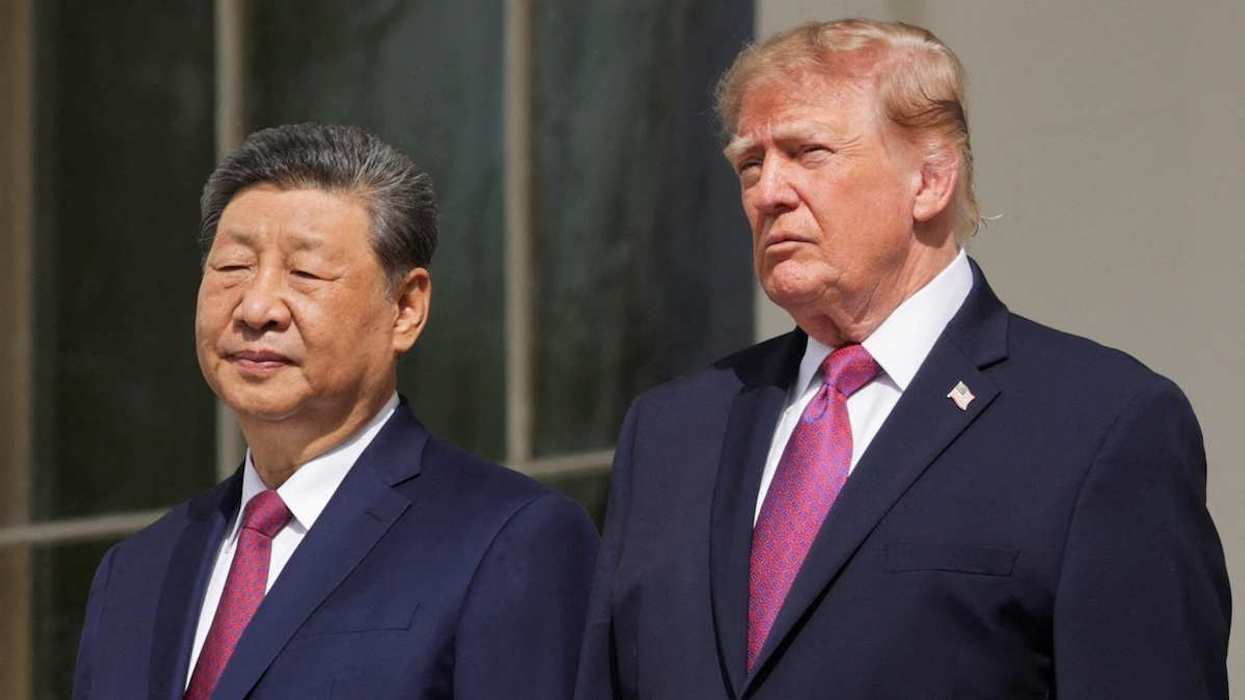
Let’s start with the most obvious obstacles to success. While many European governments support this effort, the US and China will want to weaken its provisions, though for different reasons.
In Washington, ratification of any treaty depends on a vote of the US Senate, a body historically unsympathetic to any plan that requires a surrender of US sovereignty to an international body like the WHO.
In Beijing, China’s tense relations with the WHO over access to COVID-related information suggests that officials won’t commit to provide outsiders with unfettered access to suspected sites of outbreaks, to politically sensitive information, or to the Chinese citizens who have that information.
Neither government wants to look like THE obstacle to progress on pandemic preparedness, so both will participate. But Washington and Beijing will each work to produce an agreement that lacks the “teeth” that proponents insist a treaty will need.
Even if the US and China were to agree to a document that’s legally binding, how much confidence can anyone have that rules will be observed in an actual emergency or that those who resist can be held to account?
This problem surely sounds familiar. We live in a GZERO world, one in which the most powerful states don’t share political values or priorities.
Everyone can agree that cyber security is a common problem, but the major powers won’t accept a truly binding set of rules on the use of cyber-weapons.
Governments of the world’s leading economies agree on the need to reduce carbon emissions to “net zero” as quickly as possible, but the US, EU, China, India and others don’t agree on how to share the sacrifices needed to reach that common goal.
Add the historically large and growing number of refugees crossing boundaries in every region of the world. Few governments are willing to shoulder the economic costs and domestic political risks that come with accepting responsibility for their fate. The inability to manage borderless problems like climate change and global inequality of opportunity means the number of migrants will continue to grow in coming years.
Unfortunately, every country now faces these urgent threats that aren’t bound by borders.
None of this means that pandemic conventions and climate summits are a waste of time. Incremental progress toward multinational problem-solving is far better than none at all, and today’s failures can point governments toward more effective, and easier-to-reach, solutions next year.
These gatherings themselves add public pressure on governments to take actions they might not otherwise take. They also bring together private-sector leaders, scientists, activists and others who can offer solutions in some areas that governments won’t go.
The bottom-line: We should never expect grandiose political promises to be kept, but nor should we ignore the reality that incremental progress and new ideas can take on a life of their own.