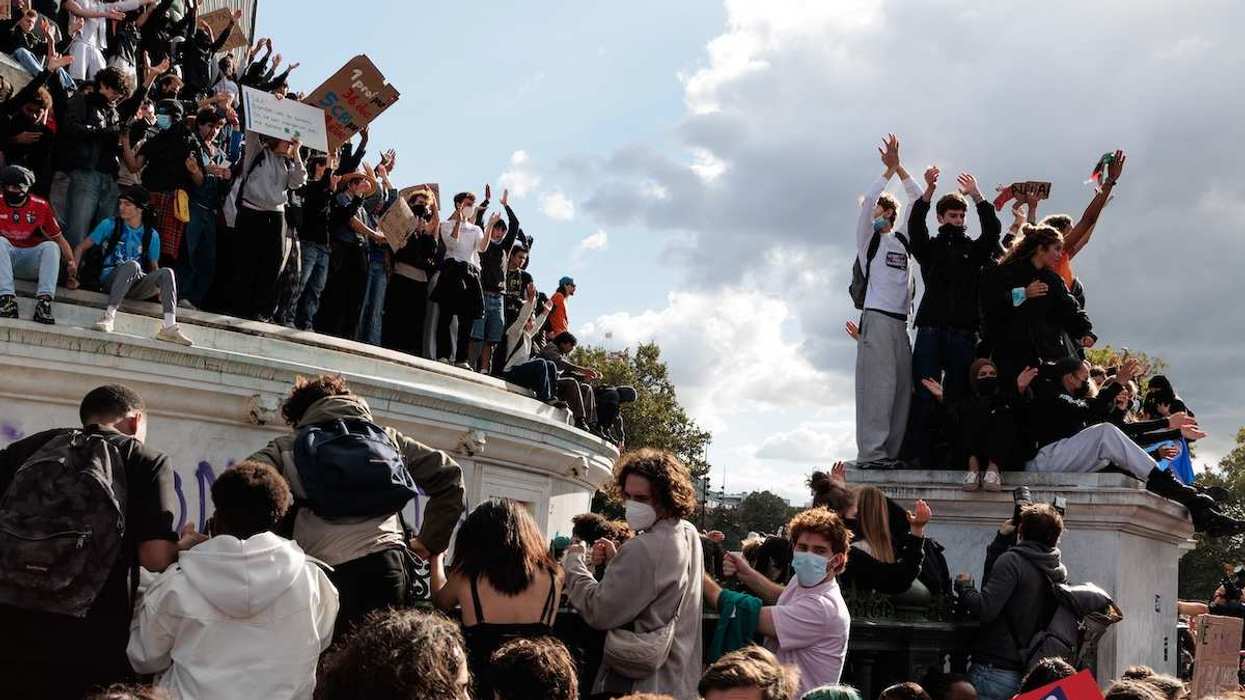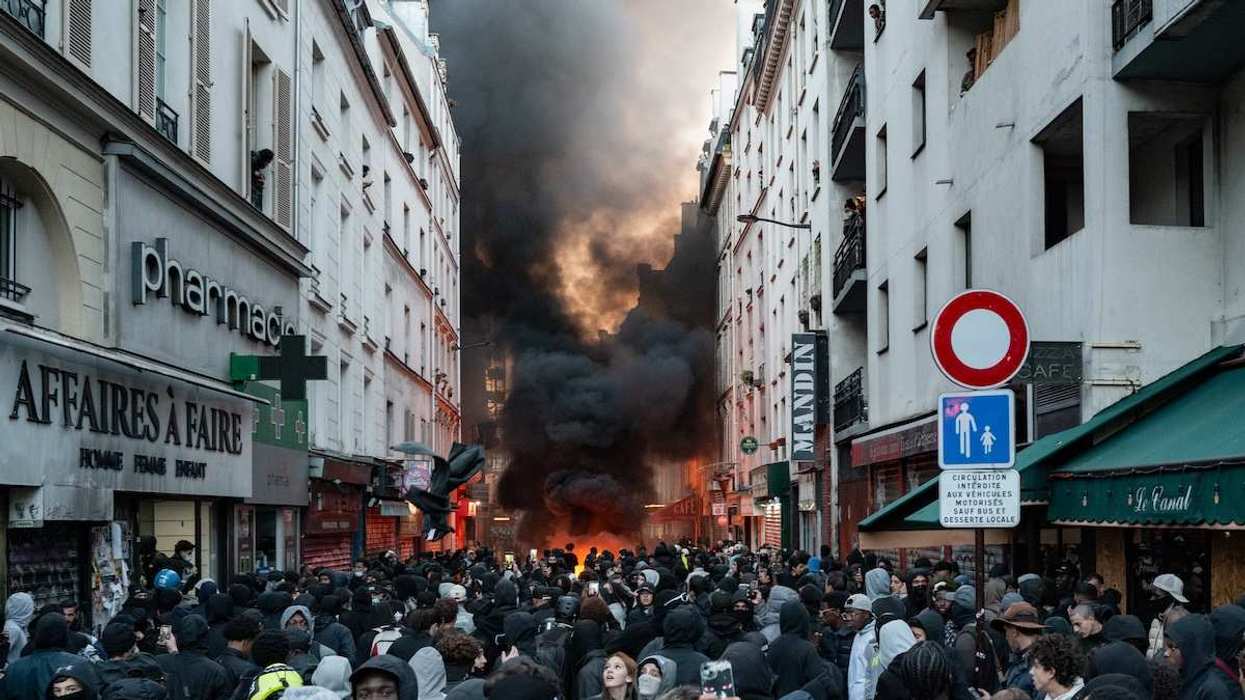
In recent weeks, thousands of young people across Sudan have taken to the streets in protest against strongman Omar al-Bashir, the leader of one of the world's most repressive governments.
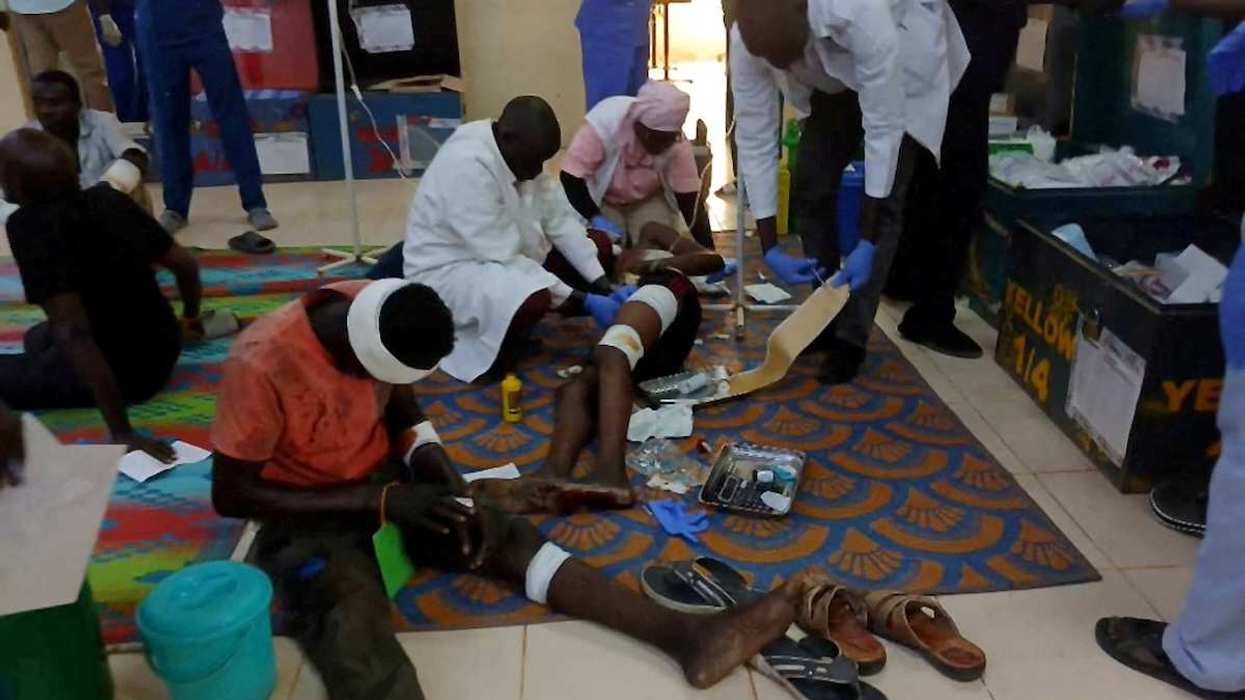
While the protests were initially sparked by economic issues – inflation in Sudan is currently running around 70 percent – a brutal crackdown has helped stoke broader popular demands for Mr. Bashir's resignation.
Mr. Bashir, a former paratrooper, is a wily and brutal survivor. He first took power 29 years ago in a coup backed by Islamic fundamentalists, and immediately dialed up the Arab-dominated government's long-running war against black and predominantly Christian separatists in the country's oil rich South. By the time that war fully ended with the South's internationally-brokered secession in 2011, more than 2 million people had been killed.
Even as that war was winding down, Bashir crushed a rebellion in the Western Sudanese region of Darfur with such brutality that he became the first sitting head of state to be indicted by the International Criminal Court for war crimes and genocide. Tight US sanctions imposed in 1997 over human rights abuses and support for terrorism (Osama bin Laden briefly called Sudan home) helped him burnish his image as a populist defender of his people against a neo-colonial West.
In 2013, he crushed a street movement in the capital that was inspired by the Arab Spring. But this time around protests appear more sustained and widespread, even if they lack coherent leadership and structure. And stripped of the cash that South Sudan's oil fields once pumped into Khartoum, Bashir has much less room to prop up a badly mismanaged economy, even with the help of Gulf Arab allies.
In addition, the removal of long-standing US sanctions in 2017 exposed the deeper rot of Sudan's economy while stripping Bashir of one of his go-to excuses for economic hardship.
The future of Africa's largest country, and one of its most turbulent, may be about to take another historic turn.
Musical interlude: The rich history of Sudanese music over the past century offers an extraordinary way to understand the political, cultural, and global forces that have shaken and shaped the country. For those of you into this sort of thing, this Afro-Pop Worldwide podcast is a mindblower.