GZERO World Clips
The US can’t let Iran get any closer to nuclear weapons, says Iran expert Ali Vaez
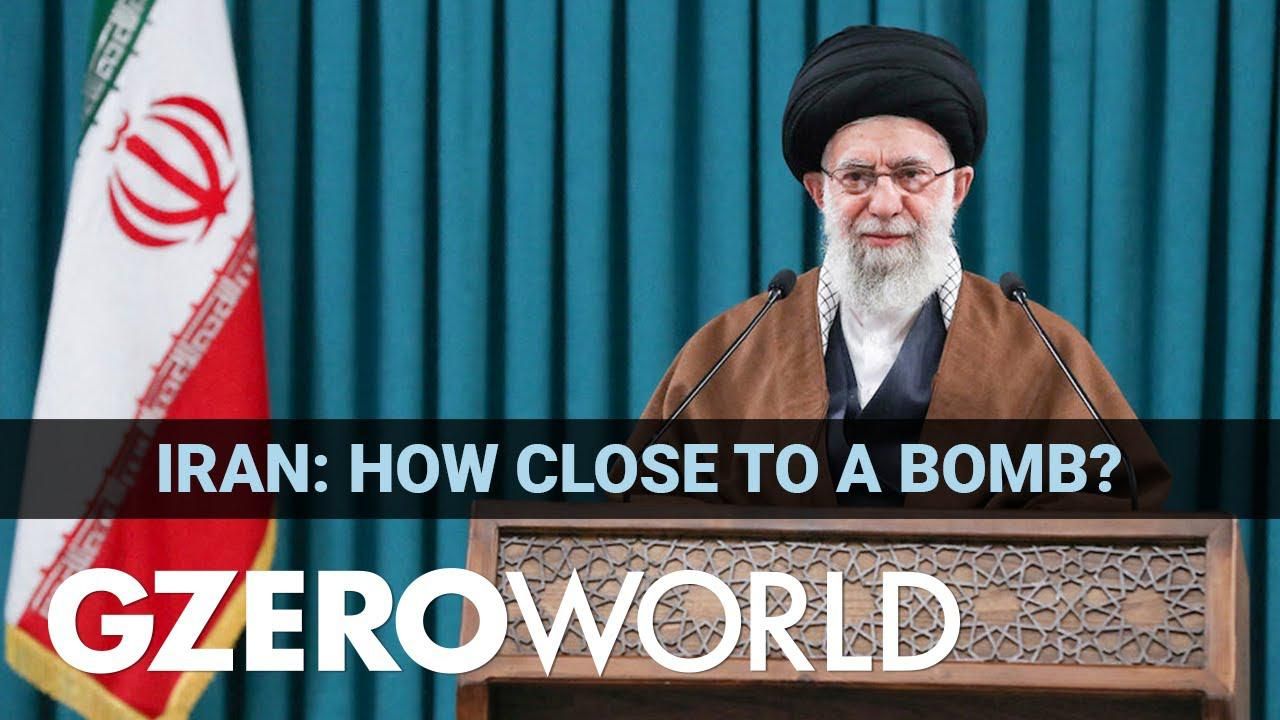
The US Can’t Let Iran Get Any Closer to Nuclear Weapons, Says Iran Expert Ali Vaez | GZERO World
Even if the US rejoins the Iran nuclear deal, many Republicans are fiercely opposed to it — and could withdraw again in 2025 if they win the White House in two years.
Why do it at all then? Ali Vaez, Iran program director at the International Crisis Group, has some thoughts.
For one thing, it'll buy us nine years before the Iranians can enrich enough uranium for a nuke. For another, now we know the real effect of pulling out: it boosted Iran's nuclear program.
What's more, if the US withdraws for a second time, Vaez says the terms of the deal will leave Tehran where it is today: "uncomfortably close to nuclear weapons."
How close? Well, he says, in a matter of four weeks the Iranians could enrich enough uranium to be 99% of the way to weapons-grade.
A single weapon is not an arsenal, but Vaez thinks that's still "too much of a risk and ... too uncomfortable for Israel and the US."
Watch the GZERO World episode: Iran nuclear deal 2.0, or war?
In his latest Quick Take, Ian Bremmer examines the stability of US-China relations and why he believes the period of relative calm between the two countries may be coming to an end.
Prime Minister Anutin Charnvirakul quickly responded by vowing tougher gun-control legislation and a renewed crackdown on illegal weapons.
Check out the latest swag from the official Puppet Regime merchandise store! Browse an array of products that will show the world you are a devoted subject of the Regime, including: A big, beautiful mug for drinking coffee very strongly, A handsome tote bag to carry your favorite classified documents, Collectible stickers, Stylish t-shirts and hoodies – now also available in pink. We ship worldwide! Shop now at shop.puppetregime.tv!
US-backed negotiations are opening a possible path to democratic elections in Venezuela – even as the country’s most popular opposition leader remains outside the room.