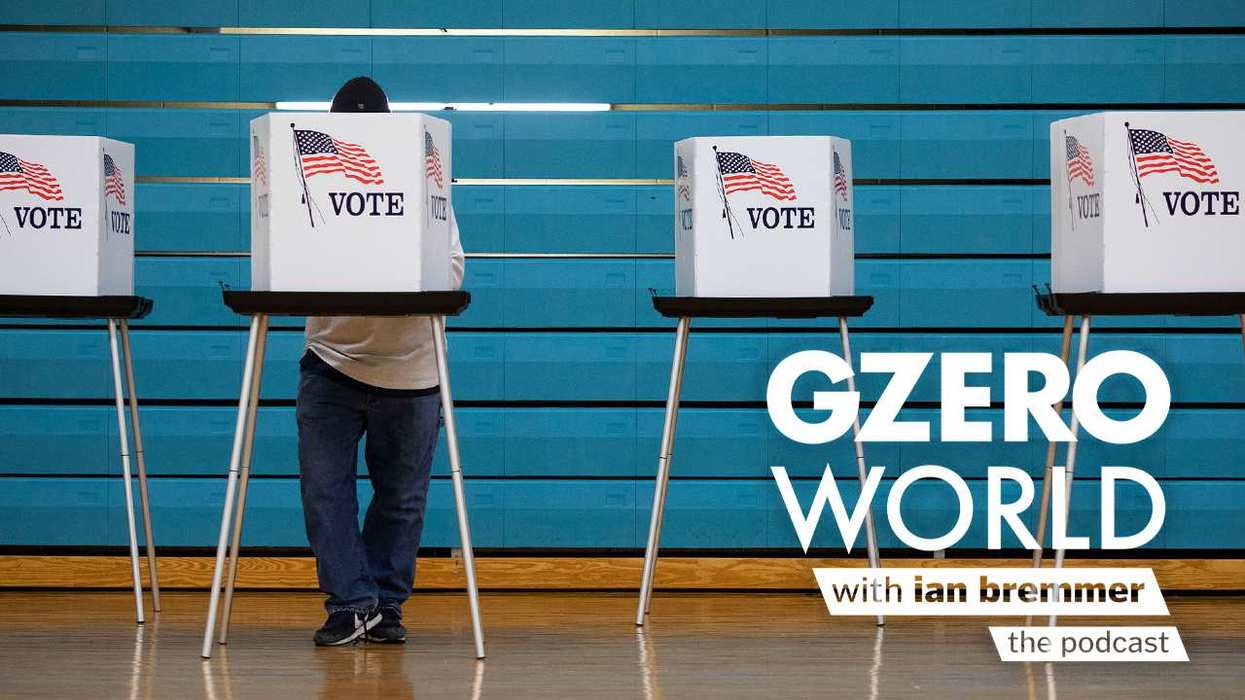
On Wednesday, Angolans will go to the polls to vote in the most competitive parliamentary and presidential election since the oil-rich country’s 27-year civil war ended 20 years ago.
For the first time, the opposition UNITA party has a shot at (peacefully) beating the ruling MPLA party, which has governed Angola throughout its entire independent history. But the MPLA has no plans of handing over the reins to its longtime enemy — whatever voters decide.
Why does this election matter? For one thing, the former Portuguese colony in southwestern Africa has a long history of internal strife. Its 1975-2002 conflict began as a proxy fight during the Cold War, with the Soviets and Cuba backing the MLPA and the US and apartheid South Africa supporting UNITA.
The 1990s saw Paul Manafort (!) lobby Washington on behalf of UNITA leader Jonás Savimbi. In the early 2000s, China entered the fray by offering the cash-strapped MLPA huge loans in exchange for crude to fuel the Chinese economic boom. By the time it ended with Savimbi's death, Angola’s civil war had already spilled over into the neighboring DRC and internally displaced over a million people.
But Angola is really a big deal because it’s literally swimming in offshore oil and natural gas. In May, it briefly overtook Nigeria as Africa's top oil producer, and Europe wants to buy more Angolan crude and gas to diversify its energy options away from Russia.
Yet Angola is hardly tying its fortunes to the West. It’s one of the 17 African countries that abstained in the UN vote over Russia's invasion of Ukraine, partly due to the MPLA’s longstanding ties with Moscow. Luanda is also so deep in the red with Beijing that a big chunk of its crude revenues go toward paying off Chinese loans. China is by far Angola’s No. 1 oil customer, accounting for almost three-quarters of its crude exports in 2020.
The ruling party's candidate is milquetoast President João Lourenço, who took over in 2017 after longtime strongman José Eduardo dos Santos stepped down. Dos Santos died last week in Spain, and his body arrived this weekend in Luanda — just in time to grab media attention away from the vote.
Lourenço's main pitch to voters is that the economy has done well on his watch due to high oil prices and big infrastructure spending. But he's waffled on his promise to end the rampant corruption of his predecessor.
(Dos Santos' oil-soaked kleptocracy was the stuff of legend. In 2013, his daughter Isabel became Africa's richest woman … until last year, when Forbes magazine dropped her from the list after most of her assets had been seized or frozen by Lourenço's government and some European countries.)
Meanwhile, UNITA leader Adalberto Costa Júnior is regarded as a breath of fresh air. Costa Júnior — famous for his slick social media videos to appeal to young voters — promises transparency, separation of powers, and more social spending in a country where one-third of the population lives in poverty despite the vast oil wealth.
His message is resonating with the electorate, says Eurasia Group analyst Shridaran Pillay: “For the first time in Angolan history, the opposition has provided voters [with] something to consider.”
With a tight result all but assured, the MPLA is putting its thumb on the scale to keep Lourenço in power. The ruling party has appointed most members of the (technically independent) national electoral commission, which has banned the opposition from running as a single party. With the MPLA calling all the shots, the process will be anything but free and fair.
If, as expected, Lourenço wins in what is perceived to be a rigged vote or Costa Júnior does but his victory is overturned, the opposition will likely challenge the result in court. Protests will follow, but we probably won't see post-election violence on a scale that would trigger a national uprising.
Lourenço "has been far less heavy-handed with protesters" than Dos Santos was, "which we expect to continue as he seeks endorsement from the international community," says Pillay. Still, the president won't hesitate to respond with force if he feels threatened — as he did in October 2021, when pro-democracy activists took to the streets to protest the changes in the electoral law.
If things do go south, expect Brussels and Beijing to react differently. Unrest following a disputed MPLA victory "would likely have a greater effect on the relationship with the EU than with China because of the human rights angle," explains Pillay, "but it could also see oil majors pull back from Angola."