Last Thursday, Brazil’s Supreme Court delivered a historic verdict: Jair Bolsonaro, the far-right former president who tried to overturn the 2022 election, was convicted along with seven close allies for conspiring against democracy and plotting to assassinate his rivals, including President Lula. Bolsonaro was sentenced to 27 years in prison and barred from office until 2060. At 70, he will likely spend his remaining years behind bars. (Though if he makes it to 105, he might still be viable in American politics.)
The decision was hardly surprising – the only thing unexpected was Justice Luiz Fux's dissent in the five-judge panel. The evidence against Bolsonaro was overwhelming, making a successful appeal unlikely. This marks the first time in Brazil’s history that a coup plotter has been brought to justice – a staggering win for the rule of law in a country that only returned to democracy in 1985 after two decades of military dictatorship.
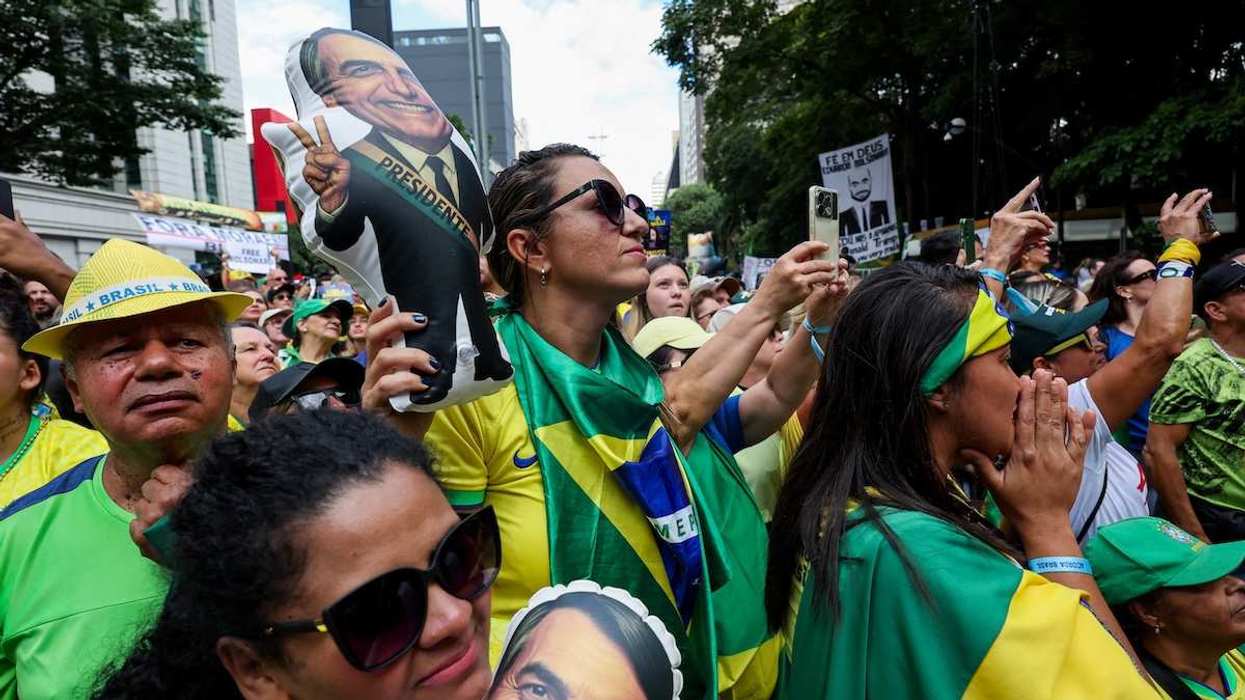
But anyone expecting this moment to turn the page on the radical polarization of the Bolsonaro era and heal Brazil’s political wounds is in for a rude awakening. If anything, the ruling will deepen Brazil’s existing divides and further erode trust in institutions – courts, the media, political parties – heading into next year’s presidential election. The country remains as hopelessly divided as ever, with 51% of Brazilians approving the conviction while 43% see it as political persecution – reflecting partisan opposition to and support for Bolsonaro.
And also no surprise: US President Donald Trump is pouring gasoline on the fire. Bolsonaro’s friend and ideological ally has called the trial a “witch hunt” and weaponized American leverage to bully Brazil into dropping the charges. Even before the verdict came down, the White House had slapped 50% tariffs on Brazilian goods, revoked travel visas for government officials and Supreme Court justices, and hit Alexandre de Moraes – the lead judge on the case – with Magnitsky sanctions typically reserved for the world’s worst human-rights abusers. Following the conviction, Secretary of State Marco Rubio promised America would "respond accordingly" to what he called an "unjust" ruling. More visa suspensions, expanded Magnitsky sanctions, and potential penalties against state-owned Banco do Brasil are on the way.
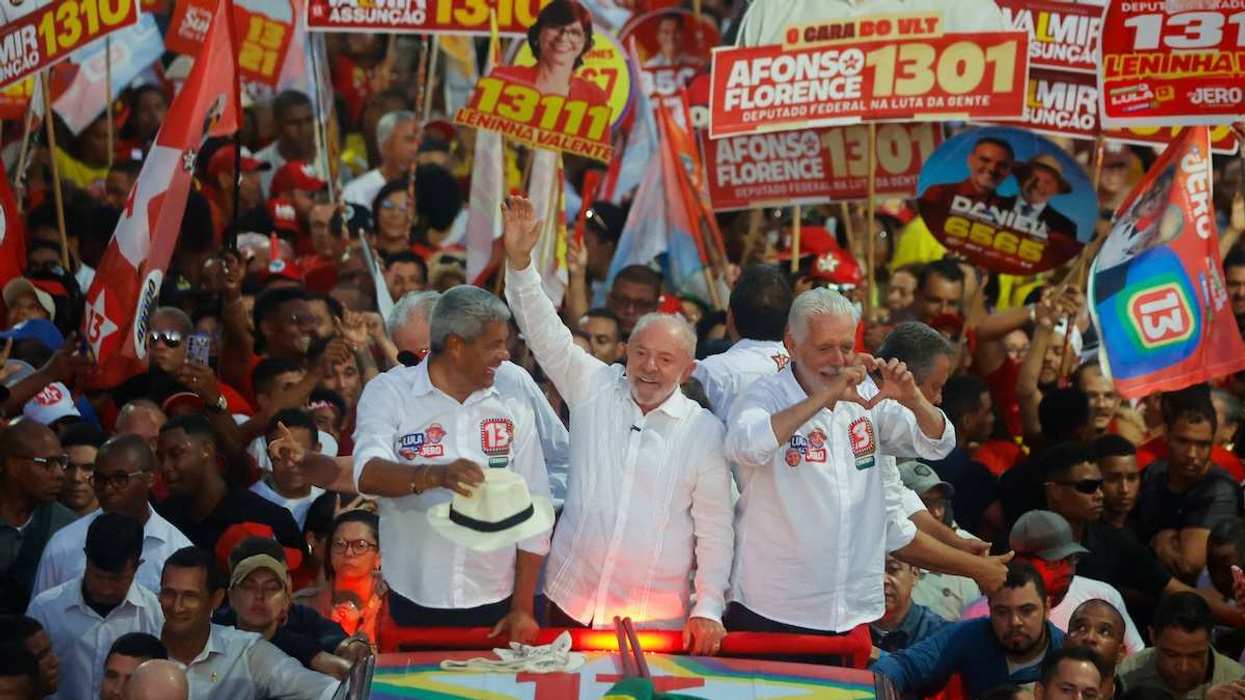
But Trump's attempts to help Bolsonaro will continue to do the exact opposite. The ex-president’s son Eduardo, a congressman close to Steve Bannon who moved to Texas and has been lobbying the White House for tougher measures against his own country, is now hugely unpopular at home and faces potential criminal charges. By contrast, President Lula has seized the moment to rally Brazilians around the flag, casting himself as the defender of national sovereignty against Trump and the Bolsonaro clan. His defiance has boosted his popularity and, together with easing inflation, makes him a narrow favorite heading into 2026.
Meanwhile, both countries will lose as US-Brazil relations sink further, especially if Lula’s retaliation leads to a tit-for-tat escalatory spiral. But Brasilia, like most other world capitals, is already hedging away from US leverage – deepening ties with Europe, China, the Middle East, Mexico, Canada, and potentially ASEAN to make sure Washington is less able to hurt it in the future (more on this here). The ultimate casualty may be the century-old partnership between the Western Hemisphere's two largest democracies.
What about a get-out-of-jail-free card? Bolsonaristas have been pushing for an amnesty bill that would pardon everyone involved in the January 8 coup attempt, including the former president. But the bill faces (very) long odds. Never mind that more than half of Brazilians oppose full clemency for Bolsonaro – so does most of the Senate leadership. Plus, the Supreme Court has already signaled that crimes against democracy aren’t pardonable, rendering any blanket amnesty law unconstitutional. Lawmakers might agree to reduce sentences for the 1,600 rank-and-file Jan. 8 rioters in order to break the current congressional deadlock. But, for now at least, Bolsonaro and his inner circle look set to do serious time.
And yet, even from behind bars, the ex-president will remain the undisputed leader of the opposition. He’s still competitive with Lula in hypothetical head-to-head polls, and his martyr status with his base guarantees he’ll be the kingmaker of the Brazilian right in 2026. Whoever he anoints to succeed him will almost certainly make it to the run-off. His goal will be to install someone who is likely to both beat Lula and secure his freedom.
But wait – didn’t I just say that Bolsonaro can’t be pardoned? Yes, but here’s the twist: Though the current Supreme Court says pardons for anti-democratic crimes are unconstitutional, the next president will have a chance to reshape the court’s composition, and Justice Fux's dissenting vote suggests that a different court might view the ex-president’s case more favorably. That means Bolsonaro’s path to freedom may depend less on today’s legal rulings than on the outcome of the next election.
So, who will get the nod to lead the right in 2026? Bolsonaro is torn between loyalty and electability. His first choice, a family member (whether one of his three sons or his wife, Michelle), guarantees the former but is a tougher sell to swing voters, especially given their associations with Trump's politically toxic penalties. The other option is São Paulo Governor Tarcísio de Freitas, who has real national appeal and polls better against Lula. Popular, pragmatic, and disciplined, Freitas has been making all the right noises for the convicted ex-President, criticizing the court, pushing Congress for amnesty, and vowing to pardon Bolsonaro on day one. Justice Fux’s dissent strengthens the case, however thin, for Freitas to argue that he’s better placed to negotiate a future pardon with a reconstituted Supreme Court and therefore that he’s Bolsonaro’s best shot at freedom.
Yet Bolsonaro also knows that if Freitas backtracks on his promise or his pardon hits a judicial wall, the former president could be left to rot in jail while his successor consolidates power. That’s why, even if Freitas looks like the logical choice today, Bolsonaro will likely keep his cards close to his chest right up to the filing deadline, when he could go either way.
Brazil’s democracy emerged from its coup attempt stronger than before. Institutions held firm, justice was served, and the rule of law carried the day. That’s more than the United States can say. But it’s only half the battle. Courts can send a former president to prison; they can’t send him into political oblivion or unite a country that’s split right down the middle. Bolsonaro may spend the rest of his life behind bars, but his influence – and the nation’s bitter divides – will continue to shape Brazilian politics for years to come.