Skip to content
Search

Latest Stories

GZERO AI

Hard Numbers: Could Microsoft buy TikTok?, Get me the Operator, Meta and ByteDance spend on AI, ElevenLabs’ billions, Ready for “Humanity’s Last Exam”?

A 3D-printed miniature model of U.S. President-elect Donald Trump and TikTok logo are seen in this illustration. ​

A 3D-printed miniature model of U.S. President-elect Donald Trump and TikTok logo are seen in this illustration.

REUTERS/Dado Ruvic/Illustration/File Photo

2020: Microsoft is in talks to acquire TikTok, according to President Donald Trump. If that rings a bell it’s because Microsoft sought to buy the social media app in 2020, the last time Trump tried to ban the app. The deal fell through, and Microsoft CEO Satya Nadella later called the attempted TikTok takeover the “strangest thing I've ever worked on.” This time around, all the company has said on the matter is that it “has nothing to share at this time.” Meanwhile, Trump has also nodded to there being “great interest in TikTok” from several companies.

200: OpenAI announced Operator, its AI “agent,” in an experimental “research preview,” on Thursday. The point is that this model can not only chat with you but can actually perform tasks for you, like booking a restaurant reservation or ordering food for delivery. It’s currently available to subscribers of ChatGPT Pro, a $200-a-month subscription.


65 billion: Meta said Friday it expects to spend up to $65 billion in 2025, up from $40 billion in 2024, to fuel its growing AI ambitions. Meanwhile, TikTok’s Chinese parent company ByteDance has reportedly earmarked $21 billion, including $12 billion on AI infrastructure.

3 billion: The AI voice-cloning company ElevenLabs has raised a new $250 million funding round announced Friday that values it at around $3 billion. We tried out ElevenLabs’ software last year to clone our author’s voice and translate it into different languages.

3,000: Researchers at the Center for AI Safety and Scale AI released “Humanity’s Last Exam” on Thursday, a 3,000-question multiple-choice and short-answer test designed to evaluate AI models’ capabilities. With AI models succeeding at most existing tests, the researchers strived to create one that will be able to stump most — or at least show when they’ve become truly superintelligent. For now, they’re struggling: All of the current top models fail the exam with OpenAI’s o1 model scoring the highest at 8.3%.

More For You

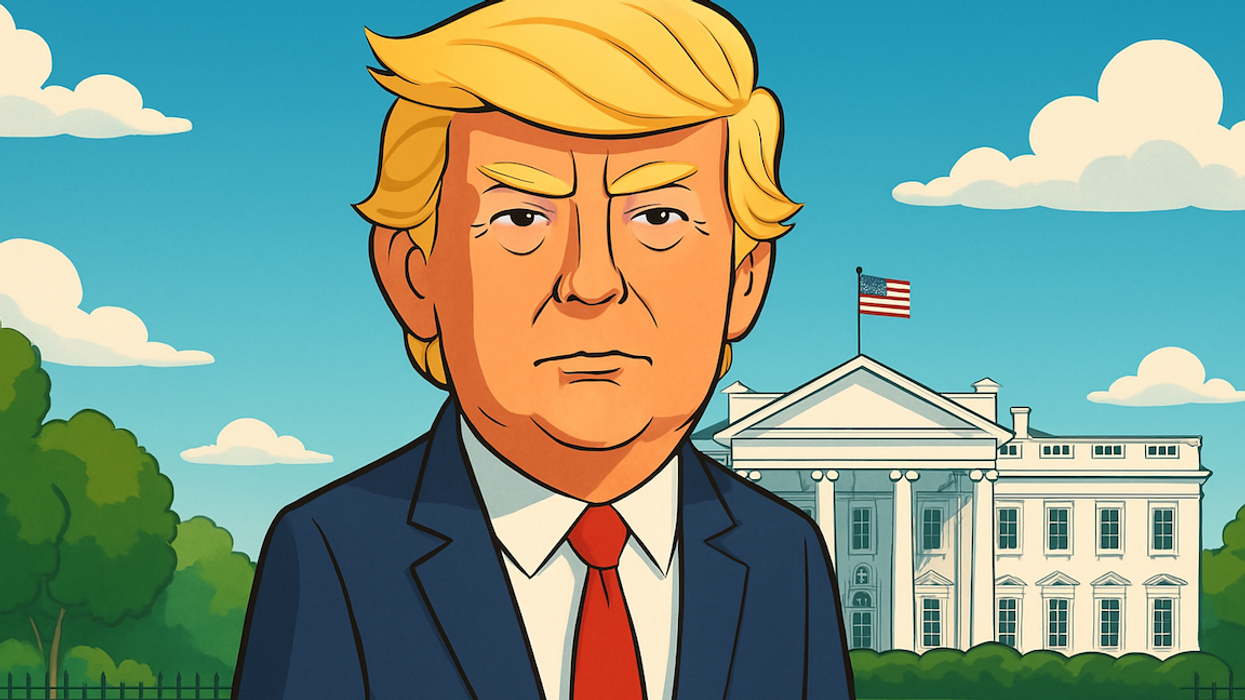
What we learned from a week of AI-generated cartoons
Courtesy of ChatGPT
Last week, OpenAI released its GPT-4o image-generation model, which is billed as more responsive to prompts, more capable of accurately rendering text, and better at producing higher-fidelity images than previous AI image generators. Within hours, ChatGPT users flooded social media with cartoons they made using the model in the style of the [...]
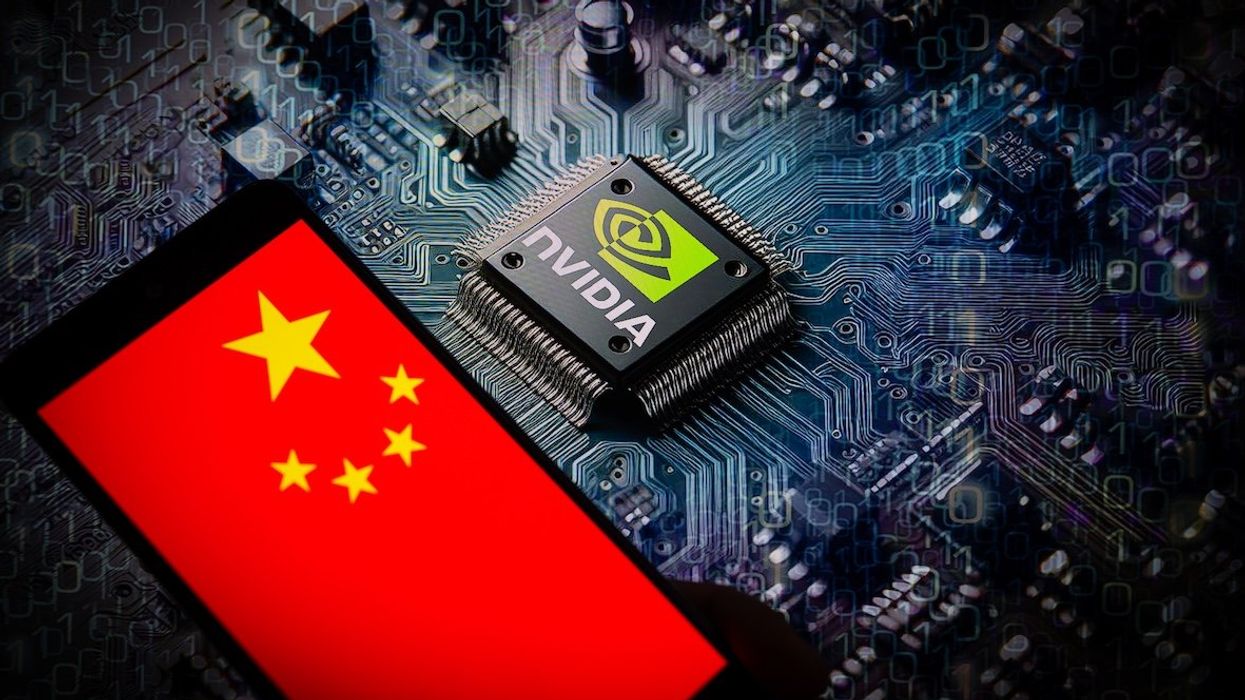
The flag of China is displayed on a smartphone with a NVIDIA chip in the background in this photo illustration.

The flag of China is displayed on a smartphone with a NVIDIA chip in the background in this photo illustration.

Jonathan Raa/NurPhoto via Reuters
H3C, one of China’s biggest server makers, has warned about running out of Nvidia H20 chips, the most powerful AI chips Chinese companies can legally purchase under US export controls. [...]
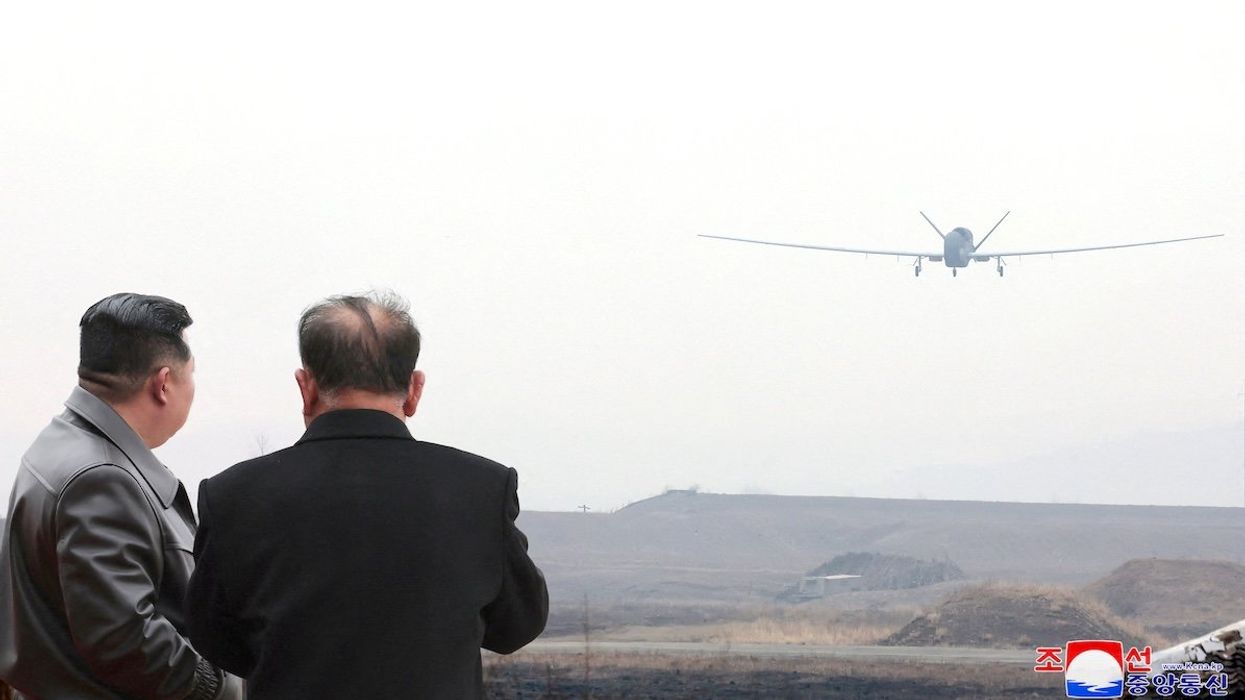
​North Korean leader Kim Jong Un supervises the test of suicide drones with artificial intelligence at an unknown location, in this photo released by North Korea's official Korean Central News Agency on March 27, 2025.

North Korean leader Kim Jong Un supervises the test of suicide drones with artificial intelligence at an unknown location, in this photo released by North Korea's official Korean Central News Agency on March 27, 2025.

KCNA via REUTERS
Hermit Kingdom leader Kim Jong Un has reportedly supervised AI-powered kamikaze drone tests. He told KCNA, the state news agency, that developing unmanned aircraft and AI should be a top priority to modernize North Korea’s armed forces. [...]
The logo for Isomorphic Labs is displayed on a tablet in this illustration.

The logo for Isomorphic Labs is displayed on a tablet in this illustration.

Igor Golovniov/SOPA Images/Sipa USA via Reuters
In 2024, Demis Hassabis won a Nobel Prize in chemistry for his work in predicting protein structures through his company, Isomorphic Labs. The lab, which broke off from Google's DeepMind in 2021, raised $600 million from investors in a new funding round led by Thrive Capital on Monday. The company did not disclose a valuation. [...]