Skip to content
Search

Latest Stories

GZERO AI

Hard Numbers: Understanding the universe, Opening up OpenAI,  Bioweapon warning, Independent review, AI media billions

This image of NGC 5468, a galaxy located about 130 million light-years from Earth, combines data from the Hubble and James Webb space telescopes.

This image of NGC 5468, a galaxy located about 130 million light-years from Earth, combines data from the Hubble and James Webb space telescopes.

NASA/ESA/CSA/STScI/Adam G. Riess via Reuters

100 million: AI is helping researchers better map outer space. One recent simulation led by a University College London researcher was able to show 100 million galaxies just across a quarter of the Earth’s southern hemisphere sky. This is part of a wider effort to understand dark energy, the mysterious force causing the expansion of the universe.

30,000: The law firm WilmerHale, which completed its investigation of Sam Altman’s brief December ouster from OpenAI, examined 30,000 documents as part of its review. The contents of the report haven’t been made public, but new board chairman Bret Taylor said that the review found the prior board acted in good faith but didn’t anticipate the reaction to removing Altman, who is now rejoining the board. The SEC, meanwhile, is still investigating whether OpenAI deceived investors, but it’s unclear whether WilmerHale will give their findings to the agency.


90: More than 90 scientists have pledged not to use AI to develop bioweapons as part of an agreement forged somewhat in response to congressional remarks given by Anthropic CEO Dario Amodei last year. Amodei said while the current generation of AI technology couldn’t handle such a task, it’s only two or three years away.

100: More than 100 AI researchers have signed an open letter asking the leading companies to allow independent investigators access to their models to ensure that risk assessment is thorough. “Generative AI companies should avoid repeating the mistakes of social media platforms, many of which have effectively banned types of research aimed at holding them accountable,” the letter said.

8 billion: The media company Thomson Reuters says it has an $8 billion “war chest” to spend on AI-related acquisitions. In addition to publishing the Reuters newswire, the company sells access to services like Westlaw, a popular legal research platform. It’s also committed to spending at least $100 million developing in-house AI technology to integrate into its news and data offerings.


More For You

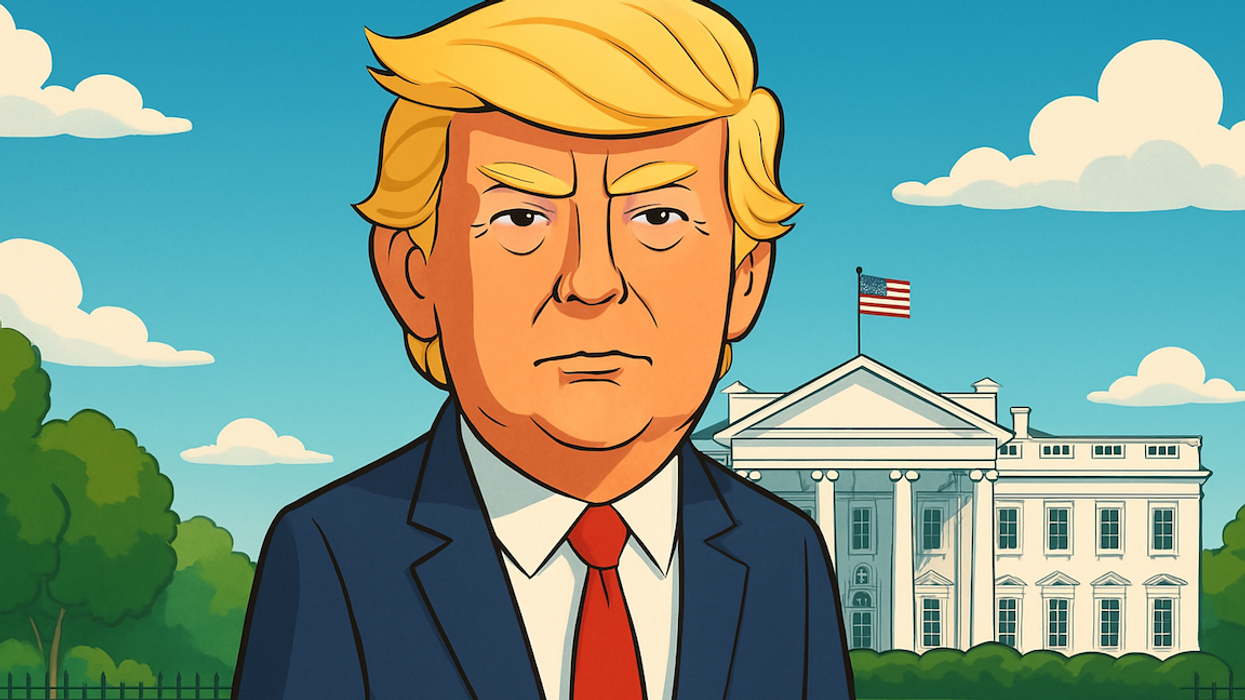
What we learned from a week of AI-generated cartoons
Courtesy of ChatGPT
Last week, OpenAI released its GPT-4o image-generation model, which is billed as more responsive to prompts, more capable of accurately rendering text, and better at producing higher-fidelity images than previous AI image generators. Within hours, ChatGPT users flooded social media with cartoons they made using the model in the style of the [...]
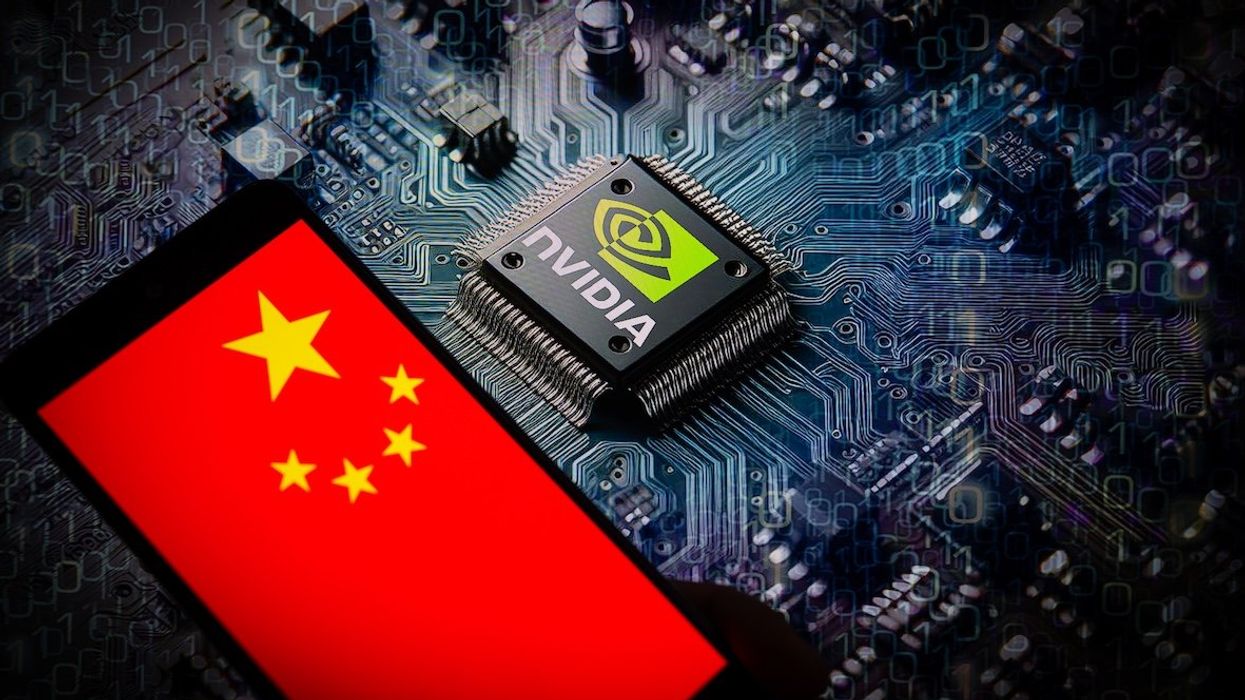
The flag of China is displayed on a smartphone with a NVIDIA chip in the background in this photo illustration.

The flag of China is displayed on a smartphone with a NVIDIA chip in the background in this photo illustration.

Jonathan Raa/NurPhoto via Reuters
H3C, one of China’s biggest server makers, has warned about running out of Nvidia H20 chips, the most powerful AI chips Chinese companies can legally purchase under US export controls. [...]
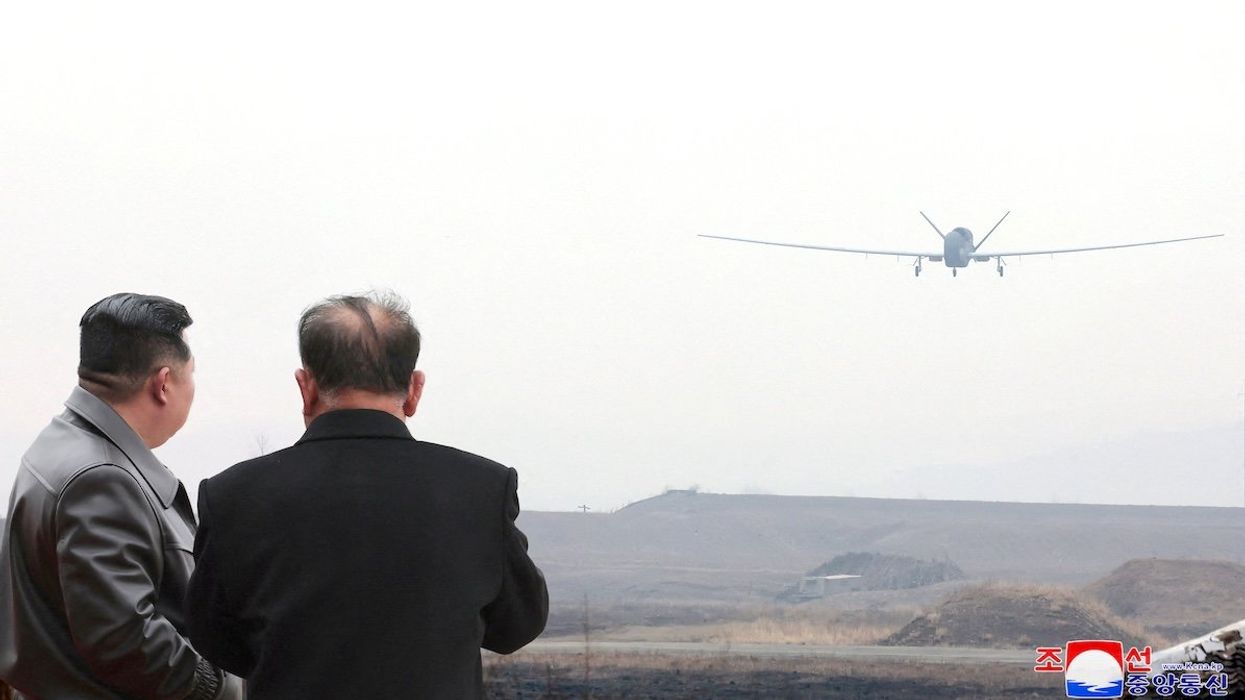
​North Korean leader Kim Jong Un supervises the test of suicide drones with artificial intelligence at an unknown location, in this photo released by North Korea's official Korean Central News Agency on March 27, 2025.

North Korean leader Kim Jong Un supervises the test of suicide drones with artificial intelligence at an unknown location, in this photo released by North Korea's official Korean Central News Agency on March 27, 2025.

KCNA via REUTERS
Hermit Kingdom leader Kim Jong Un has reportedly supervised AI-powered kamikaze drone tests. He told KCNA, the state news agency, that developing unmanned aircraft and AI should be a top priority to modernize North Korea’s armed forces. [...]
The logo for Isomorphic Labs is displayed on a tablet in this illustration.

The logo for Isomorphic Labs is displayed on a tablet in this illustration.

Igor Golovniov/SOPA Images/Sipa USA via Reuters
In 2024, Demis Hassabis won a Nobel Prize in chemistry for his work in predicting protein structures through his company, Isomorphic Labs. The lab, which broke off from Google's DeepMind in 2021, raised $600 million from investors in a new funding round led by Thrive Capital on Monday. The company did not disclose a valuation. [...]