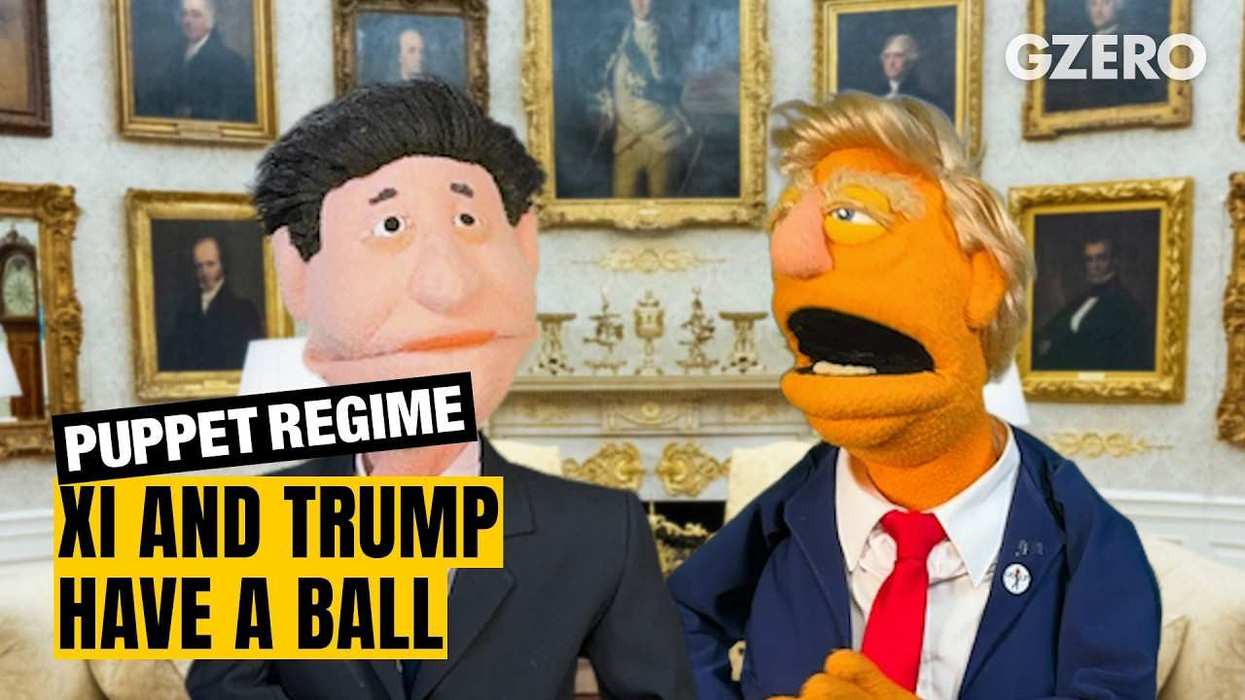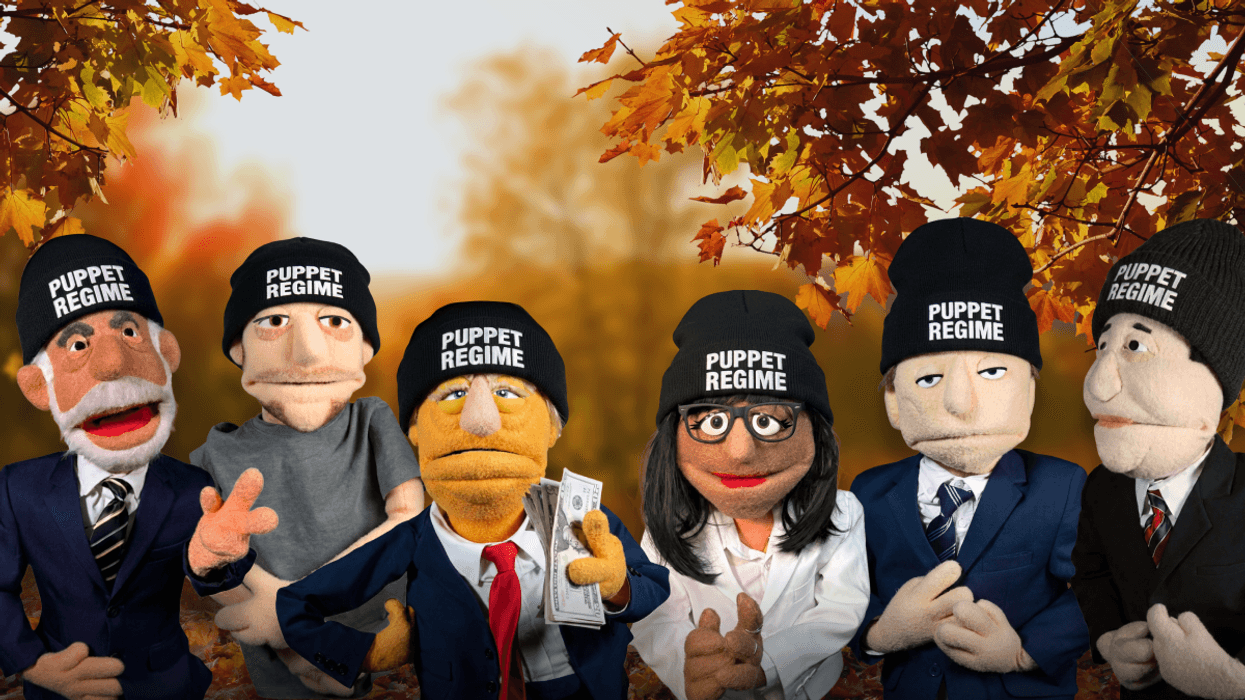
Is there an October surprise that might make or break a president?
The October surprise dates back to President Jimmy Carter, who turned 100 this month and, surprising many, managed to cast his vote for Kamala Harris.
During his 1980 campaign against Ronald Reagan, Carter believed a daring rescue of the 52 hostages that Iranian revolutionaries held after storming the American Embassy on Nov. 4, 1979, would turn things around.
So Carter launched Operation Eagle Claw. On April 24, 1980, eight helicopters and a C-130 plane secretly landed in the desert outside of Tehran to start the rescue operation. It was a colossal failure. Several choppers malfunctioned in a sandstorm and one crashed, killing eight US servicemen. Their bodies were later recovered by the Iranians and used in a sickening public display in Tehran.
Years later, I traveled to Atlanta, Georgia, to interview Carter, and he told me that, in his unequivocal view, had that helicopter not crashed, the hostages would have been rescued, and he would have won the election.
Still, even after Eagle Claw failed, the Reagan campaign feared an “October surprise,” where, at the very last moment, Carter would announce a dramatic arms-for-hostages deal with Iran. It never happened, and the hostages were released under Reagan, but since then, campaigns have braced for a late-breaking event that might change the course of an election.
There have been other examples of October surprises since then. In October 1992, former Defense Secretary Caspar Weinberger was indicted, derailing George H.W. Bush’s reelection bid. And, of course, in October 2016, FBI Director James Comey dropped the news that he was opening up an investigation into Hillary Clinton, helping Trump win that election.
Will there be an October surprise this year?
The answer is likely no, and that’s one of the biggest mysteries of this campaign: Why not?
First off, the most consequential surprises this year came much earlier than October — Biden was pushed out in favor of Harris, while Trump was convicted of 34 felonies and survived two assassination attempts. Few things can top those.
What about this week’s revelation that Trump’s former Chief of Staff John Kelly, a retired Marine general, alleges that Trump wanted to have generals like Hitler’s and that he’s an “authoritarian” who “admires people who are dictators”? The Trump campaign has denied this, but for all the press it’s getting, it’s hardly a surprise. Kelly and other former disgruntled Trump folks have long said all kinds of nasty things about the GOP nominee, and none of it has made a bit of difference to the campaign.
Trump remains slightly ahead in most national polls. Harris has run a solid, billion-dollar campaign, and while she can be vague and tends to serve up word-salad answers without any policy protein — as she did last night on CNN — Trump has had a far more ragged, rant-filled road, with significantly worse blunders, lies, and outbursts. And yet, it is still a coin toss, with the odds slightly favoring him.
That’s frustrating to Democrats, who think Trump has made a litany of disqualifying errors and statements, but none of them have stuck. Why not?
One reason may be that Trump’s main issues — when he stays on message — are the economy, immigration, and security, and those are proving to be more salient than the ones the Democrats focus on, such as democracy, abortion, and their record. They carry the weight of incumbency, and in 2024, that’s a drag.
A second, deeper reason is that Trump has become, essentially, surprise proof. He has so normalized personal character flaws and institutional distrust that it makes an October surprise impossible.
That merits a moment of reflection. The inherent assumption supporting an “October surprise” is that there are widely accepted conventions of behavior and social norms. When those are undermined or contradicted by a “surprise,” it will destroy a campaign. In past campaigns, that has been the exposure of lies, infidelities, corruption, a spelling error (the bar was so low for Dan Quayle), or a financial scandal. But we have had all of those in this run and … bupkis. Nothing moves. Harris might be more susceptible to a surprise because she is less well-known, but even her supporters don’t care about allegations of plagiarism or her policy flip-flops on fracking.
In 2024, the October surprise just doesn’t exist anymore. Polarization has so ossified the USA that partisans are shockproof. That may be a good thing as it means avoiding a cheap, manufactured scandal changing an election outcome, but it is also a sign that a healthy democracy is losing some of its early warning signals. Pain and surprise are signals to your body that something is wrong or threatening. It looks like today, the body politic feels no pain and, so, no surprise.
No matter what new story emerges in the final 12 days, don’t think for a moment it will make any difference. The biggest surprise will be on Nov. 5.