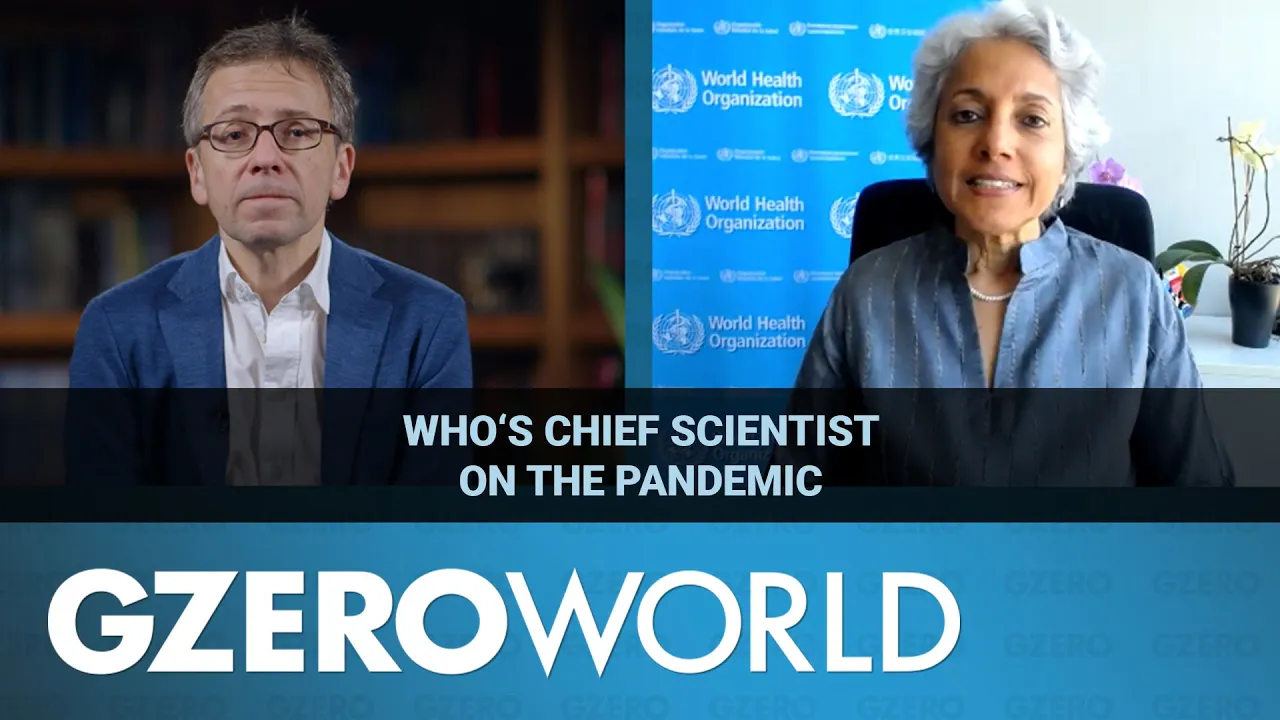
Vaccine nationalism, where countries prioritize their own citizens before the rest of the world, has been effective for rich nations like the United States and Israel. But leaving behind so much of the global population isn't just a humanitarian issue. It could prolong the pandemic, according to the World Health Organization's Chief Scientist, Dr. Soumya Swaminathan, who argues that what the global vaccination effort most urgently lacks are doses, not dollars. In a wide-ranging interview with Ian Bremmer on GZERO World, she calls for a large increase in the global vaccine supply in order to prevent the rise of more dangerous and vaccine-evading super-variants. She also weighs in on a controversial new WHO report investigating the origins of COVID-19 and suggests we may be seeing alternative vaccine forms, like nasal sprays, sooner than we think.
Hosted by Ian Bremmer, GZERO World is an award-winning, nationally syndicated PBS television program featuring the most influential leaders and thinkers in the world.
Presented by
More From GZERO World with Ian Bremmer

Can Latin America become a global power player?

The high stakes of the global AI race

Europe under threat from Russia
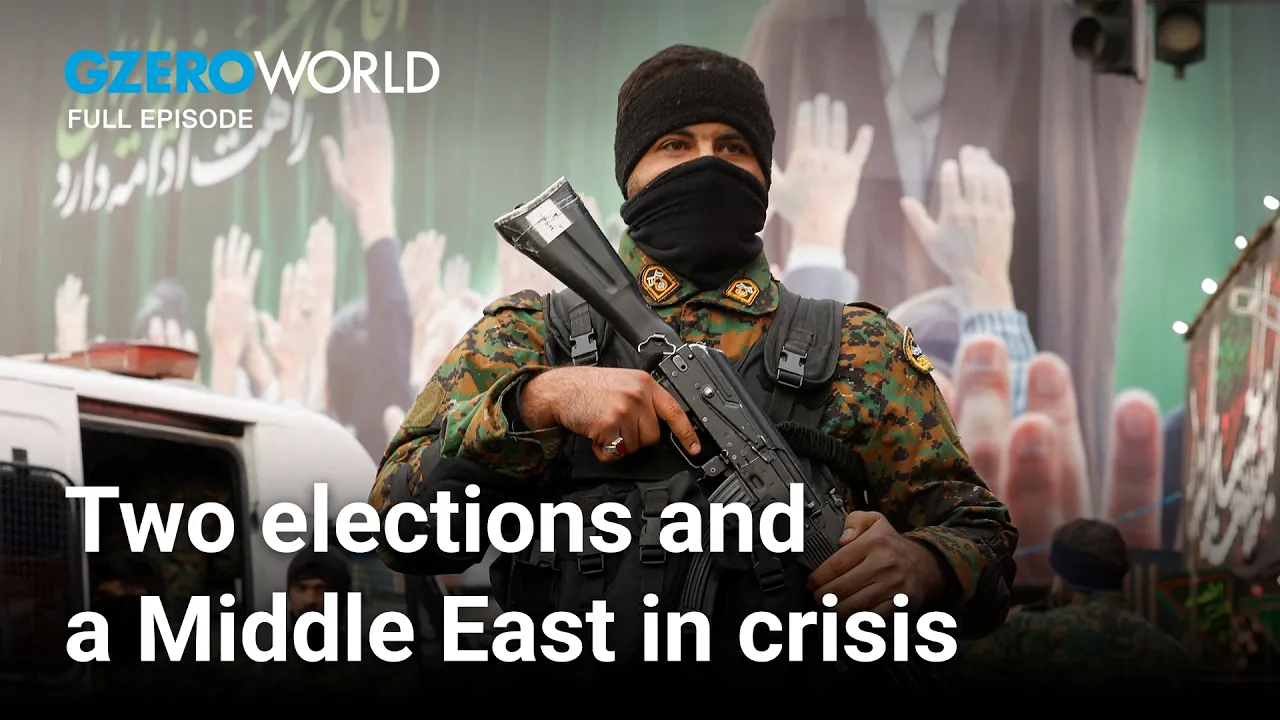
Could US & Israeli elections reshape the Middle East?

Midterms 2026: Is a blue wave coming?

How October 7 changed the Middle East, three years on
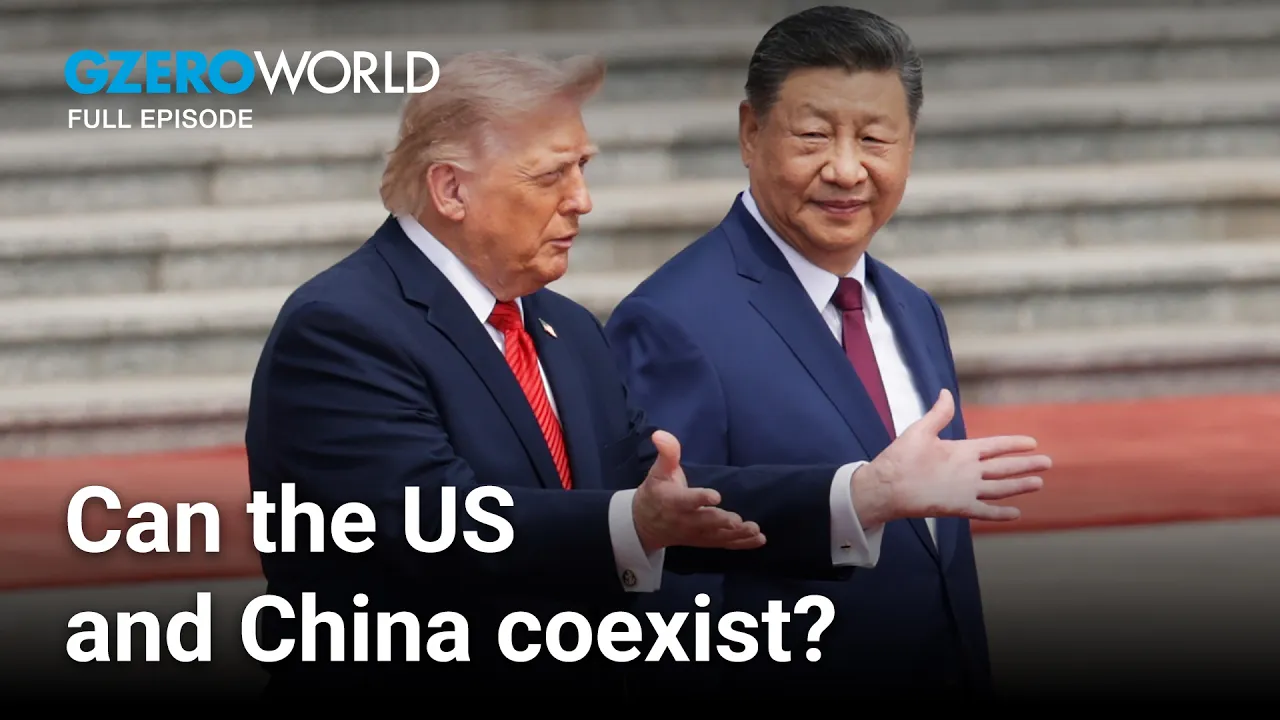
The high-stakes US-China race

UN Chief António Guterres on global power, AI, and a world in crisis
About the Show
Every week on GZERO World with Ian Bremmer, Ian explains the key global stories of the moment, sits down for an in-depth conversation with the newsmakers and thought leaders shaping our world.
Watch GZERO World on US public television and on GZERO's YouTube channel. GZERO WORLD with Ian Bremmer is a local public television program presented by THIRTEEN PBS.
Funding for GZERO World is provided by:
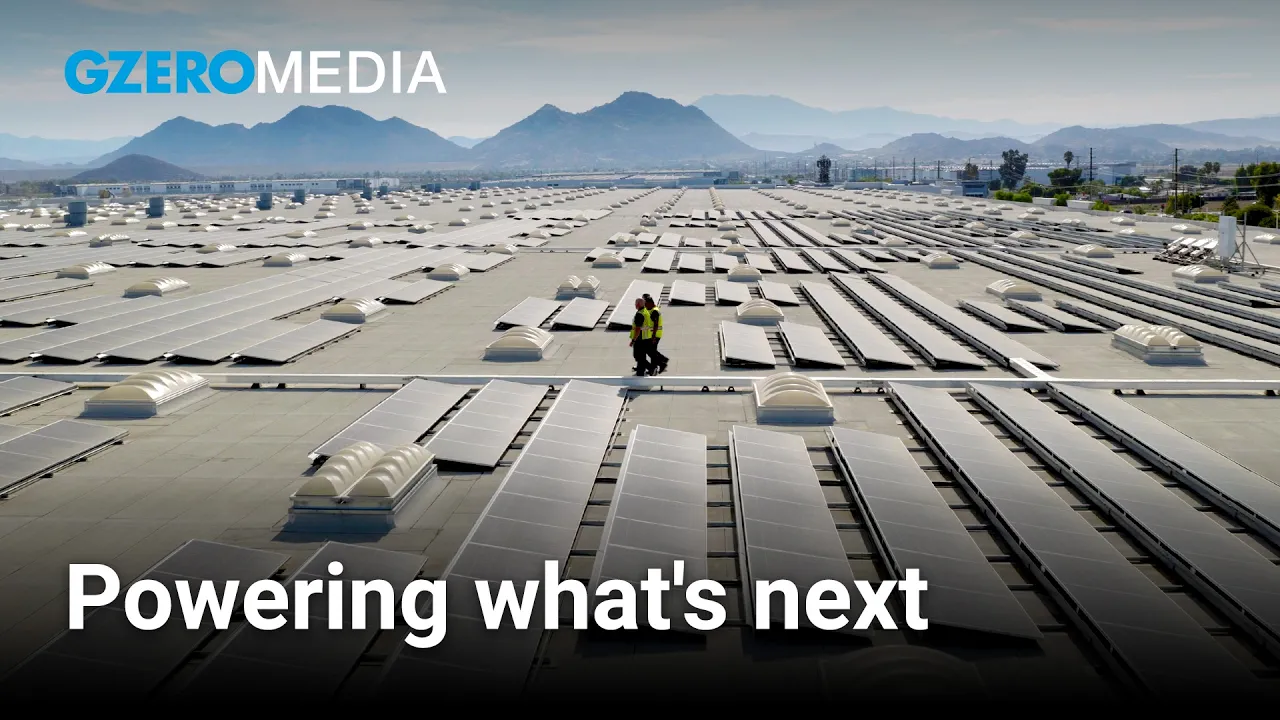
Powering what's next
Energy used to be a predictable cost. Now it's a constraint on growth, and businesses are rethinking how they plan and build. GZERO Media's Tony Maciulis sat down with Susan Uthayakumar, Chief Energy and Sustainability Officer at Prologis, to discuss how rising power demand from automation, AI and fleet electrification is changing where and how companies build. Together, they examine the role real estate plays in energy infrastructure, what effective public-private partnerships look like, and how on-site power generation can support communities in crisis.