VIDEOSGZERO World with Ian BremmerQuick TakePUPPET REGIMEIan ExplainsGZERO ReportsAsk IanGlobal Stage
Site Navigation
Search
Human content,
AI powered search.
Latest Stories
Start your day right!
Get latest updates and insights delivered to your inbox.
Cyber in 60 Seconds
Presented by
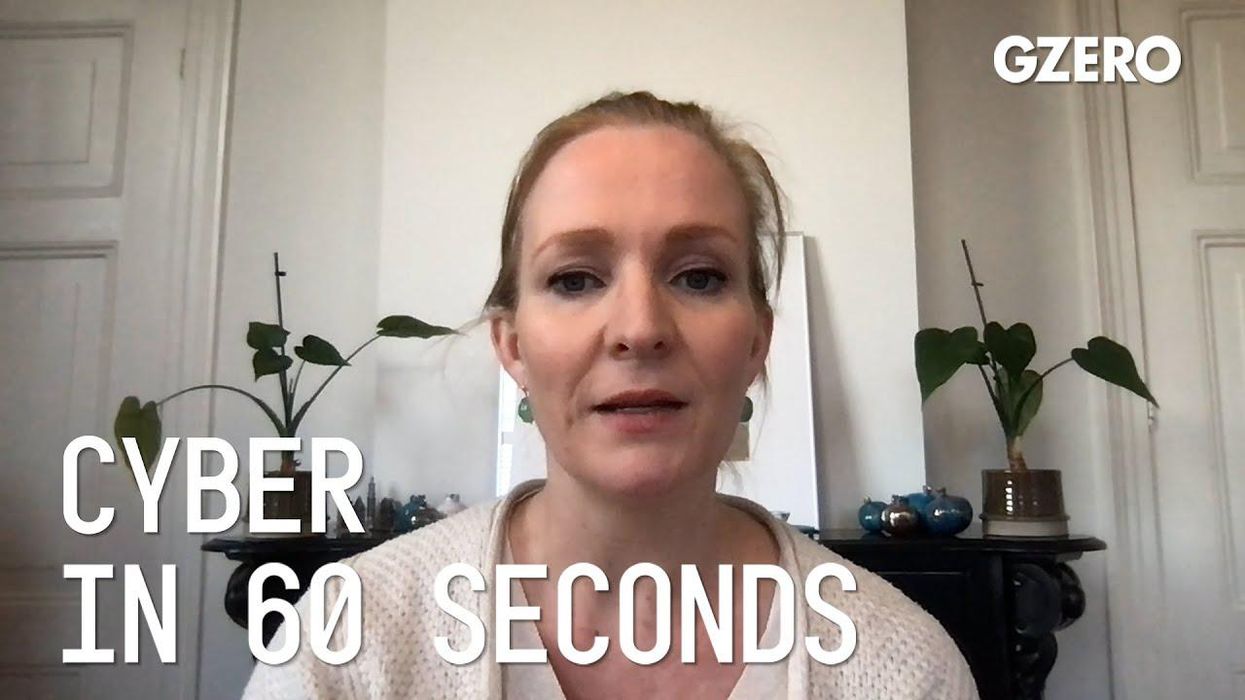
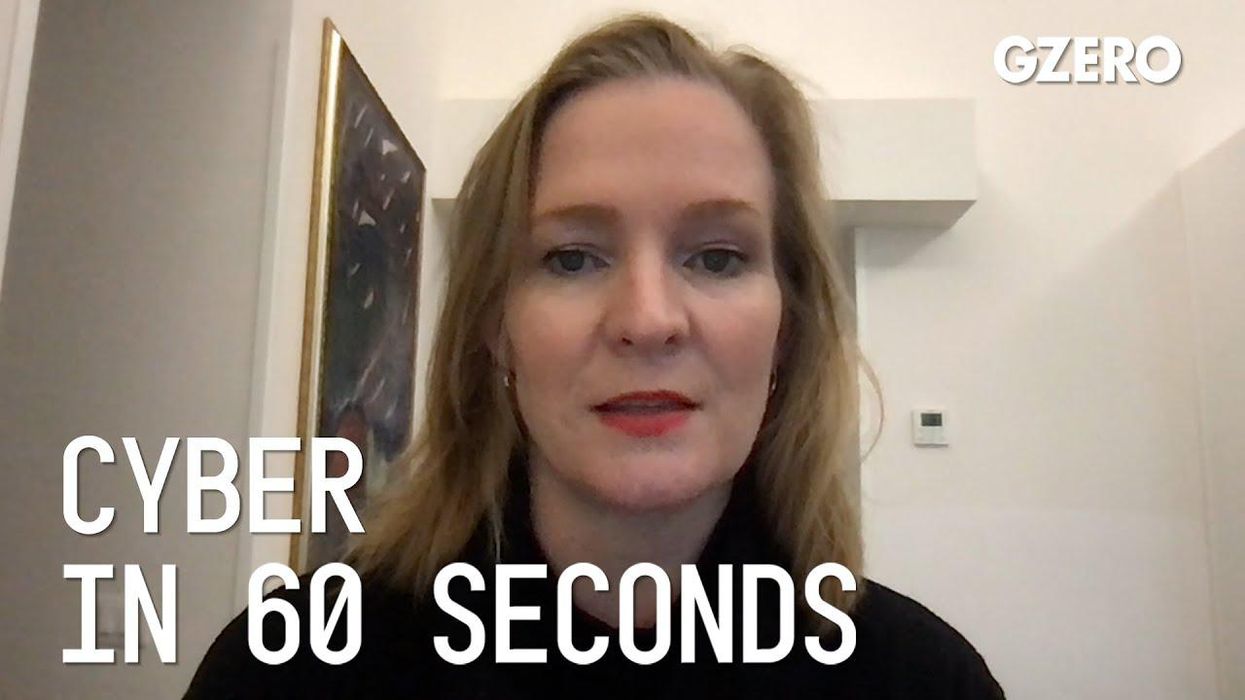
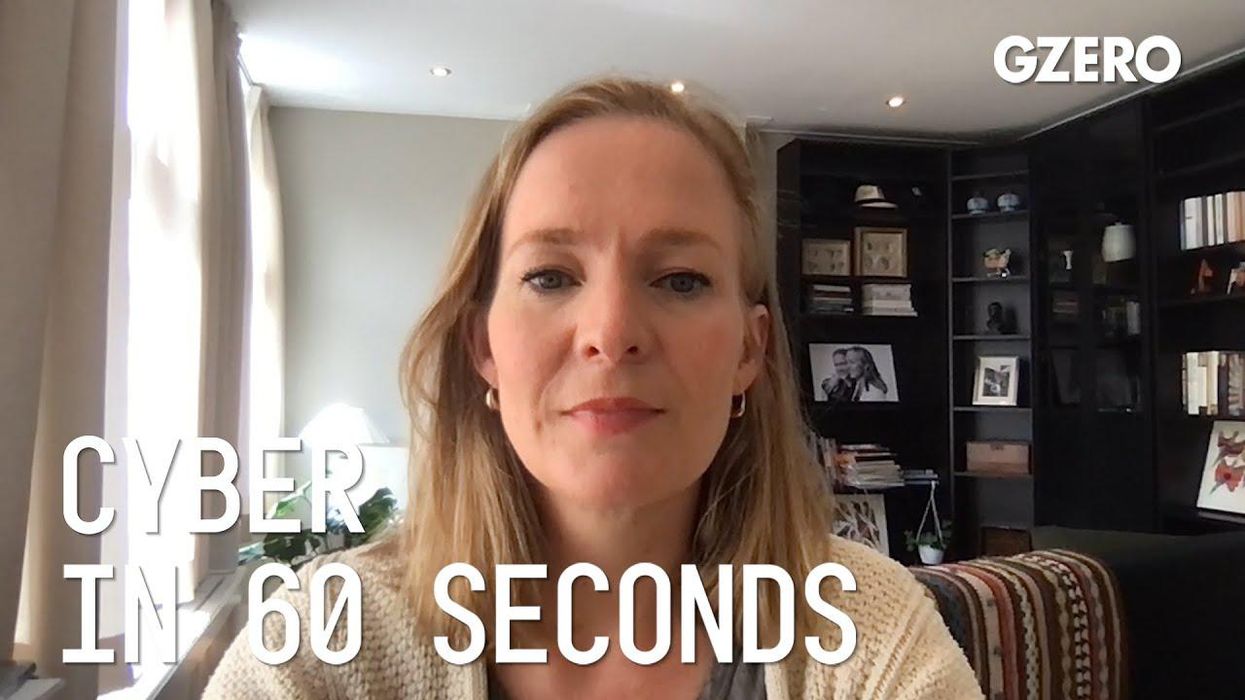
Marietje Schaake, International Policy Director at Stanford's Cyber Policy Center, Eurasia Group senior advisor and former MEP, discusses trends in big tech, privacy protection and cyberspace:
You may have heard that Jack Dorsey is selling his first tweet as an NFT in an auction, but what are NFTs?
Well, I had to do a little homework. NFT stands for "non-fungible tokens." They are unique digital files stored in a block chain and essentially a rare piece of data that becomes an asset. Also, because it can be authenticated. Now, actual ownership is one-off, unique, so unique that Christie's sold one of the highest paid pieces of art by a living artist ever as an NFT, for $69.3 million. And I guess just like with art on canvas, whether that was worth it is a matter of personal taste.
How do NFTs fit into or complicate the crypto landscape?
Now, for one, they're backed by some of the same investors that created crypto currencies. They're also growing exponentially in value, almost 300% in 2020 alone. So, I'm keeping an eye out for where we will be at the end of this year. But does this mean all upside and opportunity? Not so much. The environment, for one, is already paying a high price for all the crypto mining. And with so much hype, there are also questions about whether NFTs will remain available in the future.
Keep reading...Show less
More from Cyber in 60 Seconds
Watching Russia: cyber threats & disinformation
March 18, 2022
Cyber warfare & disinformation play key role in Russia Ukraine conflict
February 24, 2022
Constant Russian attacks on Ukraine in cyberspace
February 17, 2022
NFTs: Hype, mainstream growth - & implications
February 10, 2022
US pushes back on EU's proposed laws impacting US tech companies
February 04, 2022
Europe and the US can’t agree on how to regulate Big Tech
January 28, 2022
Tech companies' role in the spread of COVID-19 misinformation
January 12, 2022
How tech was used to harm democracy on January 6
January 07, 2022
Can political leadership prevent cyberattacks in 2022?
December 30, 2021
Biggest cybersecurity threat to watch in 2022
December 23, 2021
Spyware concerns prompt US Congress to move toward sanctions
December 17, 2021
Biden's Summit for Democracy gets slow start on tech concerns
December 10, 2021
EU's proposed DSA and DMA laws would broadly regulate digital economy
December 03, 2021
Facebook metaverse launch leads other Big Tech firms to focus on AR/VR
November 24, 2021
Amazon satellites and Project Kuiper: next steps in Big Tech space race
November 05, 2021
Russian hackers target US tech companies with little accountability
October 28, 2021
Do cryptocurrencies undermine US sanctions?
October 22, 2021
How will the global corporate tax deal impact tech companies?
October 13, 2021
Facebook's terrible week proves tech policy changes are needed
October 08, 2021
The US and EU further talks on technology governance
October 01, 2021
QUAD supply chain strategy to consider values; new AI-powered weapons
September 22, 2021
Beware perpetual cyberattacks, and protect education data
September 14, 2021
El Salvador’s risky move to Bitcoin; future of Singapore patrol robots
September 10, 2021
Can China limit kids’ video game time? Risks with facial recognition
September 01, 2021
QR codes and the risk to your personal data
July 28, 2021
Cloud computing and US cybersecurity
June 03, 2021
The dangers of deepfakes and the need for norms around trust
March 25, 2021
SolarWinds hack a wake-up call to the tech sector
March 04, 2021
EU & US: democracy frames tech approaches; Australia & Facebook flipflop
February 24, 2021
GZERO Series
GZERO Daily: our free newsletter about global politics
Keep up with what’s going on around the world - and why it matters.