Skip to content
Search

Latest Stories

Analysis

'Civil War' is a dark but empty warning to America

Writer and Director Alex Garland attends a special screening of the film 'Civil War', in Los Angeles, California, U.S., April 2, 2024.

Writer and Director Alex Garland attends a special screening of the film 'Civil War', in Los Angeles, California, U.S., April 2, 2024.

REUTERS/Mario Anzuoni
Make us preferred on Google

Alex Garland’s “Civil War” hit US cinemas on Friday, offering a surreal, disturbing, heart-pounding depiction of a fractured, war-torn US in the not-too-distant future. The dystopian movie is a grave warning to any Americans who fantasize about taking up arms against their political opponents. Its message is simple: A modern US civil war would be utterly devastating and uglier than they can imagine.

“Civil War” shows what the US would look like if it became a warzone – with suicide bombings, mass graves on the side of the road, gunfire in the streets, cherished monuments demolished – and even routine stops for gas turned into terrifying experiences. As an examination of the horrifying nature of war and the dangers of a complete collapse of trust in US institutions, “Civil War” is extremely effective.

But by the time the credits rolled, it was difficult not to see the film as a missed opportunity to explore the causes of war and the types of toxic trends that can lead societies into civil conflict. “Civil War” fails to explain why the war it’s centered around is even happening. While there are occasional vague references to the autocratic practices of the president, the viewer is left almost entirely in the dark as to why Americans have taken up arms against each other.


Garland said he did this deliberately to avoid making the movie specific to the US and to send more of a universal message. Perhaps he was worried that a more politicized film would turn off one side or the other amid this historically polarized era in the US.

But his apolitical approach left the film feeling quite empty, and I believe Garland could have avoided demonizing particular political parties while still delving into how socially corrosive forces like extremism and authoritarianism, left unchecked, can lead to civil war. This would’ve been a nod to today’s dangerous political climate in the US, making the movie a more effective, timely alarm bell.

The movie is also as much about journalism as it is about war. It shows the war through the lens of reporters – both literally and figuratively. Garland said he specifically made journalists the “heroes” of the movie because of the traction journalism is losing in modern society. At a time when journalists are getting laid off left and right, this was a nice thought, but Garland leaned heavily on clichės about reporters being adrenaline junkies who will risk it all for a single quote or photo.

The film is already a major success and had a massive opening weekend. Garland has clearly struck a nerve in the post-Jan. 6 era, where the nightmarish prospect of civil conflict seems to live rent-free in the American mind (though many experts on political violence agree we are very unlikely to see a conflict on the same scale as the American Civil War in the near future).

But does box office success mean the movie was as impactful as it could have been? Though I certainly had my issues with the movie, there’s no denying that it was extremely thought-provoking. If you’ve seen “Civil War,” we’d love to hear your thoughts. Please write to us here.
More For You

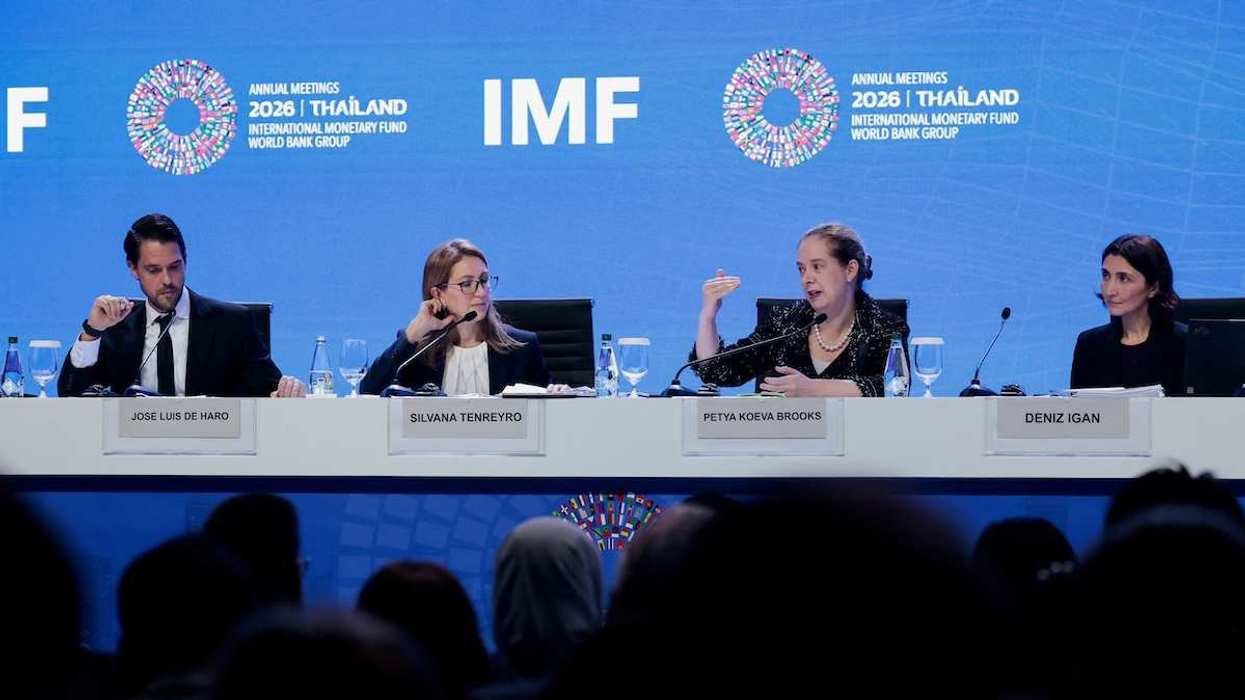
MF Communications Officer Jose Luis De Haro, Director of the Research Department at the IMF Silvana Tenreyro, Deputy Director of the Research Department at the IMF Petya Koeva-Brooks and Division Chief at the Research Department of the IMF Deniz Igan attend a press briefing during the IMF/World Bank 2026 Annual Meetings at Queen Sirikit National Convention Center (QSNCC)

IMF Communications Officer Jose Luis De Haro, Director of the Research Department at the IMF Silvana Tenreyro, Deputy Director of the Research Department at the IMF Petya Koeva-Brooks and Division Chief at the Research Department of the IMF Deniz Igan attend a press briefing during the IMF/World Bank 2026 Annual Meetings at Queen Sirikit National Convention Center (QSNCC) in Bangkok, Thailand, October 13, 2026.

REUTERS/Patipat Janthong
The people tasked with safeguarding the world’s financial stability are gathering in Bangkok, Thailand, this week. Central bankers, finance and development ministers, private sector leaders, civil society representatives, and academics from nearly 200 countries are attending the IMF-World Bank’s annual meetings to discuss soaring public debt, the [...]
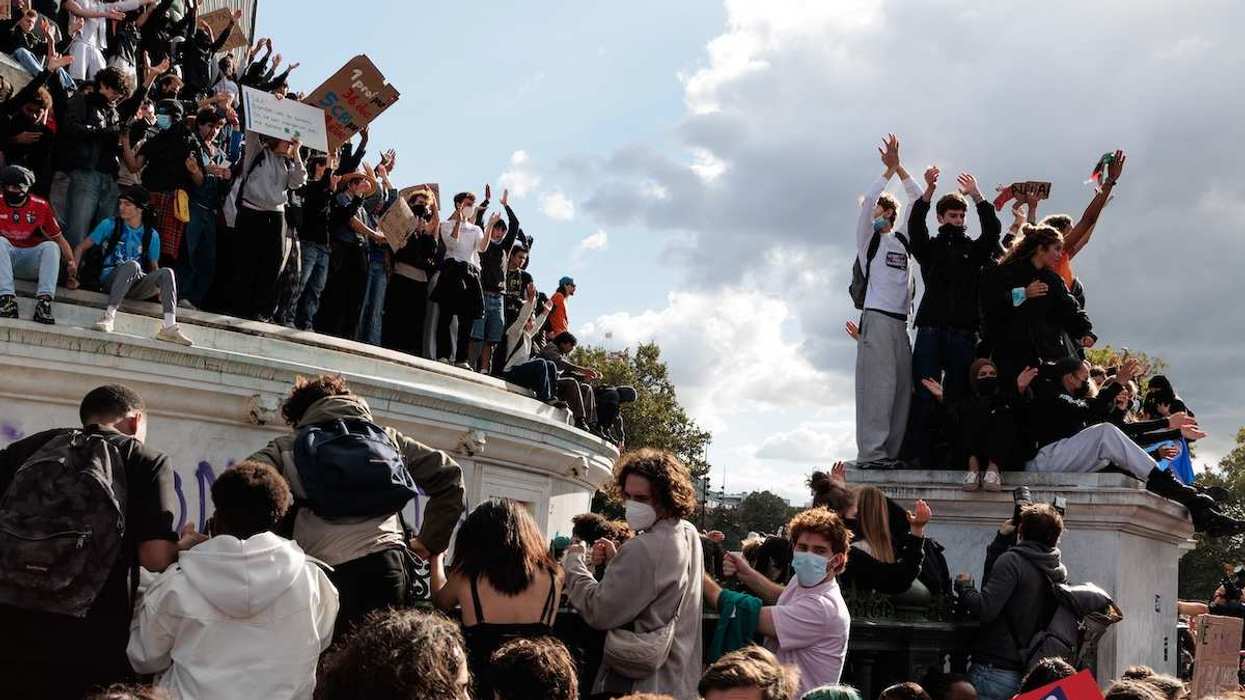
Students stand on the July Column during a high school and college student protest at Place de la Bastille in Paris, Ile-de-France, France, on October 8, 2026.

Students stand on the July Column during a high school and college student protest at Place de la Bastille in Paris, Ile-de-France, France, on October 8, 2026.

Gauthier Bedrignans / Hans Lucas via Reuters Connect
Many will associate that line with the classic musical “Les Misérables” set during the French Revolution. But today, it encapsulates the feeling of millions of students across France: miserable – and enraged. For weeks, students have walked out of classrooms and poured into the streets. What began last month as anger over teacher shortages, [...]
Who is “electable” in 2026?

Ballot drop boxes sit in a warehouse ahead of being distributed in Bucks County in Doylestown, Pennsylvania, U.S., September 25, 2026.

REUTERS/Hannah Beier
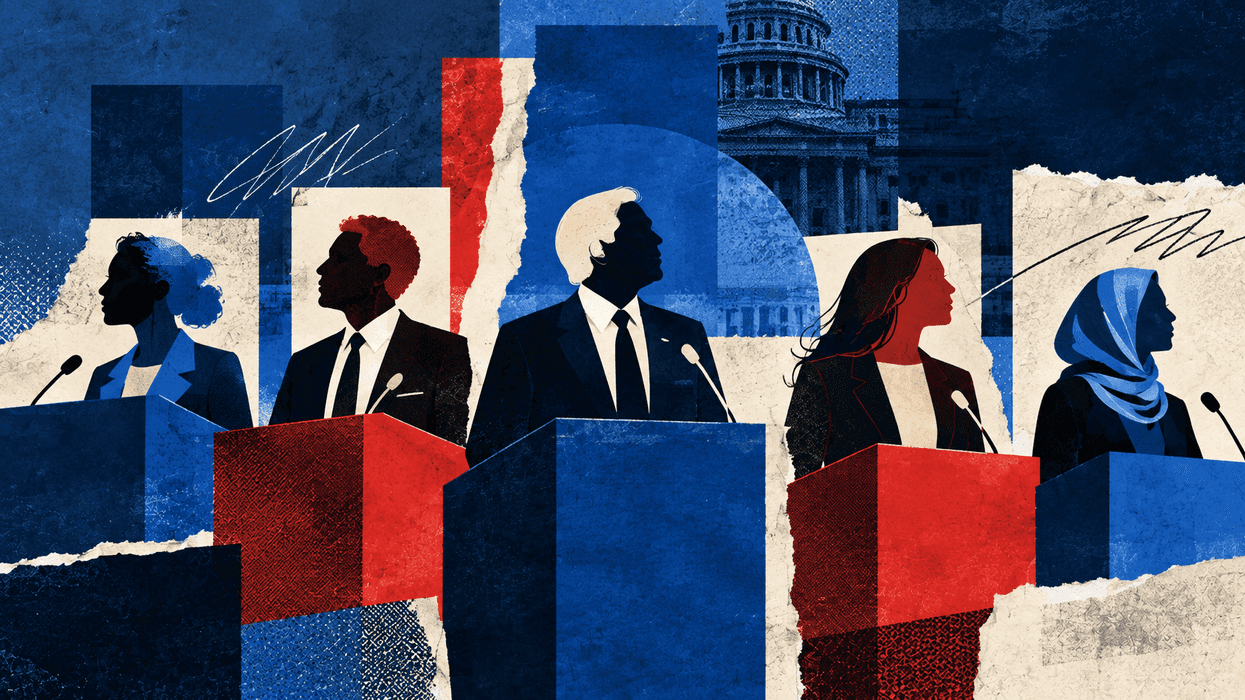
The United States is one of the few major economies that has never had a female leader. The UK elected Margaret Thatcher in 1979. Angela Merkel became Germany’s Chancellor in 2005. Julia Gillard became Australia’s first female PM in 2010, and last year, Sanae Takaichi did the same in Japan.The world’s largest economy and major superpower, [...]
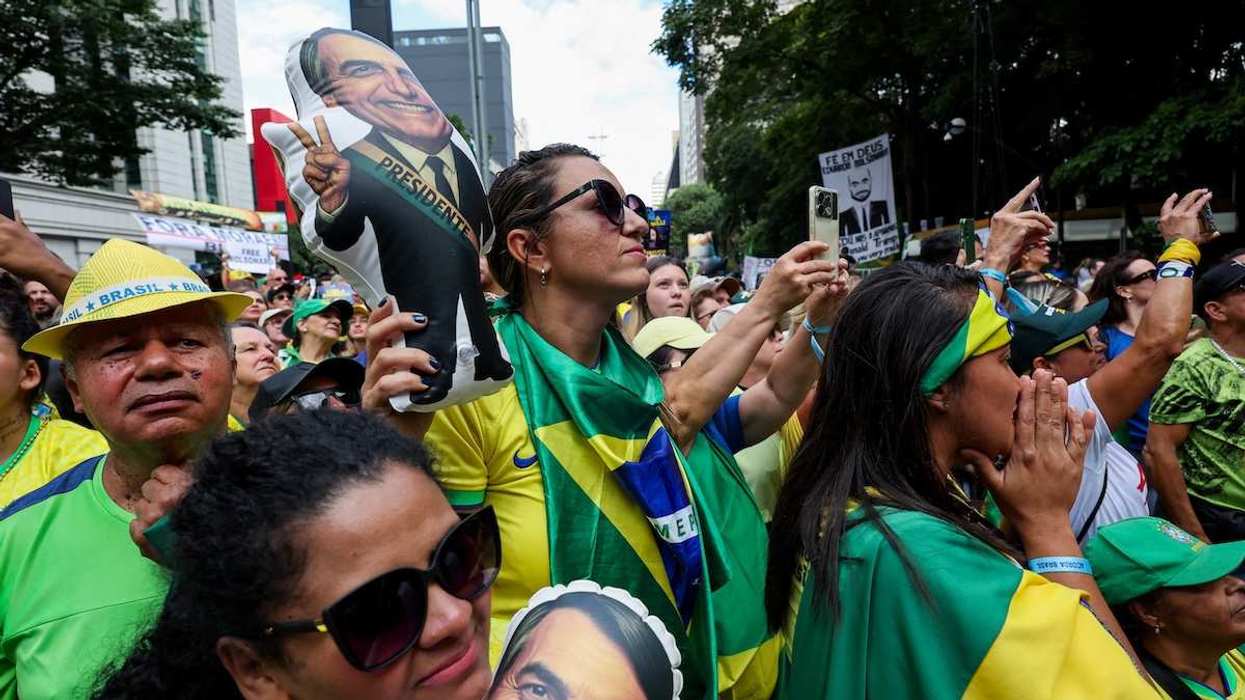
A person holds a depiction of former Brazilian President Jair Bolsonaro, as people gather on the day of a campaign rally of a pre-candidate of the right-wing Brazil's senator Flavio Bolsonaro, ahead of the presidential elections, in Sao Paulo, Brazil.

A person holds a depiction of former Brazilian President Jair Bolsonaro, as people gather on the day of a campaign rally of a pre-candidate of the right-wing Brazil's senator Flavio Bolsonaro, ahead of the presidential elections, in Sao Paulo, Brazil, March 1, 2026.

REUTERS/Jorge Silva
Brazilians head to the polls on Sunday to take the first step in deciding the future of Latin America’s largest economy, and potentially the political direction of the entire continent.The field is crowded, but two major players stand out: left-wing president Luiz Inácio Lula da Silva seeking a fourth nonconsecutive term, and right-wing Senator [...]