Skip to content
Search

Latest Stories

Analysis

Ukraine War: Any closer to peace after Jeddah talks?

​Representatives from more than 40 countries, including China, India, and the U.S., pose for a group picture as they attend talks in Jeddah, Saudi Arabia.

Representatives from more than 40 countries, including China, India, and the U.S., pose for a group picture as they attend talks in Jeddah, Saudi Arabia.

Saudi Press Agency/Handout via REUTERS
Make us preferred on Google

The Ukraine diplomatic sweepstakes continued this weekend as representatives from more than 40 countries gathered in Jeddah, Saudi Arabia, to try to forge a path toward peace negotiations between Russia and Ukraine. While Russia wasn’t invited, Volodymyr Zelensky said he hoped the talks would lead to a summit later this year and an endorsement of his 10-point formula for peace.

His plan demands that Russia hand over occupied Ukrainian territory – a clear nonstarter for Moscow – and calls for Russian troops to leave Ukraine before peace talks begin, something the Kremlin does not seem inclined to do.


The Jeddah talks followed a June summit in Copenhagen, but how was this one different?

First, after balking at the Danes’ invite last time, China agreed to attend. That was a big win for Ukraine, which knows that Beijing has Putin’s ear, and for the Saudis, who wanted the conference to be viewed by the West and Russia alike as a serious diplomatic forum.

Given that China continues to buy copious amounts of Russian oil and gas, helping the Russian economy stay afloat despite Western sanctions, having Beijing be part of a broader peace push is crucial. And as we’ve written before, China is the one country that has both the carrots and the sticks needed to persuade Putin and Zelensky to swallow compromise.

What’s more, a number of so-called non-aligned countries – including India, Brazil, and South Africa – that have so far refused to acquiesce to Western demands that they ditch relations with the Kremlin, also participated. Though they attended the summit in Copenhagen, the contours of this event were different given that it was hosted by a country with close ties to the Kremlin.

Did anything concrete come from the talks?

The Ukrainian delegation reportedly said Zelensky’s proposals were supported by several in attendance.

Meanwhile, China’s special envoy for Eurasian affairs, Li Hui, noted that the participants had “many disagreements,” adding “we have heard different positions, but it is important that our principles are shared.” Beijing also reportedly expressed enthusiasm for a third round of talks.

Moscow, meanwhile, has referred to the peace talks as “doomed.”

We’ll be watching to see what Saudi Crown Prince Mohammed bin Salman, who is trying to rehabilitate his image after years of very bad PR and boost his profile as a legitimate international interlocutor, does next. He had a lot riding on this summit, and while Ukraine and Russia seem too far apart to imagine any significant progress, China’s involvement offers a glimmer of hope.

More For You

Political campaigning goes vertical
Political campaigns are turning 90 degrees. As voters spend more time scrolling through social media on their phones, politicians are following them. Long reliant on horizontal TV ads, candidates are increasingly embracing short, vertical videos to grab voters' attention and get their message out. [...]
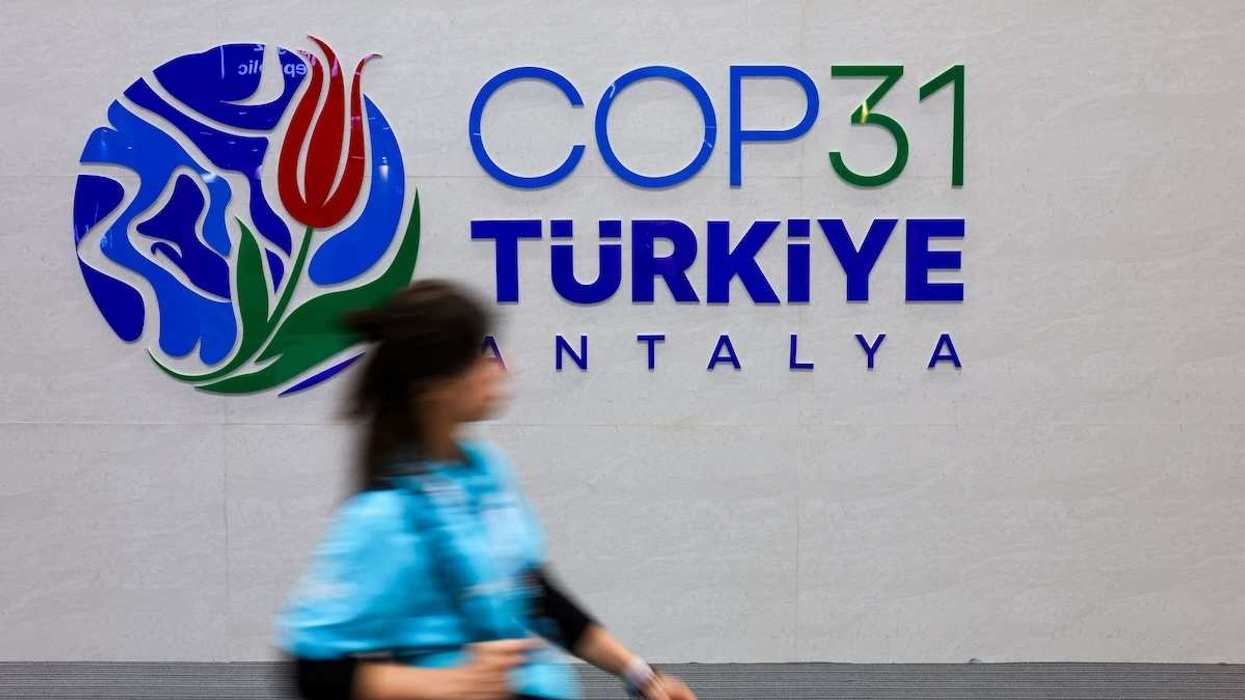
A volunteer walks past a COP31 logo at the venue ahead of the United Nations climate change conference, known as COP31, in Antalya, Turkey, November 8, 2026.

A volunteer walks past a COP31 logo at the venue ahead of the United Nations climate change conference, known as COP31, in Antalya, Turkey, November 8, 2026.

REUTERS/Murad Sezer
The UN’s annual climate summit, this year known as COP31, kicked off in Turkey on Monday, as the world gets hotter – and political temperatures rise.Over the past year, devastating heatwaves and wildfires in Europe, a catastrophic glacier collapse in Nepal, and both flooding and drought in Africa have all underscored the risk of global warming. [...]
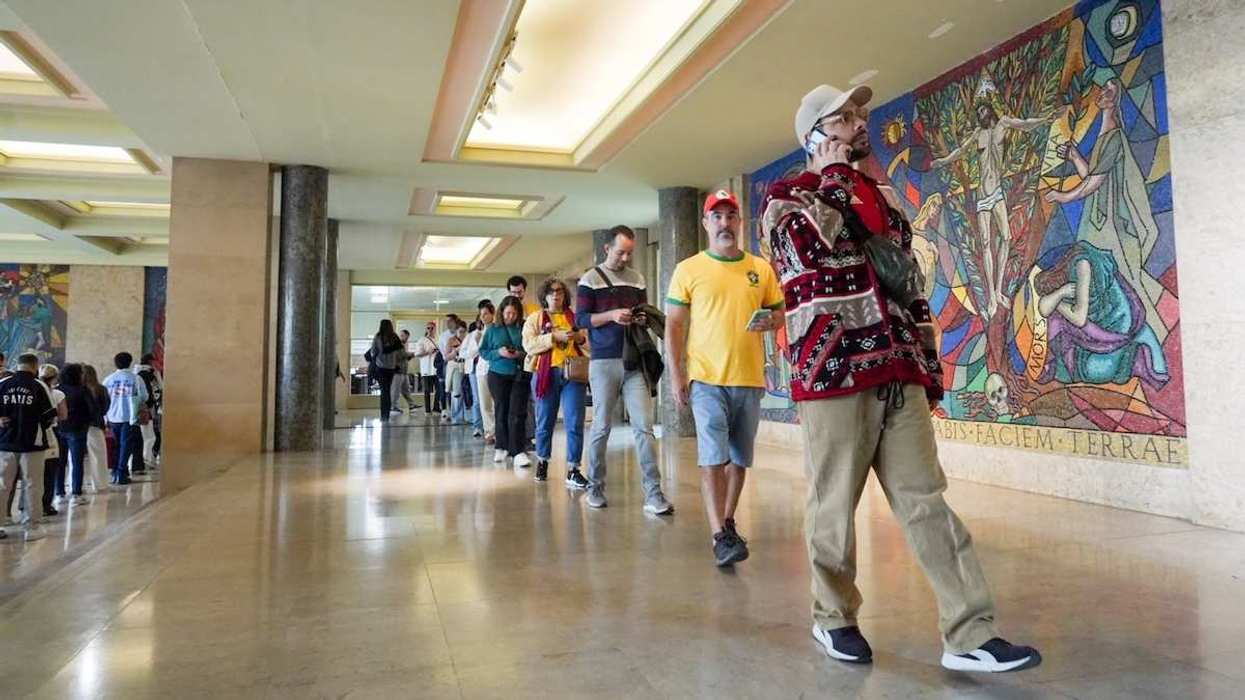
Brazilian voters arrive at a polling station at Cidade Universitaria to cast their ballots in the second round of Brazil's presidential election in Lisbon, Portugal, on October 25, 2026.

Brazilian voters arrive at a polling station at Cidade Universitaria to cast their ballots in the second round of Brazil's presidential election in Lisbon, Portugal, on October 25, 2026.

Luis Boza via Reuters Connect
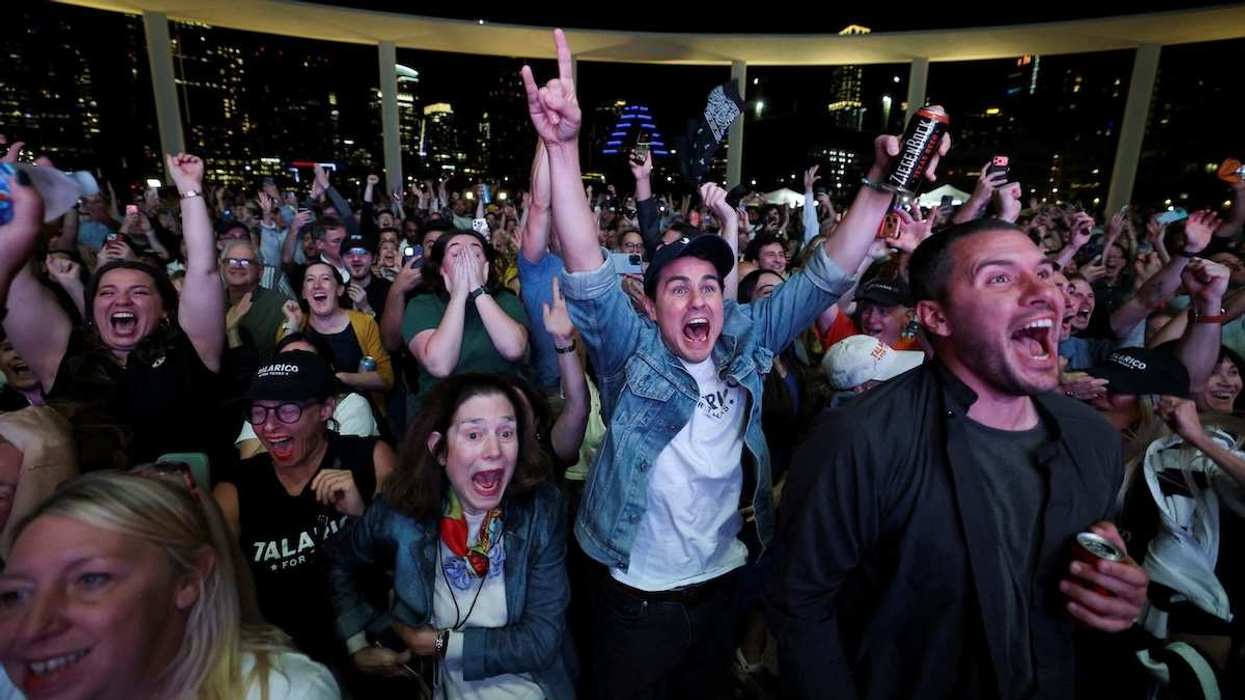
Elections have been taking place around the world in recent weeks – and if there’s one thing they have in common, it’s this: voters are fired up.In Serbia, turnout reached its highest level since the breakup of Yugoslavia in 1992. In Israel, it was the highest in more than two decades. Brazil saw an additional three million people who had [...]
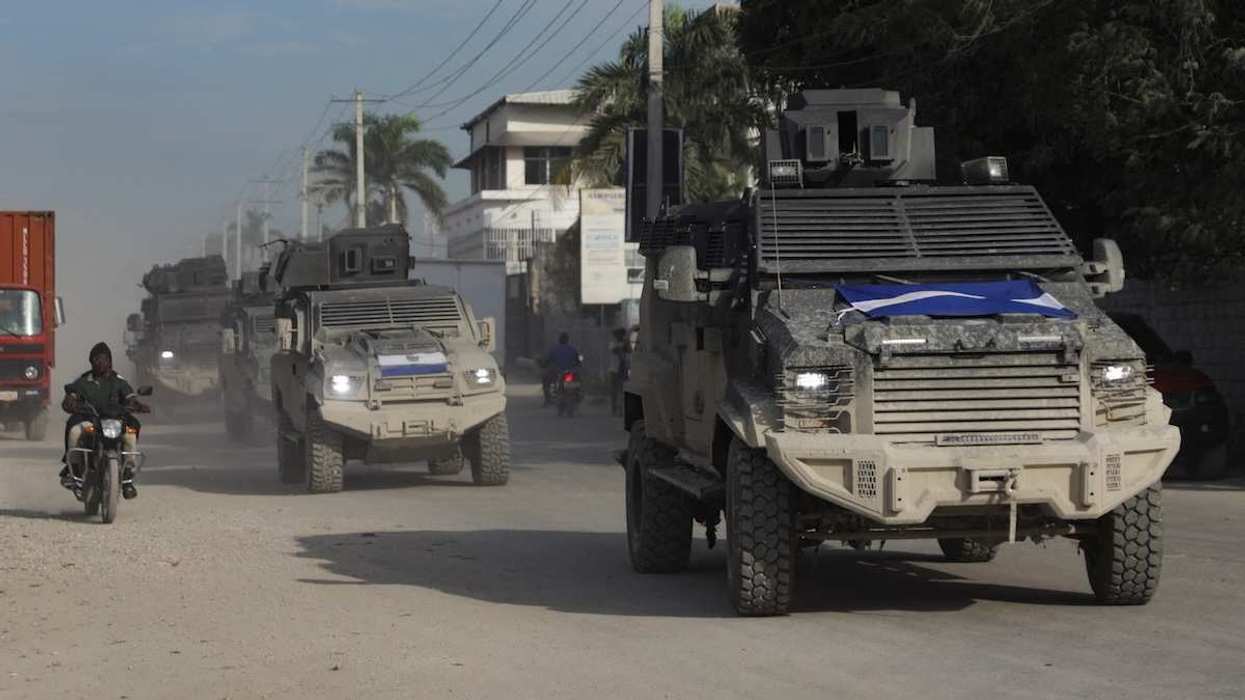
Armoured vehicles of the El Salvador Army operate separately from the UN-authorized Gang Suppression Force (GSF), after additional troops were deployed following an October 18 ambush in which four Salvadoran GSF personnel went missing, in Port-au-Prince, Haiti, November 3, 2026.

Armoured vehicles of the El Salvador Army operate separately from the UN-authorized Gang Suppression Force (GSF), after additional troops were deployed following an October 18 ambush in which four Salvadoran GSF personnel went missing, in Port-au-Prince, Haiti, November 3, 2026.

REUTERS/Patrice Noel
Over the past two weeks, President of El Salvador Nayib Bukele has sent around 2,000 troops to Haiti to rescue four Salvadoran nationals working in Haiti who were kidnapped by gangs. But the self-proclaimed “world’s coolest dictator” may have bigger ambitions. In a series of social media posts, he's drawn parallels between Haiti's struggles with [...]