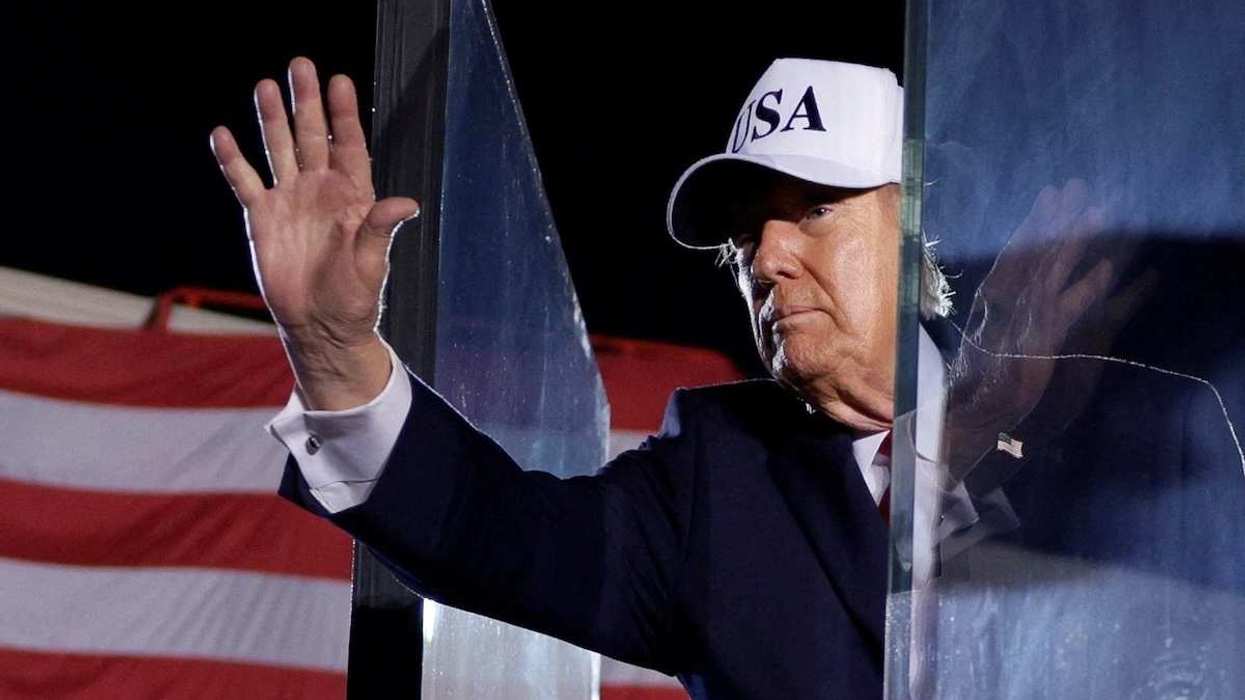
Donald Trump’s second term is having considerably more impact on the global stage than his first. Trump may have been a largely transactional president last time around, when he was more constrained at home and faced relatively more powerful counterparts abroad. But the first two months of Trump 2.0 have shattered the illusion of continuity. No American ally faces a ruder awakening than Europe, whose relationship with the United States is now fundamentally damaged.
Core partners in Asia like Japan, South Korea, India, as well as Australia worry about being hit with tariffs and will do what they can to defuse conflict, but they also know their geostrategic position vis-à-vis China means Trump can’t afford to alienate them entirely. Accordingly, their relations with Washington should remain comparatively stable over the next four years.
America’s largest trade partners, Mexico and Canada, are facing more significant trade pressures from the Trump administration, but the imbalance of power is such that they have no credible strategy to push back. Everyone understands they’ll have to accept Trump’s terms eventually; the only question is whether capitulation comes before or after a costly fight. Riding an 85% job approval, Mexican President Claudia Sheinbaum has enough domestic political space to yield to Trump’s demands to keep Mexico in his good graces, as she is already doing. By contrast, Canadian leaders have a political incentive to put up a bigger fight because Trump’s threats toward Canada’s economy and sovereignty have sharply inflamed nationalist sentiment north of the border in the run-up to the April 28 elections. However, I expect Ottawa will quietly fold shortly after the vote to ensure that ongoing relations with the US remain functional.
Most US allies have no choice but to absorb Trump’s demands and hope for a reset after he’s gone. But Europe is different. It possesses both the collective heft to resist Trump’s demands and the existential imperative to do so.
Three structural forces render the transatlantic rupture permanent.
First, the European Union has the trade competency and market size to punch back against the Trump administration’s aggressive tariff blitz. Unlike most other US trading partners who lack the economic leverage to go toe-to-toe against Washington and have little choice but to fold under pressure, Brussels’ defiance ensures a protracted trade war with no easy resolution.
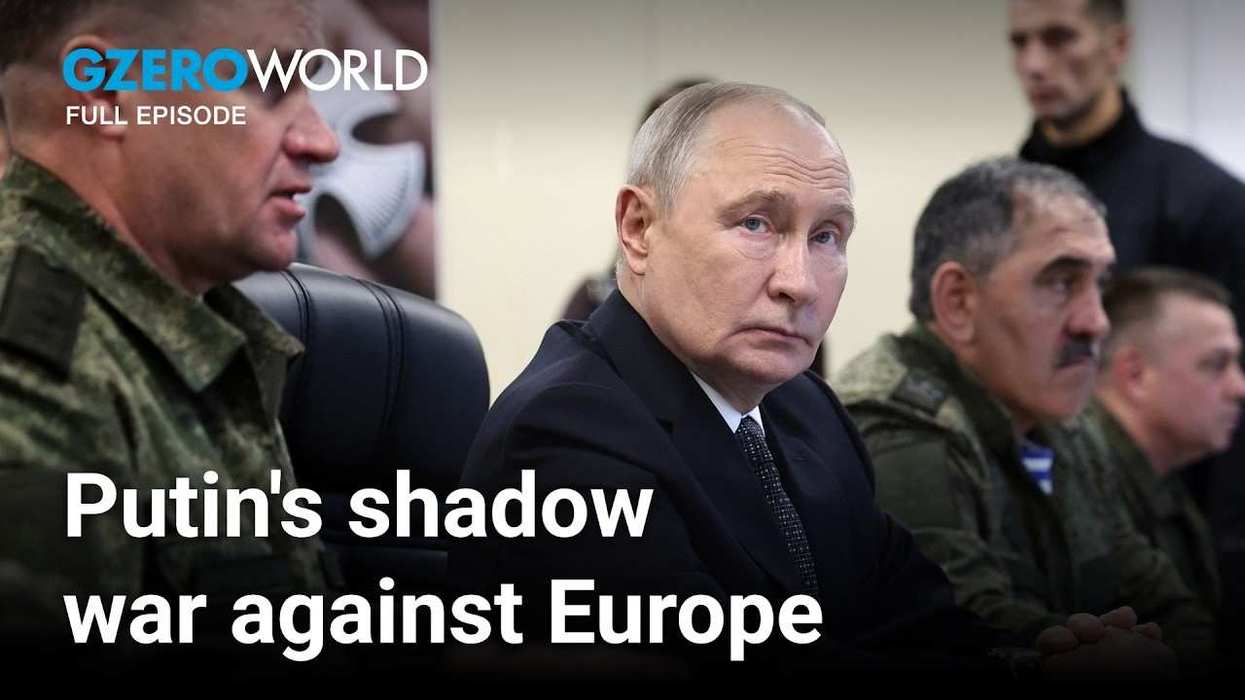
Second, most Europeans view the Trump administration’s unilateral pursuit of rapprochement with Russia as a direct threat to their national security. While President Trump would still like to end the war in Ukraine as he promised on the campaign trail, he is prepared to do so on the Kremlin’s terms – and he’s even more interested in business deals with Moscow. He won’t be deterred by a collapse of the Ukraine peace talks, even though it’s Vladimir Putin who’s shown no interest in softening his maximalist demands. Nor will Trump care that the Europeans stridently oppose US normalization with their principal enemy. After all, the United States is protected by two oceans from Putin’s army, and Trump’s embrace of Euroskeptic movements reveals their shared aim: a fragmented and weakened Europe that is easier to dominate.
The president’s rhetoric – echoed by the Signal-gate private texts, Special Envoy Steve Witkoff’s recent interview with Tucker Carlson, Vice President JD Vance’s Munich speech, and so many other pieces of evidence – makes clear that the current administration sees Europeans not as allies but as “pathetic freeloaders” who shouldn’t be “bailed out” as a matter of principle. Even if Washington begrudgingly agrees to provide them with transactional security, Europeans now realize that relying on a hostile US for survival is strategic suicide.
Which brings us to the third and final driver of the definitive US-Europe break: common values … or lack thereof. From free trade and collective security to territorial integrity and the rule of law, Europe’s foundational principles are now anathema to Trump’s America. Just look at Trump’s repeated threats to annex Greenland, to say nothing of his willingness to recognize illegally annexed Ukrainian territories as Russian and support Israel’s annexation of parts of the West Bank and Gaza. For an EU built from the ashes of World War II, it's hard to compromise with a worldview in which borders are mere suggestions and might makes right.
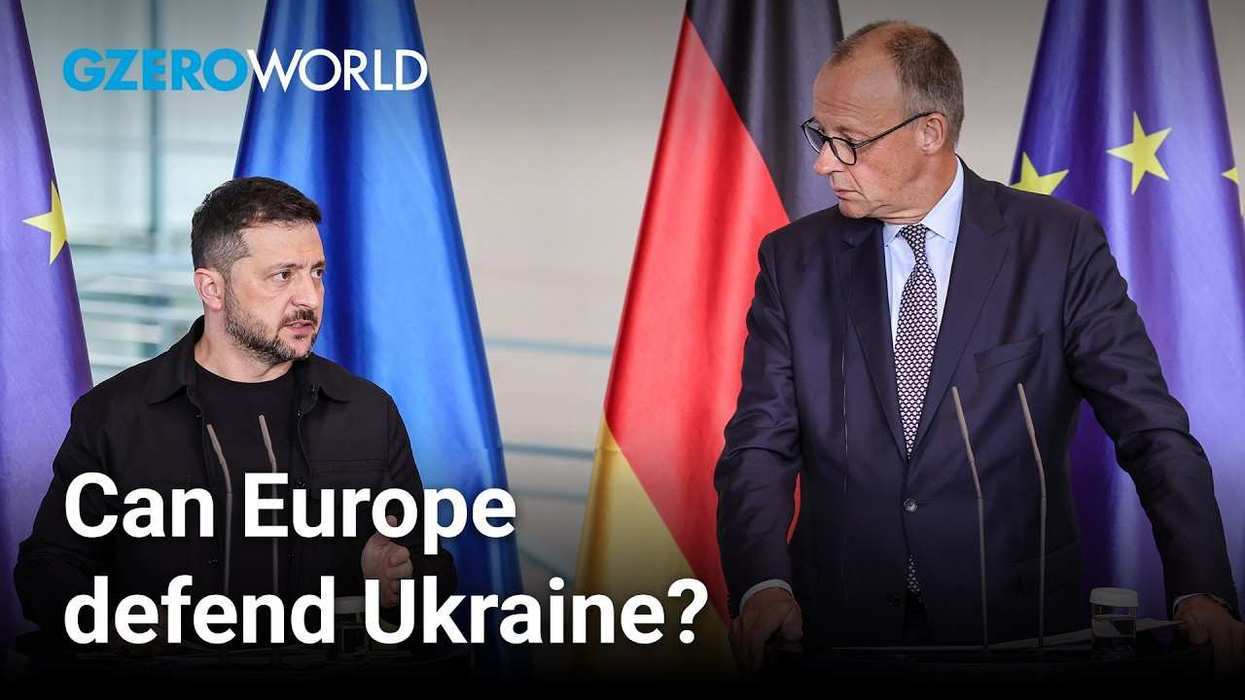
After years of complacency, European leaders seem to have finally gotten the message that the United States under Trump is not just an unreliable friend but an actively hostile power. They understand they need to drastically increase Europe’s sovereign military, technological, and economic capabilities – not just to survive without America but also to defend their borders, economies, and democracies against it. Whether they can muster the political mettle to act on this realization, however, is Europe’s greatest test since 1945.
Recent moves – Germany’s historic debt brake reform and Brussels’ fiscal and financial maneuvers to boost defense spending – hint at urgency. Yet half measures won’t suffice. If Europeans refuse to commit troops to guarantee Ukraine’s post-ceasefire security absent an American backstop and continue to balk at seizing Russia’s frozen assets and overriding Hungary’s veto, it will confirm my view that the bloc lacks the nerve to survive in a jungle-ruled world where Trump and Putin refuse to play by any rules.
The irony is that Europe has the resources and capacity to stand up for itself, its values, and its fellow Europeans. What’s missing is the collective courage to act like it’s 1938, not 1989. For Ukraine’s sake and its own, that needs to change.