Next Wednesday will mark the 50th anniversary of Martin Luther King Jr’s murder in Memphis, Tennessee. It’s the first of several coming dates that remind us of the shocks of ’68, a landmark historical moment when the rush of momentous events spun people and governments off their feet.
It was an extraordinarily tumultuous year for the United States.
- In January, North Korea captured a US surveillance ship, igniting a confrontation that that lasted nearly a year.
- A week later, North Vietnamese and Viet Cong forces launched the Tet offensive, the Vietnam War’s pivotal moment and a dramatic demonstration of the limits of a superpower’s power.
- In March, President Lyndon Johnson announced he would not seek re-election.
- In April, King was assassinated, and dozens of US cities faced the so-called Holy Week Uprising, the most intense moment of social unrest in the US since the Civil War.
- In June, leading presidential candidate Robert Kennedy was murdered in Los Angeles.
- In August, the Democratic Party’s National Convention descended into violent chaos in Chicago.
- In November, Richard Nixon was elected president.
Of course, 1968 saw upheaval far beyond the United States.
- Student protests triggered a political crisis in Poland.
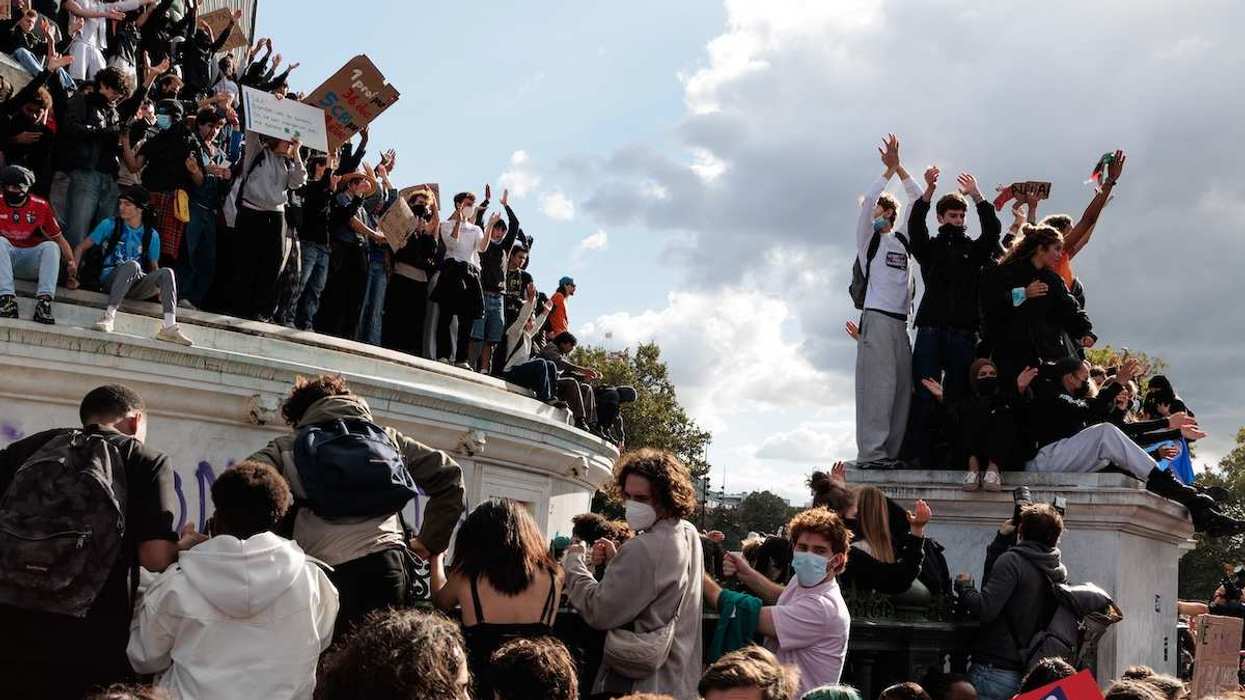
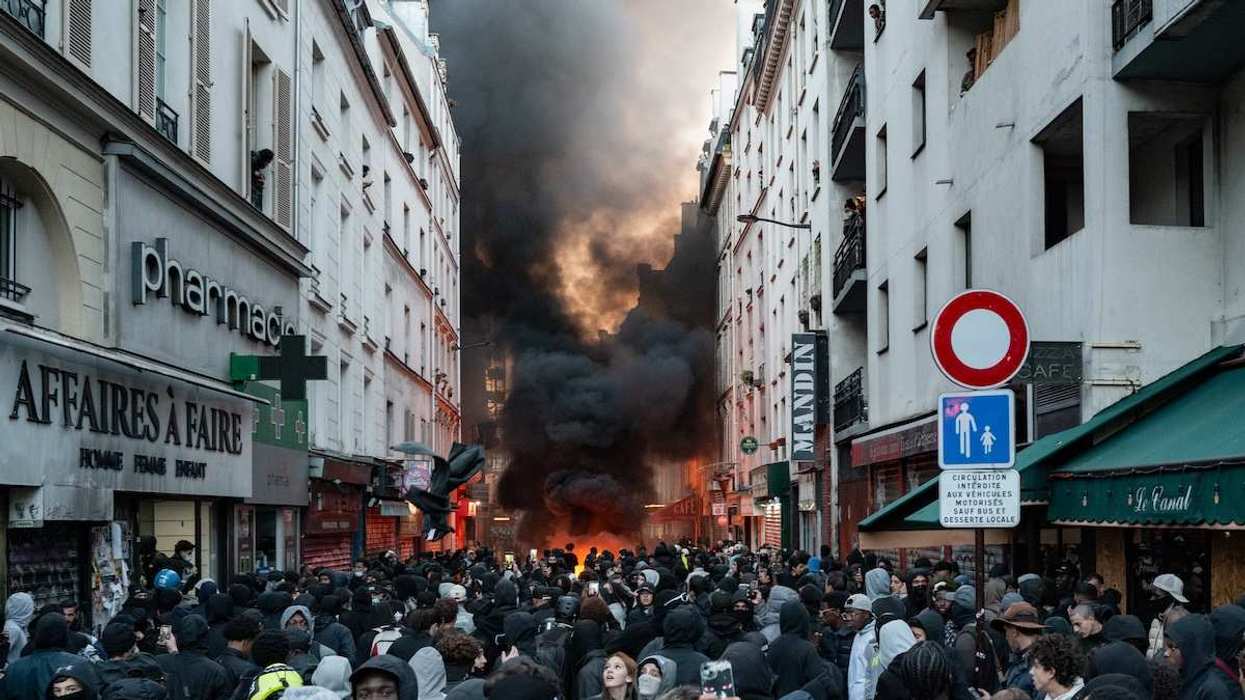
- An unprecedented student uprising across France reached crescendo with the march of more than a million people through Paris.
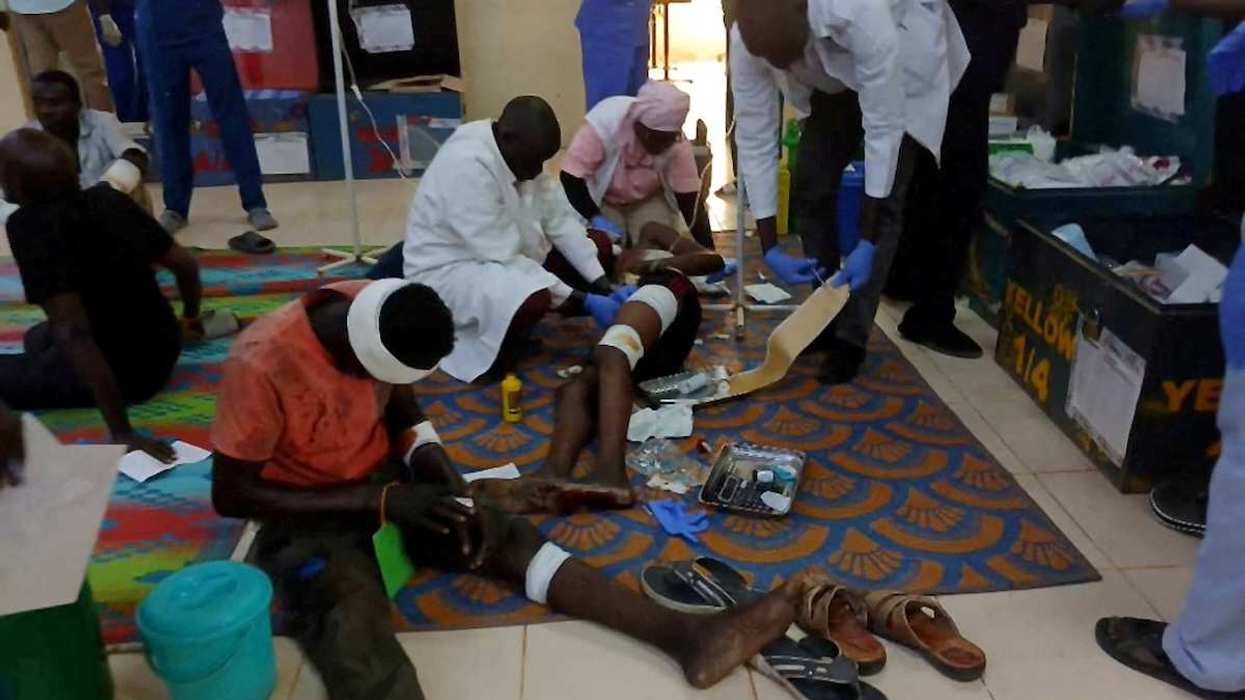
- A civil war in Nigeria between government forces and Biafran separatists created a humanitarian crisis.
- More than 750,000 Warsaw Pact troops crushed the Prague Spring in Czechoslovakia.
- Mao Tse-tung sent 17 million Chinese students, including current president Xi Jinping, “down to the countryside” as part of his Cultural Revolution.
- Hundreds were killed in student protests in Mexico City.
- Violent confrontations between protesters and police in Northern Ireland triggered 30 years of “The Troubles.”
Should this reminder of past turmoil give us comfort that the world is now a safer place? After all, US politics is now wildly dysfunctional, but it isn’t plagued with murder. Xi Jinping has amassed tremendous power, but China has changed, and the risk of Cultural Revolution chaos is not what it was. The Czech Republic and Poland have their problems, but now they’re democracies. Russia is governed by Cold Warriors, but it lacks Soviet military power and ideological influence. Ireland’s border creates headaches for Brexit negotiators, but Catholics and Protestants are not at war.
Or… does the unclear international balance of power, widening gaps between haves and have-nots within rich and poor countries, and the inability of governments to keep pace with the human implications of technological change mean that today’s troubles have only just begun?