Five people. A billionaire. A scientist. An inventor. A father and son. Two miles below the surface. At the wreckage of the Titanic.
All of them, now, gone, according to the US Coast Guard.
The tragic fate of the OceanGate Titan crew gripped the world in another Titanic obsession for obvious reasons. It led to a massive search operation that has had US and Canadian naval ships, Coast Guard vessels, and many others desperately rushing to … do whatever they could. But the bottom of the ocean is as inhospitable, as dangerous, and frankly, less accessible today than outer space. Eventually, physics gave way to prayer – never a good place to be – and, now, confirmation that it has ended in the worst possible way.
The intense search effort – which highlighted the intimately close relationship between the US and Canada, especially in times of crisis – has also been criticized as a stark reminder of the abdication of other wider responsibilities these two countries have to vulnerable people around the world. Contrast the attention, money, and material lavished upon the Titan search versus those sent to help the hundreds of lives lost in the Mediterranean Sea after a smuggler-run fishing boat jammed with migrants sank. Bodies are still being found today. Did the world do enough? Obviously not. Why was there an obsession to help five people on an adventure and not hundreds of people fleeing to freedom from a life of poverty?
I am loath to compare pain and tragedies – they are both deserving of attention, resources, and help – but proportionality matters. And the harsh reality is, there is no fairness in these matters. The rich get more resources than the poor. This is not to justify the unfairness but to call it out. Other factors, like race, religion, and country also play a part. Why is there more research money spent on curing male pattern baldness than malaria, as Bill Gates pointed out a decade ago? The market of money shapes and distorts the market of empathy. Who gets the resources for help? What are our obligations to people in danger?
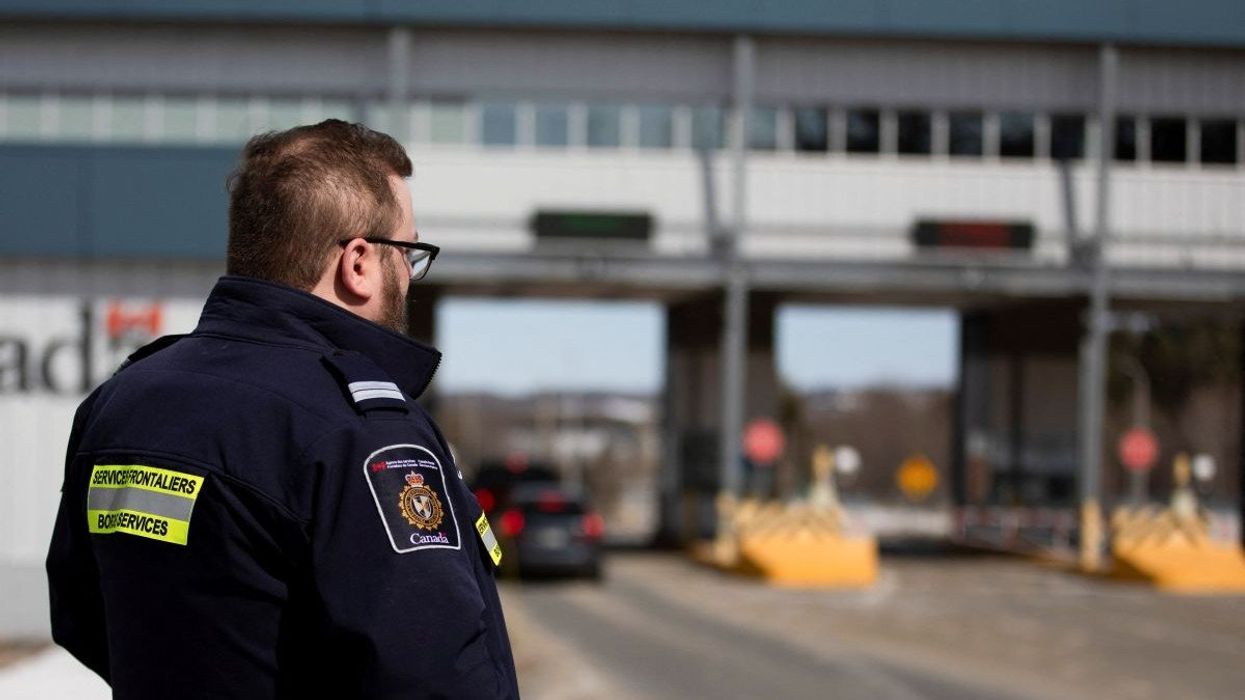
These are not just maritime disaster issues, but immigration ones as well. As we cover this week in GZERO North, Canada’s Supreme Court just ruled that the Safe Third Country Agreement stands, meaning that refugees who transit through the United States, from say, Latin America, and cross into Canada, will be turned back to the US and processed there. Critics have said this puts refugees in real danger (the court said the discretionary exemptions based on key factors make it legal), but the politics of immigration in Canada is also ricocheted by the US obsession over its Mexican border troubles.
The cost of this isn’t just absorbing fatal gaps in our empathy – it also has a huge consequence for population growth and productivity. Canada has welcomed a record number of immigrants – over a million last year – and its population just reached 40 million people. This has driven a higher level of employment (especially driven by non-permanent residents) and, according to officials, immigration is responsible for almost all of Canada's growth in the labor force. Politically, high immigration rates and accepting refugees is also popular, even if it is debated.
In the US, immigration and refugee issues are lightning rods of political division, amplified by the crisis at the Mexican border. Not only that, but US Census results are just out and the focus is on how many white immigrants came to the country. Without immigration, according to the Census, white population numbers would have fallen. Immigration in the US is a proxy debate for race, economic and housing issues, xenophobia, and values. Just who should be welcome and how is one of the defining questions of US politics.
In some ways, the terrible and now sad drama that unfolded miles under the ocean is a microcosm for issues on land, asking the same unsettling question: What are our responsibilities for people in need?
– Evan Solomon, Publisher
To get Evan's column in your inbox each week, subscribe to GZERO North.