Three months ago: Colombia government, ELN resume peace talks
One of Gustavo Petro’s first orders of business after becoming Colombia’s president in Aug. 2022 was to bring “total peace” to the country. As a result, three months ago, his leftist government announced it was resuming talks with the National Liberation Army, a guerilla group known as ELN, for the first time since 2019. The talks were hailed as a big deal considering that the 2,400-member strong force has been at war with the government since the 1960s. The ELN was the largest guerrilla group not to sign onto a historic 2016 peace deal between the government and guerilla groups, including the Revolutionary Armed Forces of Colombia. Since then, violence by the ELN and other armed groups financing their operations through drug trafficking and illegal mining has continued to terrorize Colombians, particularly in rural areas. Last week, however, Petro, a former guerilla, announced a breakthrough, saying his government had reached a peace agreement with the ELN for a six-month ceasefire. But the ELN came out shortly after and said no deal had been reached, stating that “a unilateral government decree cannot be accepted as an agreement.” Petro, for his part, has not responded to the group’s denial. Still, communication is a good thing, and the two sides say they will continue talks this month in Mexico. Petro discussed these issues, and more, in an interview with GZERO Media.
Six months ago: Sri Lankans’ wrath boils over
The global summer of discontent – prompted partly by post-pandemic economic turmoil and aggravated by the war in Ukraine – was on full display in Sri Lanka in July, where, as we wrote here, long-simmering public wrath directed at Sri Lanka’s leader over the country’s economic collapse finally boiled over. After months of blackouts and food scarcity that forced Colombo to default on its external debt for the first time in May 2022, thousands of Sri Lankans forced the ouster of President Gotabaya Rajapaksa before storming his residence. (The photos of them swimming in the president's pool were quite something.) While Sri Lanka’s economic path remains precarious – Colombo was forced last year to limit imports to essentials – there has been some progress. In September, President Ranil Wickremesinghe reached a preliminary deal with the International Monetary Fund for a $2.9 billion bailout package after Colombo made some reforms earlier in the year, including floating the rupee. But the IMF won’t follow through until Sri Lanka restructures the billions of dollars in debt owed to three main creditors: India, China, and Japan. Talks between Colombo and all three economic powerhouses remain ongoing, but a range of issues have prevented a deal from being reached before the end of 2022, which Colombo had been aiming for.
Nine months ago: No cakewalk for Emmanuel Macron
Back in April, we reported on French incumbent Emmanuel Macron’s electoral successes – he not only won a second term as president, a mean feat in French politics, but he also kept the country’s increasingly influential anti-establishment forces, on the right and left, at bay. Still, we noted that Macron’s second term would be anything but a cakewalk, with him facing a host of thorny issues at home and abroad. Fast forward nine months and it hasn’t been smooth sailing for Macron – and things are bound to get even dicier in the weeks ahead. In parliamentary elections back in June, Macron’s Ensemble Together bloc finished 44 seats short of a majority in the National Assembly, crippling the president’s ability to easily pass legislation and giving birth to what one French publication described as a “stillborn five-year term.”
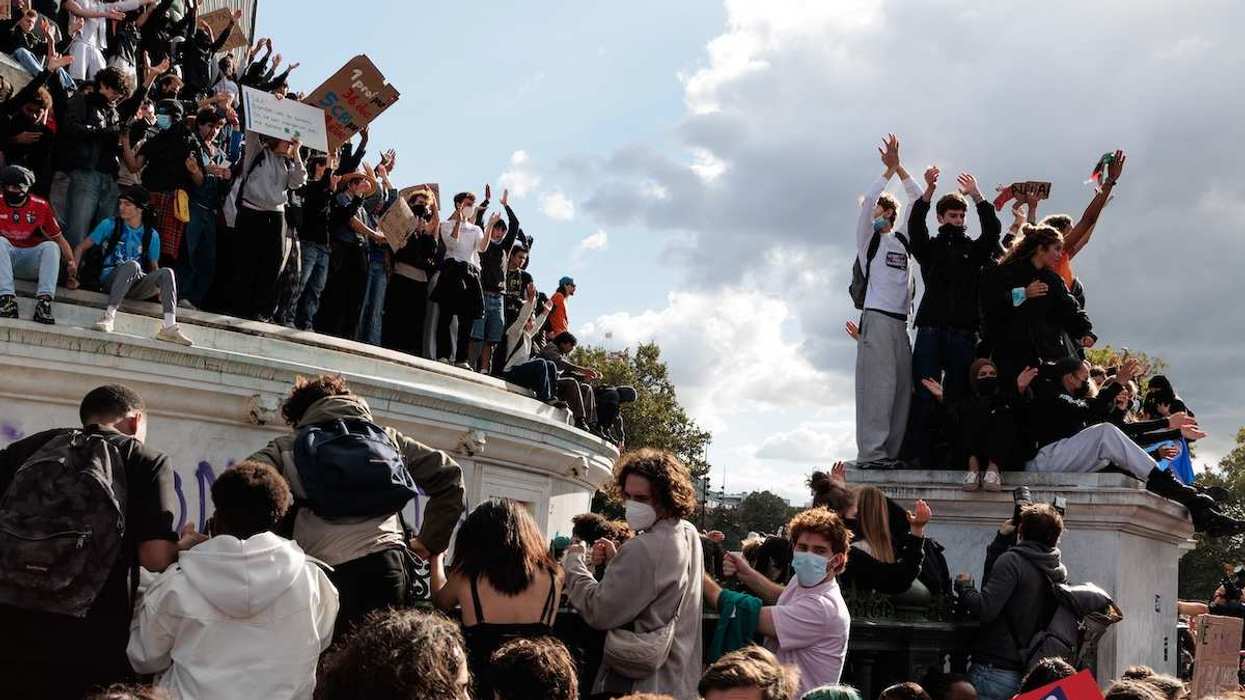
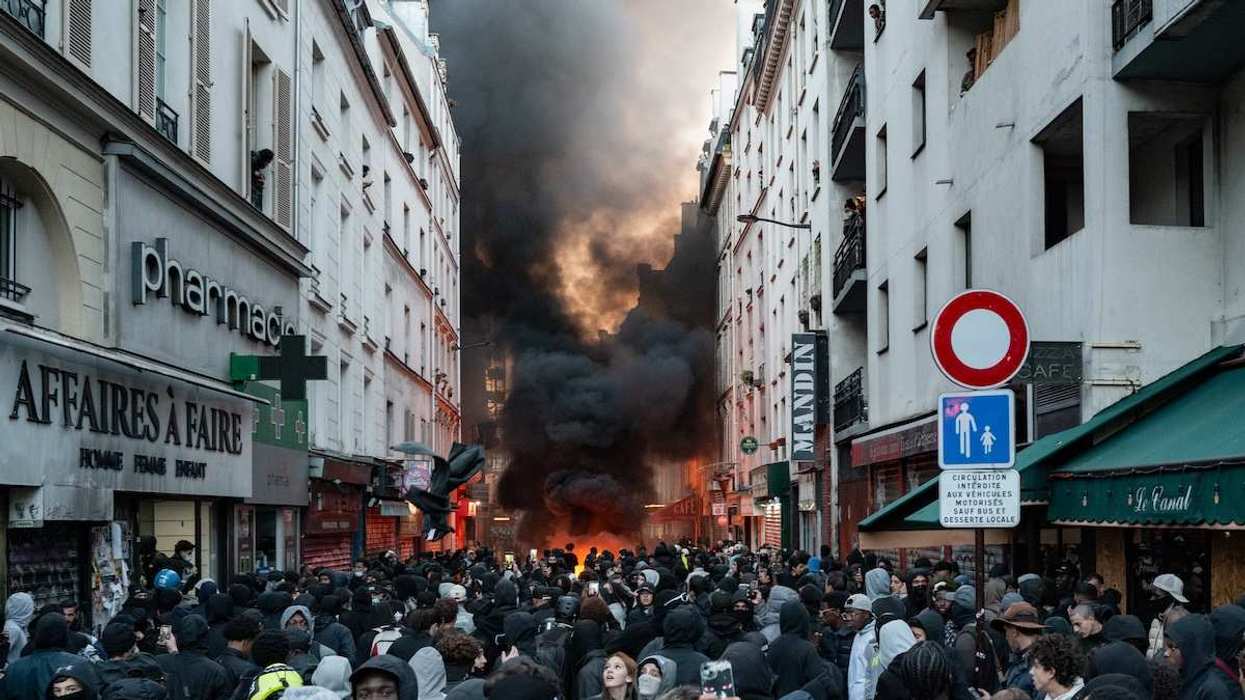
The difficulty in getting his legislative agenda through will likely to come to a head soon as Macron is pushing ahead this week with his pension reform plan, which would raise the retirement age by three years to 65 – a move unpopular with roughly 70% of French voters. While Macron can find ways to get this through parliament using emergency powers, the government is already bracing for mass public outrage comparable to strikes in 2019 against the same proposal that paralyzed the country. Still, Macron says he will move ahead with pension reform as it is central to his pledge to reduce France’s debt-to-GDP ratio. Moreover, while Paris has spent billions of dollars to subsidize electricity bills, the cap on power prices rose this month from 4% to 15%, which is bound to hurt consumers at a time when food inflation remains sky-high.