Jan. 6 committee suggests Congress ban Trump from office
After an 18-month inquiry, the House committee investigating the Jan. 6, 2021, attack on the US Capitol has released its final report, blaming Donald J. Trump of a “multi-part conspiracy” to overturn the 2020 presidential election results and of failing to stop the insurrection when he knew the situation was spiraling out of control. The report also points fingers at some of Trump’s former wingmen – such as Mark Meadows, Trump’s final White House chief of staff, and his lawyer Rudy Giuliani – naming them as potential “co-conspirators.” So what now? The report lays out steps to prevent this sort of calamity from happening again, including a proposal to strengthen the 14th Amendment's ban on insurrectionists that would prevent Trump and his enablers from ever holding office again. Though the report – which Trump has called “highly partisan” – carries no legal weight, it sends a powerful message to the US Justice Department, which is conducting its own investigation into the Jan. 6 attack.
Japan reverses course on nuclear power
Japan announced on Thursday that it will extend the lifespan of its existing nuclear power plants, restart mothballed ones, and build new facilities to replace those that get phased out. PM Fumio Kishida says this is necessary to maintain the power supply while reducing greenhouse gas emissions. But it's a major about-face for Japan, which in 2011 shut down all its atomic plants after the Fukushima meltdown, the worst nuclear accident since Chernobyl. On the one hand, public support for embracing nuclear has turned around recently due to rising energy costs and Japan's push to wean itself off Russian oil and natural gas. On the other, the archipelago remains as vulnerable to seismic activity as it did when a magnitude 9 earthquake triggered a tsunami that rocked Fukushima — not to mention what happened to Hiroshima and Nagasaki in 1945. Do you think Japan is doing the right thing? Let us know here.
A self-coup in Fiji?
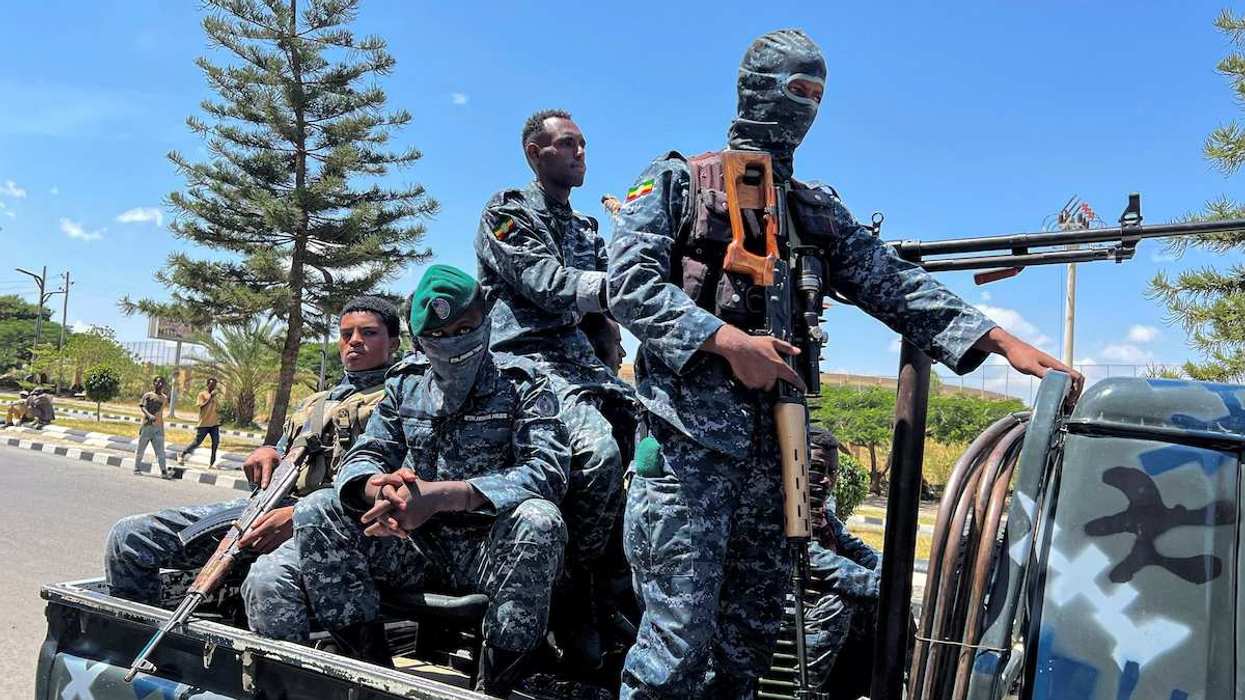
Fiji is known for its pristine beaches, world-class scuba diving, and kava, the mildly hallucinogenic national drink. But its politics have a dark side: Every few years, there's a military power grab. After a recent messy election delivered a hung parliament, an alliance of three opposition parties on Friday confirmed an earlier deal to return former PM Sitiveni Rabuka to the premiership. But current PM Frank Bainimarama won't concede and had responded by deploying the army to help the police maintain "law and order." Many Fijians are suspicious — after all, Bainimarama came to power 16 years ago in a bloodless coup, as did Rabuka in 1987. What's more, the recent unrest has rekindled a long-held beef between majority ethnic Fijians and minority ethnic Indians. We don't know how this will all turn out, but things are not looking good in this Pacific island paradise.
Is Guaido’s time up?
Four years ago, Juan Guaido was touted as Venezuela's rising political star, who was going to rescue the country from strongman President Nicolas Maduro and bring better days to the people of Venezuela. Now, the former wunderkind is on the verge of being ousted as head of the opposition ahead of a vote next week in the National Assembly. At least 70 lawmakers from three of the four parties that make up Venezuela's opposition say they will back a motion to ditch Guaido as leader. “We can’t continue with a strategy that has shown no results,” one lawmaker said. In 2018, after general elections that were broadly seen as a power grab by Maduro, Guaido set up a shadow government backed by the West. But as Maduro has retained control of the military, and Guaido’s domestic popularity has plunged to around 17% – only a handful of Western governments (including the US) now recognize him as the country’s legitimate president. Infighting within the opposition is good news for the Maduro regime, which was already buoyed by the US recently easing some sanctions on its oil sector. Critics say Guaido has made no progress in moving the country towards new elections. But who will replace him?