Netanyahu on the ropes: Things have gone from bad to worse in recent days for Benjamin Netanyahu, Israel's longtime prime minister. Protests — the biggest anti-government mobilization in years — swept the nation after Israel recorded the highest number of new daily COVID cases amid its worst-ever recession. But one thing Netanyahu has always had going for him is the steadfast loyalty of his Likud party… until now. As the Israeli PM's approval rating dipped to 26 percent, several Likud members broke with decades of precedent by speaking out against his poor handling of the country's "second wave." (A whopping 49 percent of Israelis say they've lost faith in the government and want new elections.) Meanwhile, Naftali Bennett, a former protégé of Netanyahu who heads the far-right Yemina party, is surging ahead in the polls. In recent weeks it seemed increasingly likely that Netanyahu would steer the country towards new elections (the fourth in less than two years) in order to bypass a parliamentary stalemate on key issues. But with his upcoming corruption trial and cratering support, it seems like the forever leader's options might be running out…
The Kremlin's Kyrgyz concerns: The prime minister has resigned. Opposition parties are squabbling over who is in control. Mass protests are calling for the ouster of the president. The political crisis in Kyrgyzstan, which began with allegations of fraud in last weekend's parliamentary vote, is deepening by the day, and Russian president Vladimir Putin can't be happy about it. Alongside the recent democratic uprising in Belarus and a spiraling war between Armenia and Azerbaijan, this is the third major new crisis to flare up among former Soviet republics that Russia considers to be within its sphere of influence. On Thursday, the Kremlin weighed in saying Kyrgyzstan is "in chaos" and cited its treaty obligations to stabilize the country. We are watching to see if local forces can settle their differences enough to get to an election re-run, or whether Putin — who just two weeks ago pledged his support to the embattled Kyrgyz President — feels he has to act more decisively before things get worse.
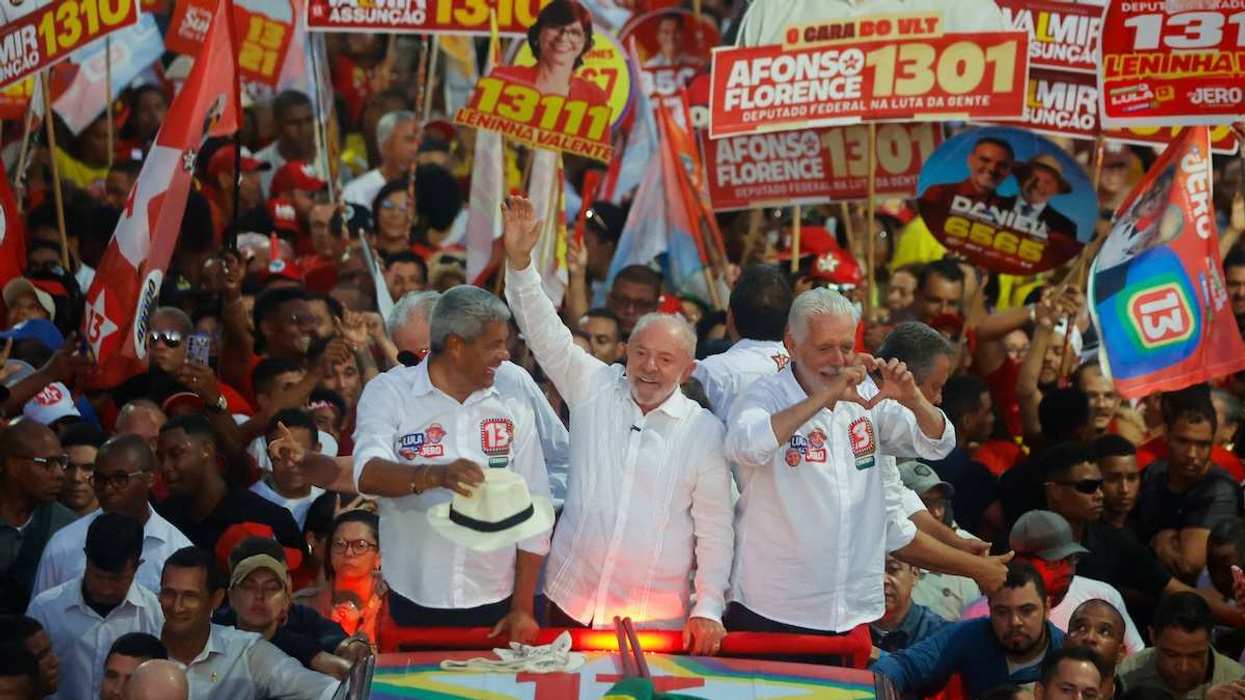
No more corruption in Brazil? Brazilian President Jair Bolsonaro has decided to end the landmark "Operation Car Wash" corruption investigation because, he says, under his watch, government corruption is no longer a problem. "Operation Car Wash" was a sweeping graft probe that landed hundreds of businesspeople and former President "Lula" da Silva in jail for accepting illegal kickbacks from construction projects — and helped Bolsonaro win Brazil's 2017 presidential election after it exposed rampant corruption linked to the then-ruling Workers' Party. It seems Bolsonaro may have forgotten that Sergio Moro, the federal prosecutor who led that probe before he became Bolsonaro's former justice minister, quit months ago after the president fired the national police chief for looking into the alleged criminal activities of several Bolsonaro allies (including two of Bolsonaro's sons). We're keeping an eye on how the president's latest gambit plays out in next month's municipal elections.