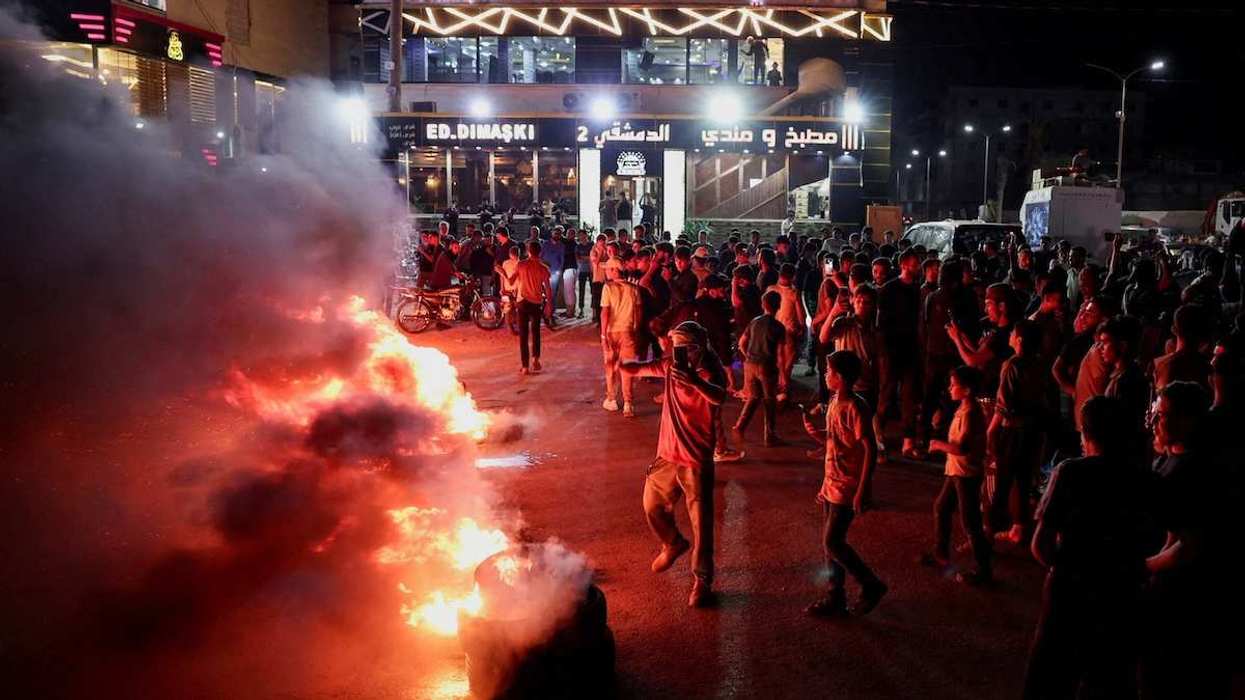
Post-election unrest rocks Kyrgyzstan: After mass protests over alleged irregularities in Sunday's parliamentary elections, authorities in Kyrgyzstan — a small former Soviet republic in Central Asia — have nullified the results, opening the way to a fresh vote. Only four of 16 parties won seats, and (by sheer coincidence!) three of those parties have close ties to President Sooronbai Jeenbekov. The result prompted supporters of the other twelve parties to hit the streets, where they clashed with riot police and later ransacked parliament. Opposition leaders — with backing from international observers — say there is evidence of vote-buying. Some are now openly seeking to unseat Jeenbekov, who was elected in 2017 in the first democratic transfer of power in Kyrgyzstan's history. The country is no stranger to political unrest — over the past 15 years, protests have ousted two presidents. We are watching to see if Jeenbekov can reach a deal to placate the opposition and hold fresh elections, and also keeping an eye on how the Kremlin responds — if there's one thing Putin doesn't like, it's (more) democratic uprisings in his neighborhood.
Indonesians cry foul over new labor law: Indonesian workers are up in arms over the country's new labor law, which aims to increase much-needed foreign investment by loosening the protections for the environment and workers' rights. On Tuesday, millions of workers went on strike despite pandemic-related restrictions to protest against the pro-business changes, which environmental groups and unions believe will lead to rampant deforestation and disproportionately hurt poorer Indonesians. Meanwhile, independent experts say the "omnibus" bill, which revised more than 70 existing laws, was rushed through parliament. The government, for its part, argues that the reforms were needed because the previous labor legislation deterred formal hiring and scared off long-term investment. In an interesting response to the unrest, Indonesian police have dispatched cyber patrols to prevent protesters from organizing online and launched counter-narratives to defend the new law on social media.
High waters laid low in Venice: Okay, you need some good news, so here it goes… For almost thirty years, Venice has been trying to complete a flood barrier to stop high tides from flooding the city of canals. But repeated construction delays and corruption scandals surrounding the project made many Venetians think they'd never see the day when a system of massive metal plates would rise up in the sea to stop the acqua alta (the "high water" tides that roll in between fall and early spring.) But last Saturday was, at long last, that day. As the sea swelled, the 78 barriers slowly rose up, and at high tide the famous Piazza San Marco — one of the lowest points in the city — was… dry! The urgency of developing a flood solution for Venice has grown in recent years as global sea levels rise due to climate change. In 2019 an acqua alta flooded 90 percent of Venice, causing massive economic damage just before the coronavirus pandemic killed off the tourism industry that supports the city.