Skip to content
Search

Latest Stories

GZERO AI

SCOTUS muddies the AI regulation waters with Chevron decision

​A view of the U.S. Supreme Court in Washington, U.S. June 29, 2024.

A view of the U.S. Supreme Court in Washington, U.S. June 29, 2024.

REUTERS/Kevin Mohatt

On Friday, the US Supreme Court struck down a landmark ruling on federal agencies’ power, known as “Chevron deference,” that required courts to defer to the agencies’ “reasonable” interpretations of “ambiguous” federal legislation.

This means federal regulations – from telecom and environmental rules to work safety and AI regulation – could now face increased legal challenges, which is a big win for conservatives looking to rein in the executive.


The case: While it sounds like an obscure chess gambit, “Chevron deference” was a pretty straightforward legal doctrine. It held that federal agencies could make their own rules when Congress left aspects of law ambiguous – which they often do – and that courts should defer to the expertise of each agency. But Friday’s ruling held that the executive branch was essentially carrying out lawmaking responsibilities that should be left to Congress.

The AI upshot? The immediate impacts on AI regulation will be limited because there isn’t much on the books yet. To get future regulations to stick under the new ruling, however, Congress will likely have to lay out regulations in minute detail or write laws specifically empowering agencies to cover certain aspects of regulation. Given how slowly Congress moves, the extra legwork could put regulation perpetually behind the pace of innovation. And Congress isn’t known for its tech expertise. Remember when Mark Zuckerberg had to remind one member how social media companies make money: “Senator, we run ads”? Or when another senator asked if the company would “end finsta”?

The danger here is that, depending on how the ruling is interpreted, Congress may have to be overly prescriptive about AI – “if it can get a law passed at all,” says Eurasia Group’s Scott Bade. “Given how slowly Congress acts, the question then is whether laws can be written in a way that keeps up with the rapid evolution of AI technology.”



More For You

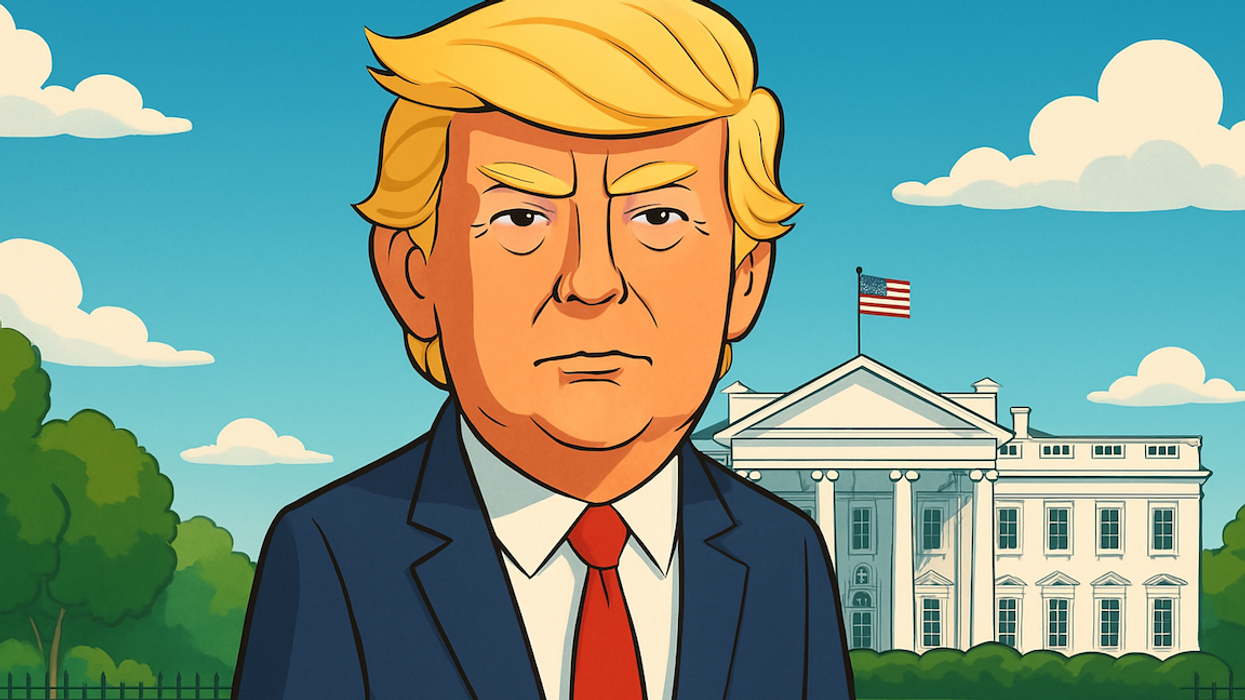
What we learned from a week of AI-generated cartoons
Courtesy of ChatGPT
Last week, OpenAI released its GPT-4o image-generation model, which is billed as more responsive to prompts, more capable of accurately rendering text, and better at producing higher-fidelity images than previous AI image generators. Within hours, ChatGPT users flooded social media with cartoons they made using the model in the style of the [...]
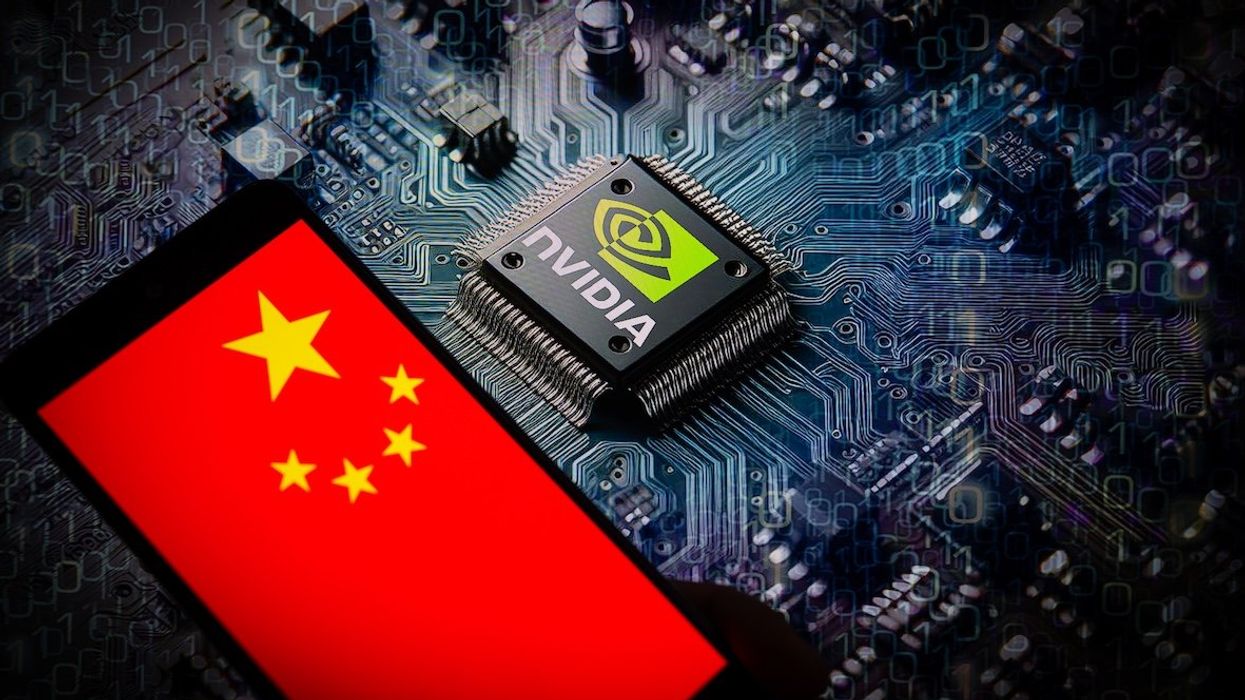
The flag of China is displayed on a smartphone with a NVIDIA chip in the background in this photo illustration.

The flag of China is displayed on a smartphone with a NVIDIA chip in the background in this photo illustration.

Jonathan Raa/NurPhoto via Reuters
H3C, one of China’s biggest server makers, has warned about running out of Nvidia H20 chips, the most powerful AI chips Chinese companies can legally purchase under US export controls. [...]
​North Korean leader Kim Jong Un supervises the test of suicide drones with artificial intelligence at an unknown location, in this photo released by North Korea's official Korean Central News Agency on March 27, 2025.

North Korean leader Kim Jong Un supervises the test of suicide drones with artificial intelligence at an unknown location, in this photo released by North Korea's official Korean Central News Agency on March 27, 2025.

KCNA via REUTERS
Hermit Kingdom leader Kim Jong Un has reportedly supervised AI-powered kamikaze drone tests. He told KCNA, the state news agency, that developing unmanned aircraft and AI should be a top priority to modernize North Korea’s armed forces. [...]
The logo for Isomorphic Labs is displayed on a tablet in this illustration.

The logo for Isomorphic Labs is displayed on a tablet in this illustration.

Igor Golovniov/SOPA Images/Sipa USA via Reuters
In 2024, Demis Hassabis won a Nobel Prize in chemistry for his work in predicting protein structures through his company, Isomorphic Labs. The lab, which broke off from Google's DeepMind in 2021, raised $600 million from investors in a new funding round led by Thrive Capital on Monday. The company did not disclose a valuation. [...]