A few weeks ago, a Signal reader emailed me to ask why so much of our coverage of the world is so damn dark. Aren't there any good news stories out there?
He's right, of course, and I said so. I assured him that every time it's my turn to write a lead story, I think about that.
We do look for hopeful stories, or at least humor, every day — and they're not hard to find. But we usually end up writing about threats and crises because those stories seem so much more important and so urgent in a given week.
I was thinking about this as I combed through the news for a lead for today's edition of Signal. Here are the stories I considered:
- COVID's lambda variant hits Latin America.
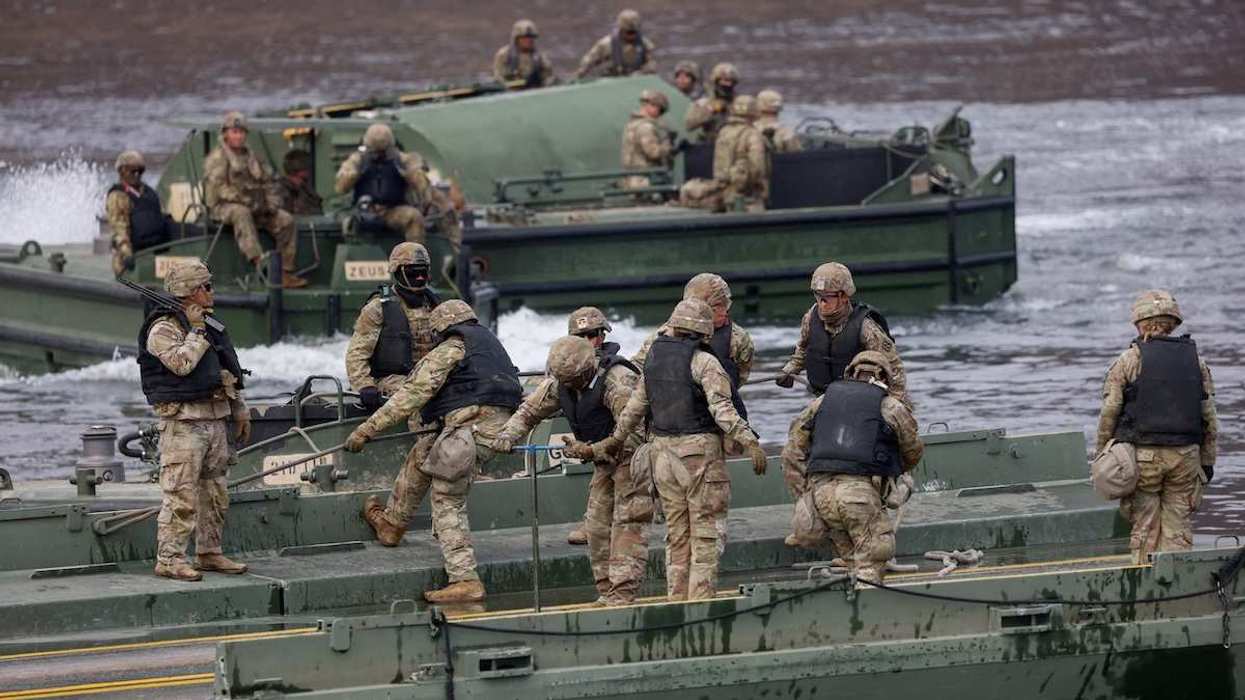
- Many Afghans are lining up for passports to escape the coming bloodbath and oppression that will follow the Taliban takeover once the US withdraws.
- The political crisis in Tunisia triggers a surge in social media manipulation from other countries.
- A new study warns that climate change is reaching a tipping point.
- America's political divide is widening (even further!) as hearings begin on the January 6 insurrection at the US Capitol.
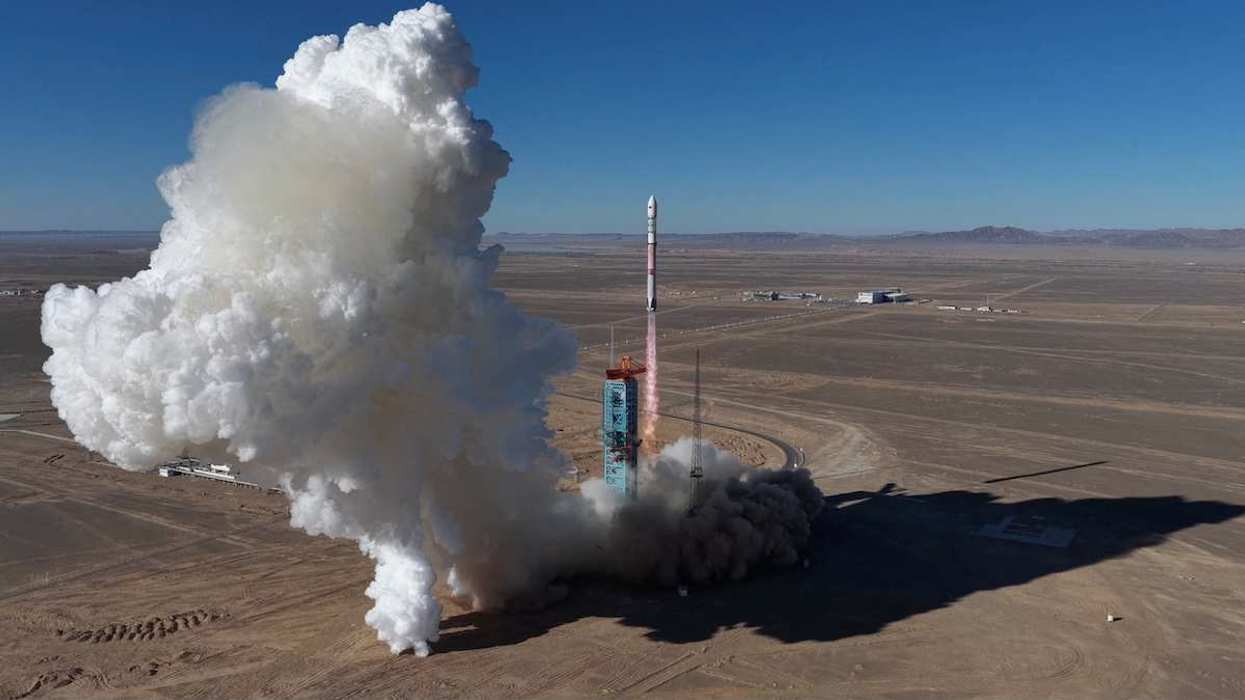
- China appears to be building a missile silo field.
Now, let's take a moment to question the clarity of our vision of today's world. Here's a thought experiment.
Think of a science-fiction film that takes place on Earth in the future. Any film that fits that description…
Got one?
A few options to consider: Blade Runner, Soylent Green, Mad Max, Metropolis, The Hunger Games, Strange Days, Escape from New York, A Clockwork Orange, V for Vendetta, Rollerball, District 9, Fahrenheit 451, THX1138, and 1984.
Notice a pattern?
Apparently, the future is a violent place of darkness, devastation, and dystopia. So, are the films listed above — and the books that many of them are based on — a prescient warning of collapsing societies and a coming new Dark Age? Or worse?
I'm old enough to remember The Day After, a TV movie that aired across America in 1983 which graphically depicted a nuclear war as very few people had seen it before. Here's a local New York City TV news story from 38 years ago that captured the horrified nationwide reaction.
Now for a sanity check.
Over the past several decades, global trade and the information age have helped lift billions of people out of poverty around the world, creating the first global middle class in human history.
Read any of the progress reports on UN Sustainable Development Goals from recent years, and you'll come away with new faith in what human beings can do, despite the COVID setbacks. People live longer, healthier lives than ever before. They have more and better opportunities to work, learn, invent new things, build, and prosper. Many people whom we consider poor have gadgets in their pockets that give them powers the Sun King could never have imagined.
Life just isn't as "solitary, poor, nasty, brutish and short" as it used to be, and nobody's eating Soylent Green — though it sure does seem like a bunch of our billionaires can't wait to get out of here.
Yes, the bad news is real too. Gains can be lost. Climate change is happening, and COVID continues to evolve and kill. Technological changes in the way we get information about the world can distort our vision, and political polarization is truly dangerous. Wars continue, refugee numbers are rising, and inequality of opportunity can't be ignored.
These are real threats and losses, and they're shaping our present and future. We must try to understand these threats, because there's nothing inevitable about human progress.
Yet, humans adapt, and our capacity to invent solutions should never be underestimated. The world has emerged more secure and more prosperous following the great wars of the past. Many people faced with crisis do cooperate to make things better. We survived the Cold War. We got through 1984 and 2001. Blade Runner was set in the year 2019.
Your Signal authors will keep writing about crises and turmoil, because these stories deserve your attention.
But we don't underestimate the human capacity for positive change, and neither should you.
Tell us what you think, Signal readers. Agree? Disagree? What are we missing?