Will the US and Iran reach a nuclear deal before 2027? Will the Cuban regime fall this year? Will France win the World Cup?
These questions are generating up to millions of dollars today on prediction markets — platforms where people wager on the outcomes of real-world events. If you’re right, you profit. If you’re wrong, you lose your stake. “Contracts,” or wagers, can be as cheap as $0.01, but as they become more popular, higher wagers are staked and the rare windfall from an accurate prediction can be massive.
Over the past year and a half, prediction markets have evolved from niche digital exchanges into global financial arenas in their own right. Monthly trading volume on platforms like Polymarket, Kalshi, Limitless, and Predict.fun has surged from roughly $1.2 billion early last year to more than $20 billion this January, according to the crypto analytics company TRM Labs.
How did prediction markets become so big?
Sports betting has grown steadily since its legalization in the US in 2018. But as our Graphic Truth shows, “notional” trading volume — the face value of bets — spiked sharply in October 2024, when a US appeals court cleared the way for Kalshi to offer betting tied to elections, just weeks before the presidential vote.
As billions of dollars flowed in, media attention followed. Coverage intensified when Polymarket odds showed Donald Trump leading by more than traditional polls suggested – a narrative Trump himself amplified on Truth Social. After the first presidential debate between Kamala Harris and Trump, betting markets were in the spotlight as they showed her briefly pulling ahead of Trump.
Prediction markets have since become events in their own right: tightly intertwined with geopolitical developments and closely watched by traders, analysts, and the public.
The same weekend in early January that Trump publicly weighed military action against Iran, Polymarket odds were featured during the Golden Globe Awards telecast. Since the US and Israel launched strikes on Iran in February, wagers tied to the conflict – spanning everything from whether the Supreme Leader would be killed to what Iranian demands Trump might agree to as part of a “deal” – have drawn more than $2 billion in wagers, according to some estimates.
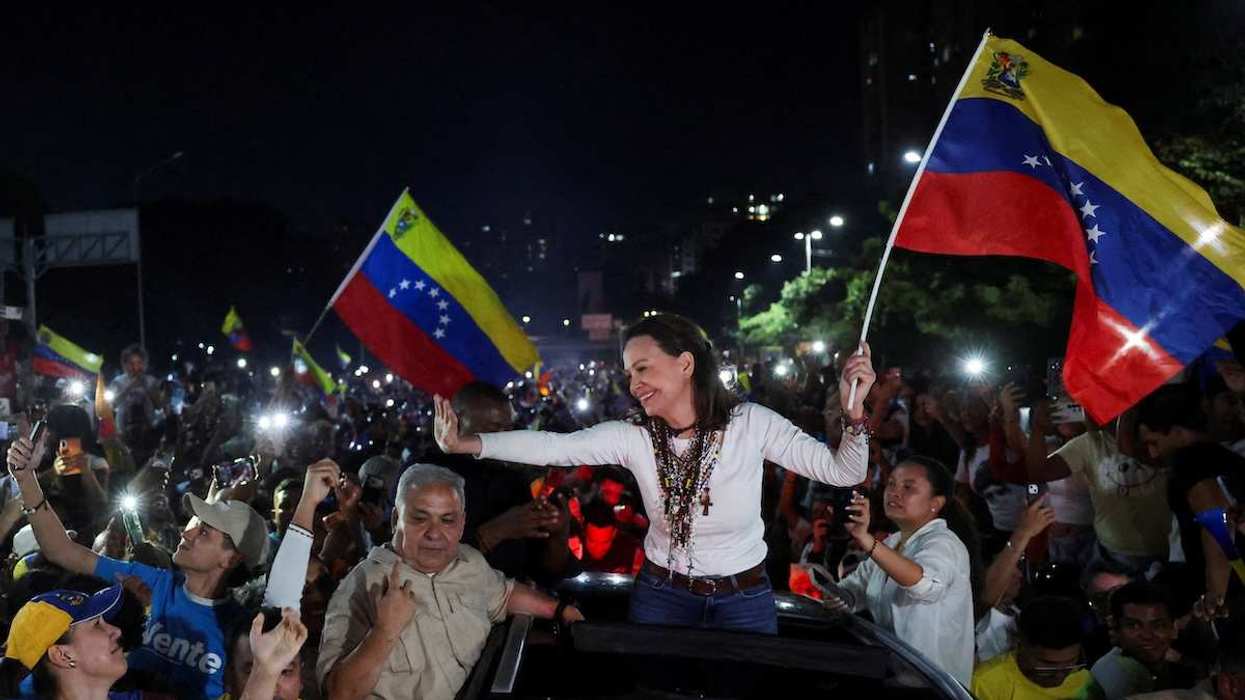
But as prediction markets have surged, so have concerns. A US soldier involved in the operation to abduct Venezuelan president Nicolás Maduro in January was charged last month with using classified information about the operation to win more than $400,000 on Polymarket.. Insider trading allegations are also dogging the White House amid speculation over well-timed, large-scale bets around Trump’s major announcements on the conflict.
Regulations on prediction markets vary by country, with some, like Brazil, even blocking the platforms altogether. In the US, they operate under a patchwork of state laws, though federal efforts are showing signs of picking up. Last week, the US Senate unanimously voted to ban itself from placing wagers on prediction markets and some Senators have called for a ban on all government officials. One key issue is whether to regulate these platforms as gambling or as financial futures.
There’s some momentum in that direction in the private sector too. Eurasia Group, GZERO’s parent company, recently banned all staff and their families from betting on prediction markets, with company founder Ian Bremmer arguing that political betting markets are “corrosive” to public life. A handful of other companies have taken similar steps, and more are weighing such bans in the future.
The two largest platforms, Kalshi and Polymarket, for their part, outlined measures in March to curb insider trading – with Kalshi even banning congressional candidates this spring over alleged wrongdoing. Both also welcomed the Senate’s action.
Will we see more regulation in the future? Maybe it’s worth betting on.