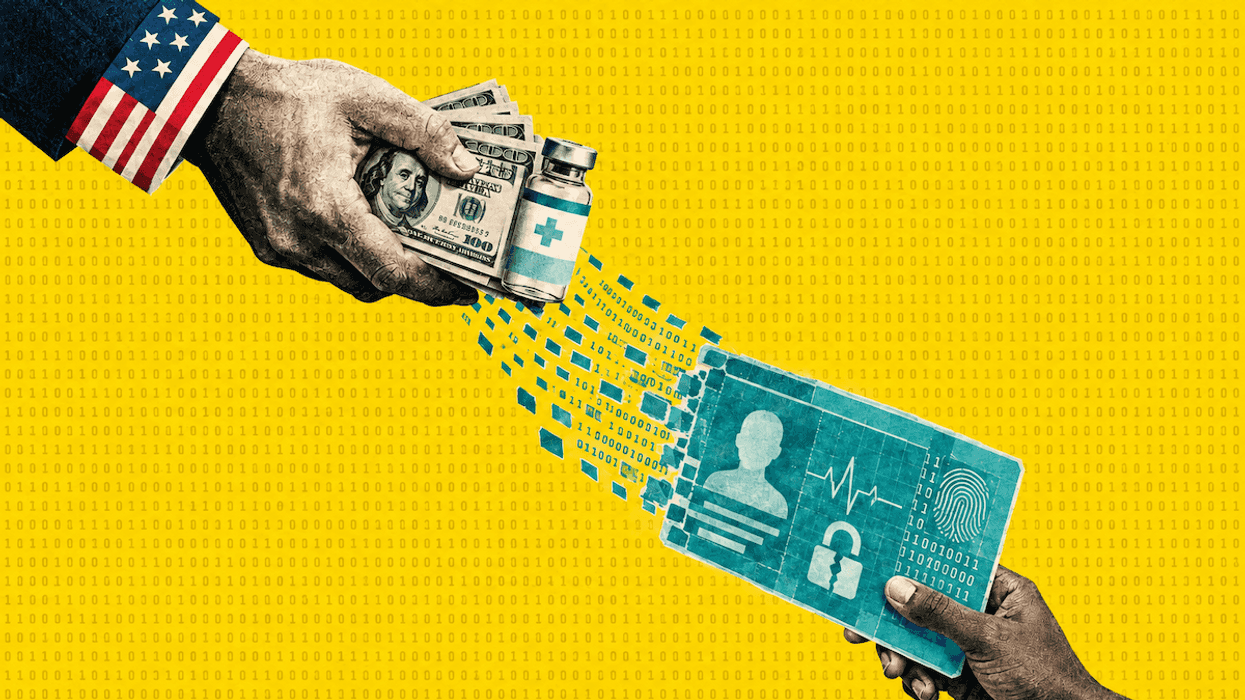
Who do you trust more with your money: Mark Zuckerberg or your country's central bank? It's not just a theoretical question: When Facebook launched its Libra digital currency project back in June, we predicted it would provoke a sharp response from governments.
Since then, regulators the world over have placed obstacles in the way of the Facebook-backed cryptocurrency – Germany and France recently said no dice to Libra in its current form; the G7 countries, US lawmakers, and Chinese bureaucrats have also voiced concerns. In fact, China has accelerated work on a digital renminbi in response to the Facebook project, while Sweden's central bank is gearing up to test an e-krona that could take the place of cash.
So why do governments in many countries want to muscle in on the virtual currency craze? And why should you care? Here are a few reasons:
To Gain More Control – By replacing hard-to-track cash with state-issued digital money, governments can more easily find out who is buying what from whom. That could help catch tax cheats and fraudsters, creating more government revenue that can be spent for the public good, and shake up how government technocrats track economic growth and inflation. But depending on how a sovereign digital currency was designed, it could also give the state a powerful new tool to help it spy on citizens. For some governments, that's not a bug, it's a feature.
To Stick It To the US – The Trump administration's liberal use of financial sanctions to pressure America's adversaries has led big US foes—and some frustrated allies—to voice support for the creation of new alternatives to the dollar-based global payment system. The dollar's global hegemony won't be broken overnight. That's because the US currency accounts for about 60 percent of an estimated $11 trillion of foreign exchange reserves, and much of the world's outstanding sovereign debt is denominated in dollars. (The total market value of all the world's cryptocurrencies, by contrast, is a mere $250 billion.) But for countries like Venezuela, Russia, Iran, China, and even some European allies, state-backed virtual currencies that bypass financial middlemen who depend on access to greenbacks might help chip away at this unique source of US power.
To Fend Off Silicon Valley – Ten years after the world's original cryptocurrency appeared, Bitcoin remains a niche product. But just a fraction of Facebook's 2.5 billion users would need to adopt Libra to make it a powerful force in global finance. Governments around the world are already concerned about the growing influence of the biggest tech companies over commerce and fake news. They don't want Mark Zuckerberg, or any other tech zillionaire, taking away their control of money, too.
Who's Going to Win? Facebook and Libra's other backers have raw numbers and technical skill on their side, but governments have some enormous advantages in this fight: They can pass laws that make it harder for companies to launch virtual currencies. Perhaps most importantly, they get to decide which currencies they will accept for payment of taxes. That could give government-issued virtual cash a built-in market that even the world's biggest social network might struggle to match.