Skip to content
Search

Latest Stories

Africa

How long must Haitians wait for help?

FILE PHOTO: Men run next to burning tires during a protest demanding an end to gang violence, in Port-au-Prince, Haiti, August 14, 2023.

FILE PHOTO: Men run next to burning tires during a protest demanding an end to gang violence, in Port-au-Prince, Haiti, August 14, 2023.

REUTERS/Ralph Tedy
Make us preferred on Google

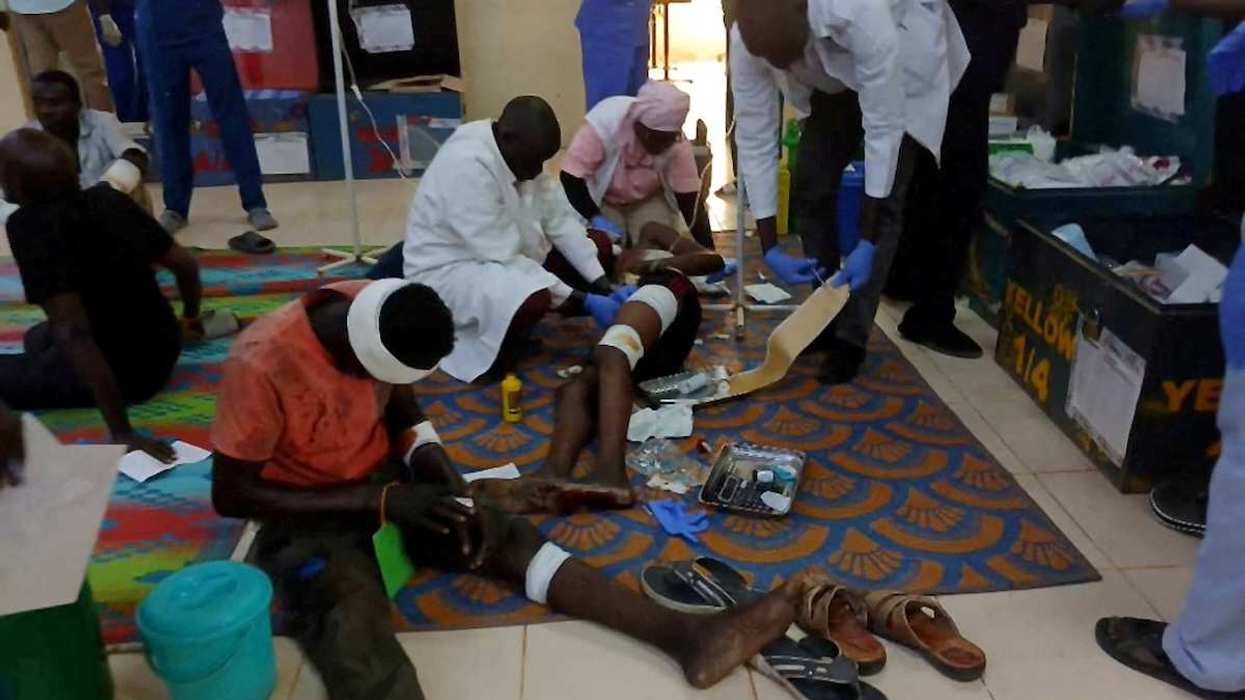
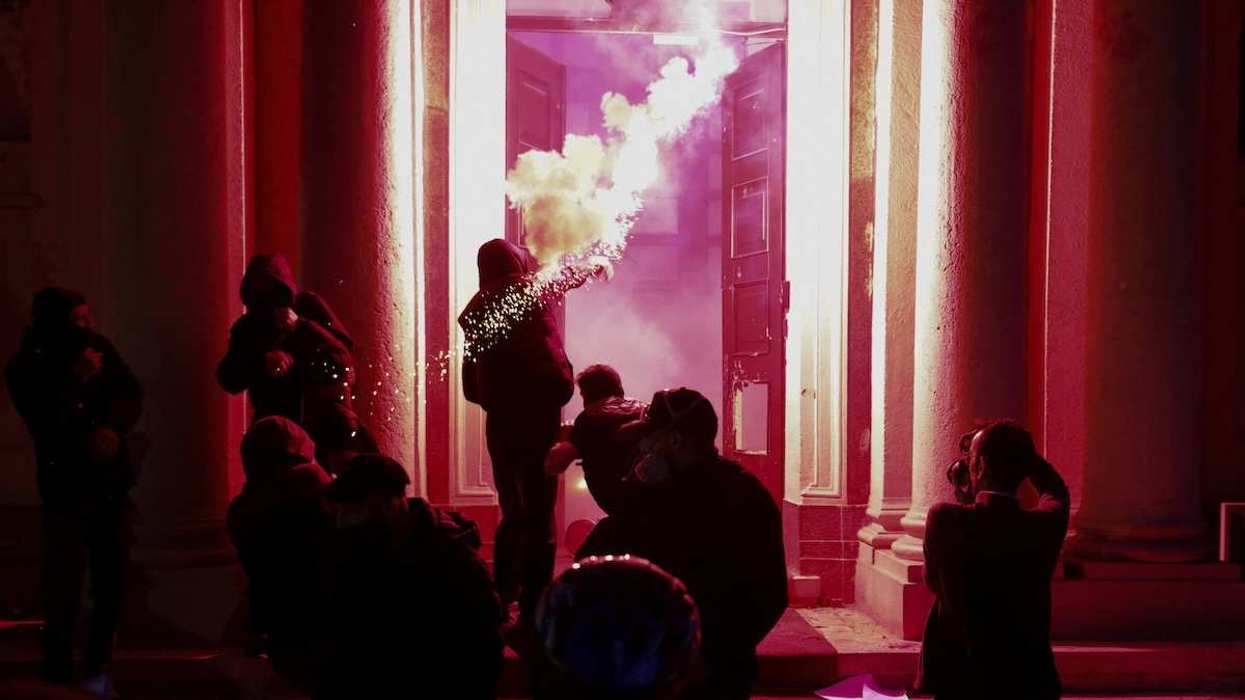
On Wednesday, armed men surrounded the Fontaine Hospital Center in Port-au-Prince, Haiti, trapping scores of people for hours before police managed to evacuate at least 40 children and 70 other patients. This type of violence has become a daily occurrence in Haiti, where police have struggled to gain the upper hand against gangs since the July 2021 assassination of President Jovenel Moïse. Haitian Prime Minister Ariel Henry has been urgently calling for international intervention for over a year to help crack down on the mayhem.


While most countries have opted not to jump into the fray, Kenya offered to lead a police force to quash Haiti’s gangs. The UN approved the plan last month, but it immediately hit a legal hurdle back in Kenya, where opponents say Kenya’s Constitution only permits military deployments overseas, not the dispatch of police officers. The court has yet to rule – a verdict is expected on Jan. 26, 2024 – but proponents of the mission got a boost this week when Kenya’s Parliament approved the mission. Lawmakers cited a committee report that found it constitutional on the grounds that Henry requested the police and because the government solicited public participation.

Kenya can’t go it alone: If the court greenlights the mission, the force consists of just 1,000 Kenyan officers, who would be joined by promised deployments from other nations, bringing the total to 2,500. Even combined with roughly 9,000 Haitian National Police officers, the proposed mission would still be outnumbered.

Haiti’s roughly 200 gangs – estimated to have had at least 100 members each in 2021, totaling 20,000-plus — have merged into two large coalitions, fighting both each other and the police for control.


More For You

Africa’s fountain of youth
Paige Parsacale
Cape Verde, the second-smallest country ever to qualify for the World Cup, was knocked out this weekend after a stunning match that pushed Lionel Messi and Argentina into extra time. The loss marked the end of a remarkable run for the African archipelago nation, but it also put a spotlight on a part of the world whose demographic star is rising. [...]
People vote in the legislative elections in Algiers, Algeria, on July 2, 2026.

People vote in the legislative elections in Algiers, Algeria, on July 2, 2026. The electorate, including the diaspora, consists of 24,727,041 registered voters. These elections will elect the 407 members of the tenth legislature of the People's National Assembly (APN), with a mandate of five years.

Billel Bensalem/APP/NurPhoto
Algerians are headed to the polls today to elect their next members of parliament. Nearly 25 million people are eligible to vote, selecting from over 1,200 candidates for 407 seats in the lower house. It’s the country’s second parliamentary election since the pro-democracy Hirak movement swept the country in 2019 – the peaceful uprising that [...]
Ebola’s economic side effects
Natalie Johnson
In addition to the health concerns from the Ebola outbreak, the UN is sounding the alarm on a potential development crisis in Africa sparked by the disease. The intergovernmental body warns that it could cost billions of dollars of the continent’s GDP, and that roughly 328,000 jobs stand to be lost if the disease spreads to countries like Rwanda [...]
Sexual violence in Sudan war
The United Nations is warning sexual violence is being used as a “weapon of war” in Sudan against civilians. There’s been a litany of accusations of heinous crimes leveled against the two main fighting groups in Sudan’s civil war – and this report is just the latest. Cases of sexual violence occurred across both conflict and displacement routes – [...]