Queen Elizabeth II, the longest-serving monarch in the history of the United Kingdom and virtually in world history, has died at the age of 96 in Balmoral, Scotland. She is succeeded by her son Charles, 73, now King Charles III.
Queen Elizabeth’s reign spanned roughly one-third of America’s entire existence (and nearly half of Canada’s, if you’re keeping count). Fifteen different UK prime ministers served under her, starting with Winston Churchill and ending with Liz Truss. During this time, the United Kingdom went from global power and industrial powerhouse to a post-European middle power. She lived through and reigned over the colonial era, the end of the British Empire, and the UK’s exit from Europe.
Under the British Constitution, the monarch is head of state of the United Kingdom and the Commonwealth. Although they are kept informed of all government activities through the Privy Council, their role is largely ceremonial and apolitical, with no part in government other than formally appointing prime ministers, accepting their resignation, and assenting to legislation.
Queen Elizabeth had long been the single most popular figure in the UK, seen as a beacon of stability in a fast-changing nation and a volatile world. The enduring popularity of the monarchy as an institution in Britain owes much to her.
Want to understand the world a little better? Subscribe to GZERO Daily by Ian Bremmer for free and get new posts delivered to your inbox every week.
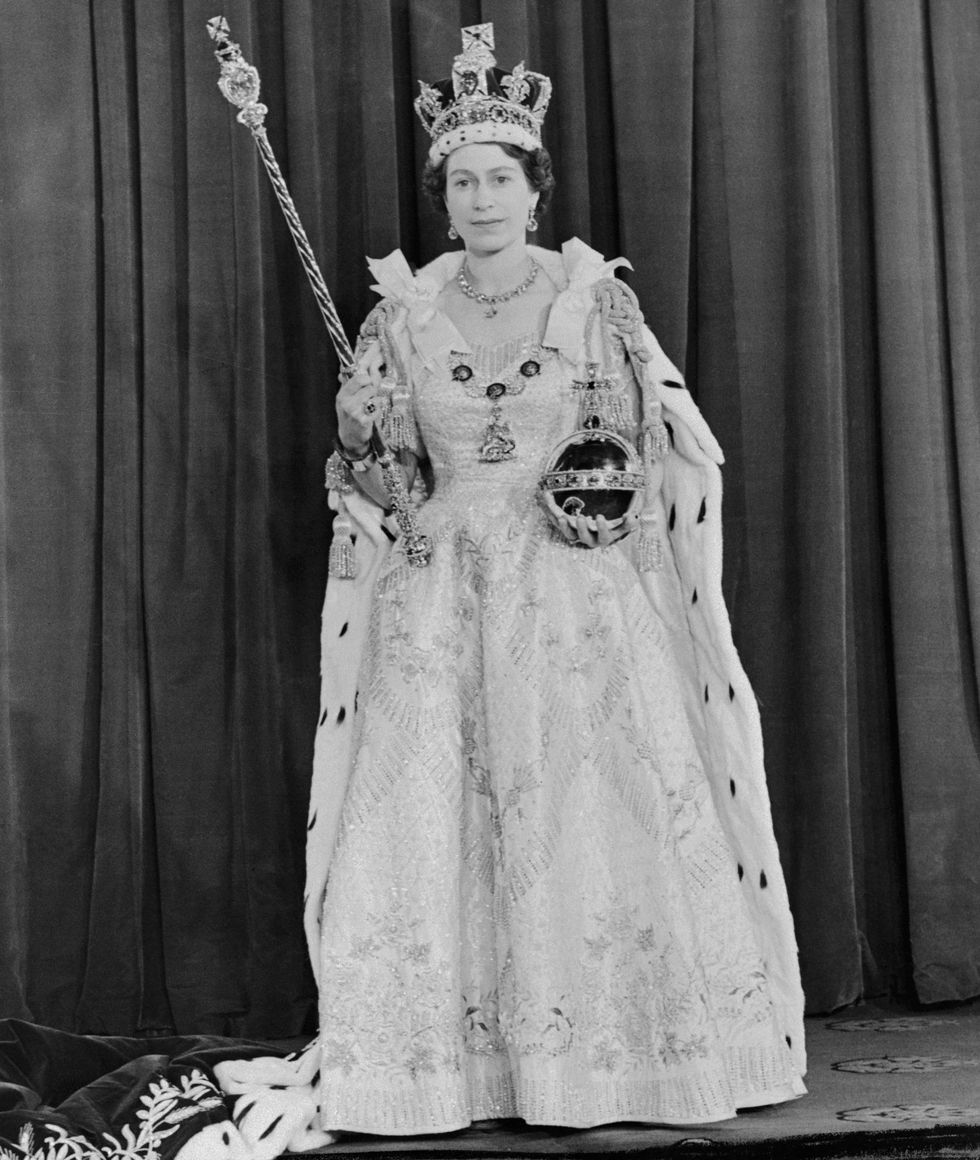 Queen Elizabeth II after her coronation in June 1953. PA Images
Queen Elizabeth remained utterly impartial through her 70-year reign. This contrasts with her son, now-King Charles III, who has been far less cautious over the years about allowing his political and policy opinions to reach the public’s ear. If the monarchy is to continue to succeed in the UK, the king will need to exercise greater restraint.
The queen’s death and succession will dominate headlines across the UK and the Commonwealth for some time, overshadowing Liz Truss’s first weeks as prime minister. The news will undoubtedly be received with enormous sadness by a public that’s been battered by two years of the Covid-19 pandemic, a shambolic Brexit process, a string of domestic political scandals, resurgent independent movements in Scotland and Ireland, and now the worst cost-of-living crisis of any major developed economy in the world.
Affection for the Queen has been a critical factor in keeping the United Kingdom and the Commonwealth together amid growing calls for independence. Republican movements in countries with constitutional parliamentary monarchies across the Commonwealth will likely grow stronger in the aftermath of her passing.
Until today, the queen was the only monarch the vast majority of Brits had ever lived under—not just the mother of modern Britain but also the matriarch of the British people, and a fixture of daily life. For the rest of us, she was the embodiment of Britain’s national identity and global power.
Queen Elizabeth was loved across the world in an extraordinary and singular way. King Charles has big shoes to fill. She will be missed.
🔔 And if you haven't already, don't forget to subscribe to my free newsletter, GZERO Daily by Ian Bremmer, to get new posts delivered to your inbox.