My Chilean friends won’t love this, but I’ll say it anyway: for a long time their country’s greatest virtue was that it was sort of boring.
A stable, prosperous, reasonably centrist country surrounded by perennial economic or political basket cases, Chile was the staid uncle with the nice watch. The khakis-and-a-button-down country with the green mountains and the unexpectedly good soccer team.
Goodbye to all of that. This Sunday, 19 million Chileans face one of the most extreme choices that any Latin American presidential election has thrown up in years.
In the left corner: Gabriel Boric, a 35-year-old lawmaker and former student activist who has an expansively progressive vision of what Chile should look like. He wants to raise taxes to fund social programs, impose fresh levies on mining companies (Chile is the world’s leading copper producer,) nationalize the pension system, protect abortion and same-sex marriage, and give Indigenous communities more rights.
In the (ultra) right corner: former congressman José Antonio Kast, an ultra-conservative Catholic who wants to slash taxes, clamp down on immigration, and roll back what he and his supporters see as an assault on traditional family and gender roles. He opposes same sex marriage and abortion. He openly admires former dictator Augusto Pinochet.
Right now it’s a dead heat. Although public surveys are banned two weeks out from the vote, the latest private polls show just a four-point lead for Boric, down from eight points in late November. A quarter of those polled were still undecided.
Once-boring Chile is in the grip of three big challenges.
The first is deep inequality. Yes, the country’s famously business-friendly policies helped to slash poverty by 25 points after 2000, but Chile is still one of the most unequal countries in the OECD. Back in 2019, the country saw massive — and occasionally violent —protests over that inequality, which led to a referendum in which 80 percent of Chileans voted in favor of rewriting the country’s Pinochet-era constitution. A few months later, they elected a left-leaning assembly to draft a document that will be finished next year.
Boric’s answer to inequality is to rejigger Chile’s economic engine in a way that asks more of private capital in order to ensure social harmony – but at the risk of stalling the motor altogether. Kast, meanwhile, wants to double down on a model that has “worked”, but which risks failing — again — to address the explosive problem of inequality.
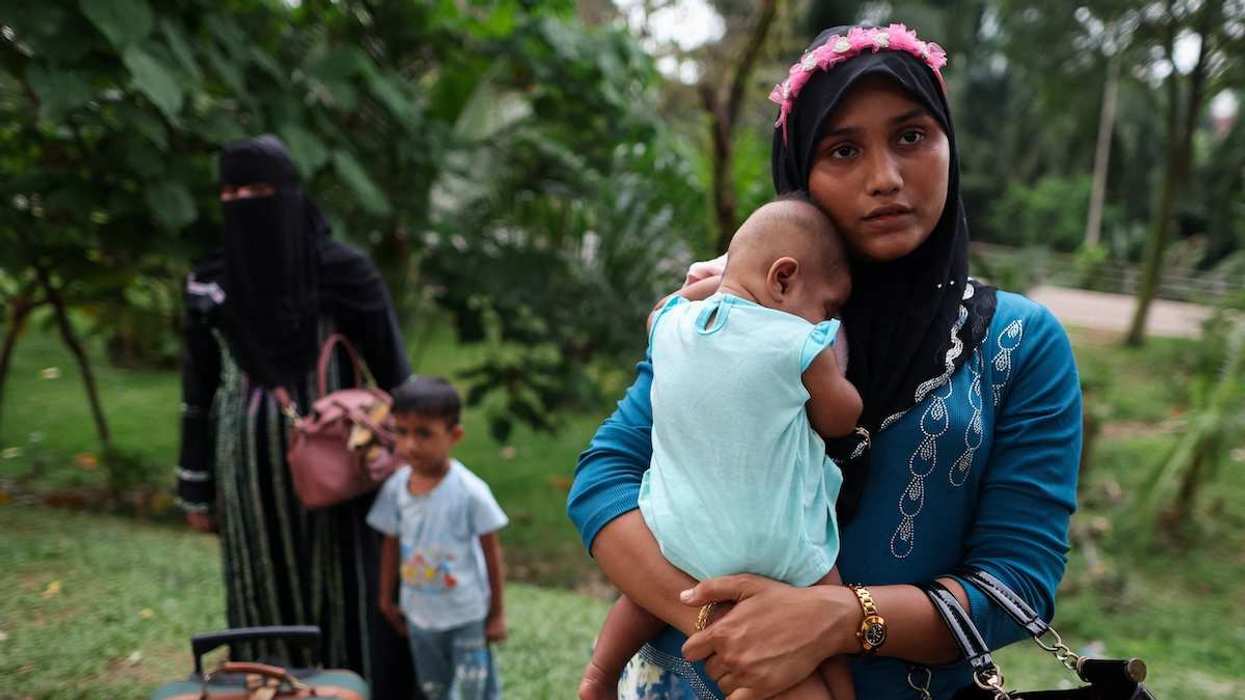
The second big issue is immigration. In recent years more than a million migrants — largely from Haiti and Venezuela — have fled violence and hunger at home to seek opportunity in Chile. This has provoked a backlash among “native” Chileans that Kast seized upon in the final weeks of the campaign. He wants to build trenches at the borders, restrict legal migration only to highly educated professionals, and offer bonuses to Chilean women for having children. Boric, meanwhile, says that migration should be orderly and secure, but he places human rights and humanitarian conventions at the center of his platform.
The third is democratic disillusionment. A recent Latinobarómetro poll showed that while a huge majority of Chileans support democracy in principle, only 18 percent say that democracy is working in their country right now. That frustration with the system is in part what drove Chileans to settle on these two diametrically opposed outsider choices in the final round.
The upshot: Chile is struggling with deeply divisive questions about what its economy should look like, and what “Chileans” should look like, and what Chile’s democracy should look like. This Sunday will be a decisive lurch in one direction or another.