No one is sure what the end of the Assad regime in Syria will bring, but few in the region are happier about it than Turkish President Recep Tayyip Erdogan. For years, Erdogan, whose Islamist AKP party has governed Turkey since 2003, had sought the ouster of Assad, a secular despot backed by Shia Iran, a regional rival.
In the end, the jihadist militants of Hayat Tahrir el-Sham, or HTS, a group supported in part by Turkey, led the campaign that ended the 54 year reign of the Assads.
But why was Erdogan in particular so interested in seeing that happen?
Here are four big reasons:
- The refugee problem. Nearly 4 million Syrian refugees have arrived in Turkey since the start of the Syrian civil war in 2011. Ankara has gotten some 9 billion Euros from the EU to support them and keep them from traveling onward to Europe, but their presence in Turkey has generated a social backlash. With Assad out of power, Erdogan sees an opportunity to send them home.
- The regional power play. The Sunni Islamist government of Erdogan has always seen Shia revolutionary Iran as a regional rival. Assad, supported by Tehran, was the keystone of Iran’s arc of regional power, enabling Iran to project power via proxy groups into neighboring Lebanon, Iraq, and the Palestinian territories. With that keystone removed, the arc has fallen, and now a Turkey-friendly Sunni Islamist group is in a position to pick up the pieces in Syria. That, says Emre Peker, lead Turkey analyst at Eurasia Group, gives Ankara a chance to “engage in a massive way in the reconstruction of Syria and expand influence and clout throughout the region.”
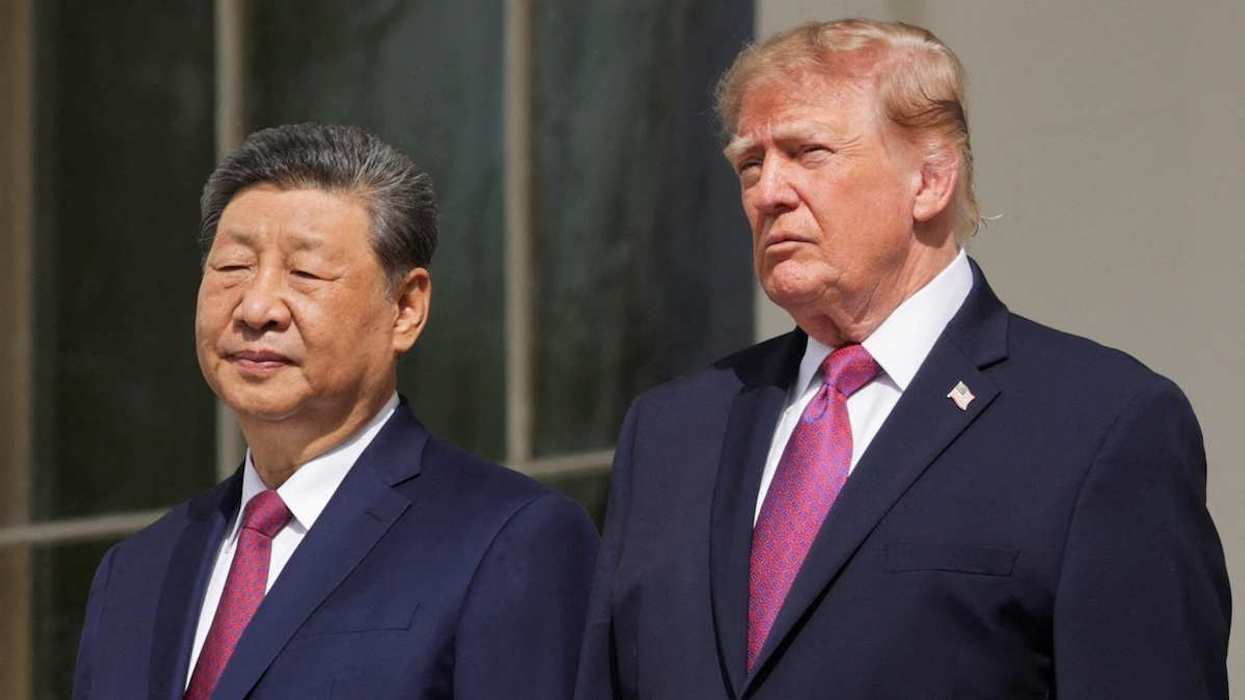
- The Kurdish complication. For decades, Ankara has faced separatist militancy from Kurdish groups based in southeastern Turkey and is hostile to Syrian Kurdish groups that have carved out autonomous zones of their own during the Syrian civil war. The post-Assad uncertainty has already given Erdogan an opportunity to move more forcefully against the Syrian Kurds. Still, he will have to maneuver carefully in order to avoid a spat with the US, which has backed Syrian Kurds as proxies in the fight against the Islamic State. Incoming US president Donald Trump has called for “staying out of” Syria, which Erdogan would welcome, but it remains to be seen whether that plays out.
- And lastly, the domestic angle. Turkey is in the grip of a huge cost of living crisis, with inflation near 50%. “At a time when everyone is upset about inflation,” says Peker, “the Syria situation is a godsend because now Erdogan can strut his stuff and be the global leader he always wants to be, and people will love him for it in Turkey.”
What could go wrong? Lots. Much of the upside for Erdogan depends on HTS being able to establish order, bring rivals and competing factions to heel, and above all, shape a society that most Syrians will want to live in – or go back to.
But if minority groups feel threatened by HTS rule, there could be a fresh exodus of refugees. Even worse, if HTS’s attempt to hold power collapses altogether, the country could plunge back into chaos and open civil war altogether.