Skip to content
Search

Latest Stories

Graphic Truth

Graphic Truth: Which NATO members meet the mark?

Graphic Truth: Which NATO members meet the mark?

Make us preferred on Google

NATO has long had an informal requirement that its members spend 2% of GDP on defense. However, despite decades of urging by successive US presidents, many member states have consistently fallen short of that target. Then came Donald Trump, who has threatened to withhold US military support, or pull out of NATO all together, if countries didn’t step up. Many countries have gotten the message. Here’s a look at how defense spending has changed among NATO members between 2014 and 2024.

More For You

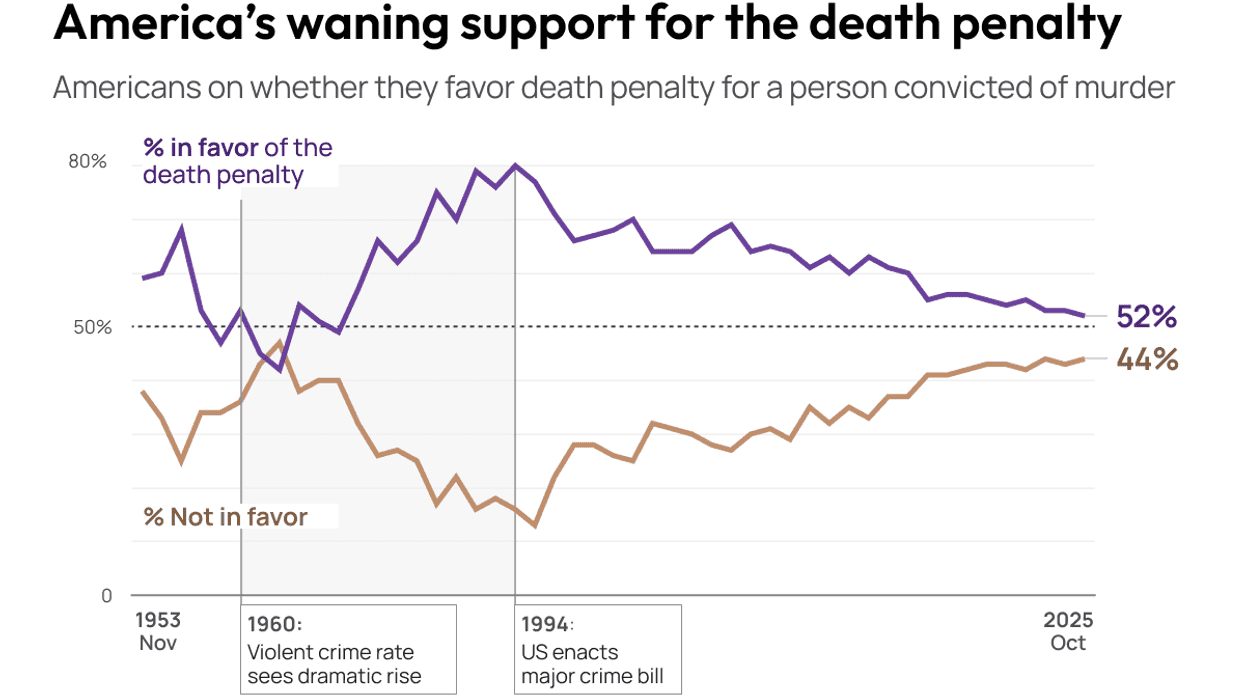
America’s waning support for the death penalty
Eileen Zhang
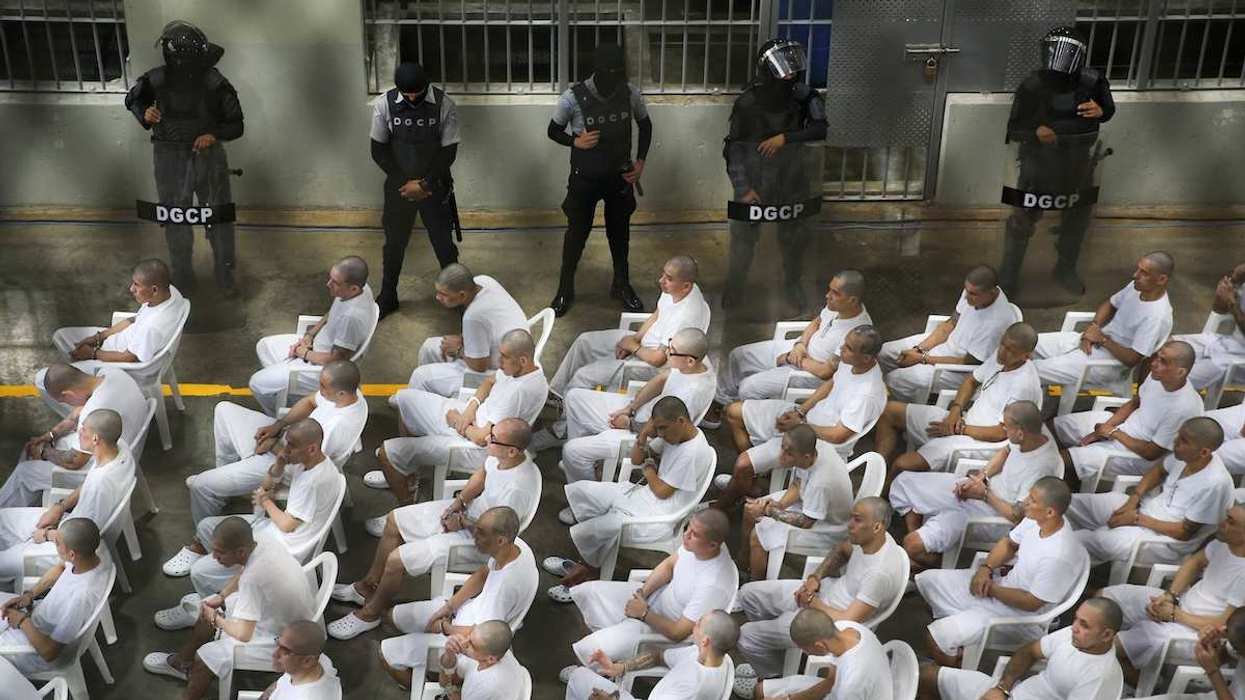
In the span of just over a week, US states carried out a failed execution and completed one by lethal injection, while Pentagon Chief Pete Hegseth has announced plans to livestream an execution of Nidal Hasan, the man convicted of carrying out a mass shooting at a military base in 2009. The events have reignited a decades-old debate over capital [...]
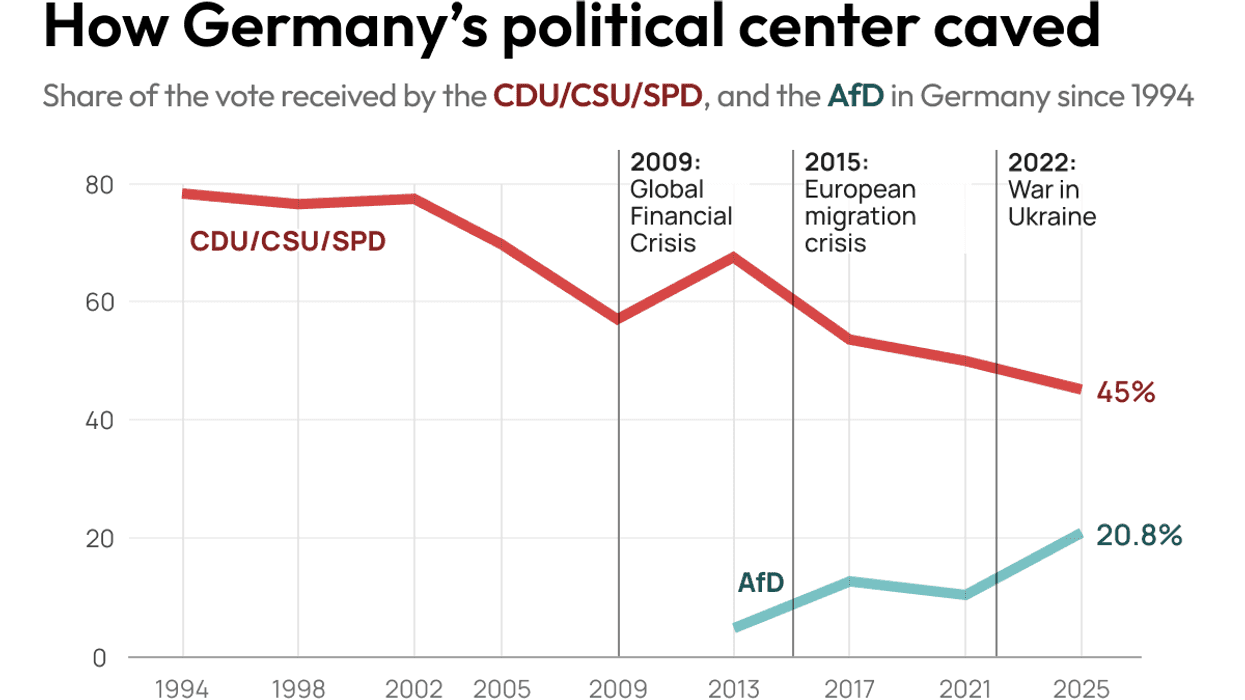
How Germany’s political center caved
Eileen Zhang
For nearly 80 years, two establishment parties have dominated/monopolized Germany's electoral politics.Since 1949, the center-left Social Democratic Party (SPD) and a conservative coalition uniting the Christian Democratic Union and the Christian Social Union (CDU/CSU) have anchored every single government – first in West Germany, and then in [...]
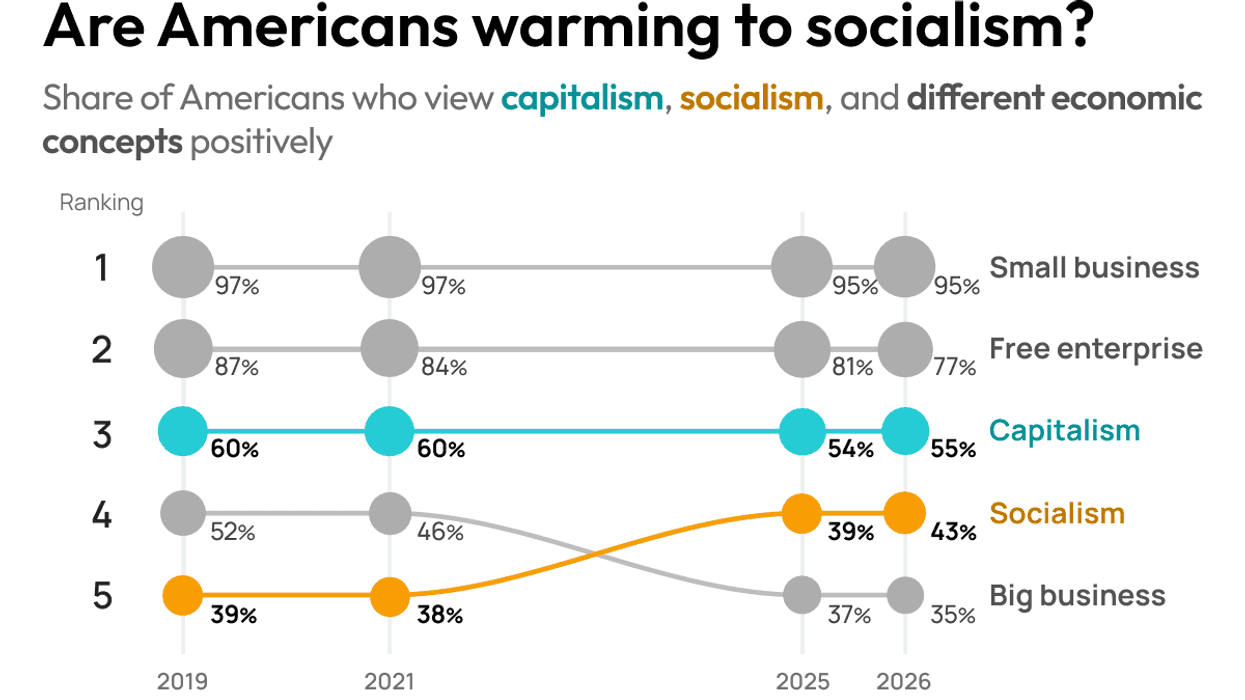
Are Americans warming to socialism?
Eileen Zhang
Socialism appears to be having a moment in the United States. According to surveys by Gallup, 43% of Americans now view socialism positively, the highest share since they began asking the question in 2010. Socialism still trails capitalism and free enterprise, but it has overtaken big business, which just 35% of Americans view positively. Why now? [...]
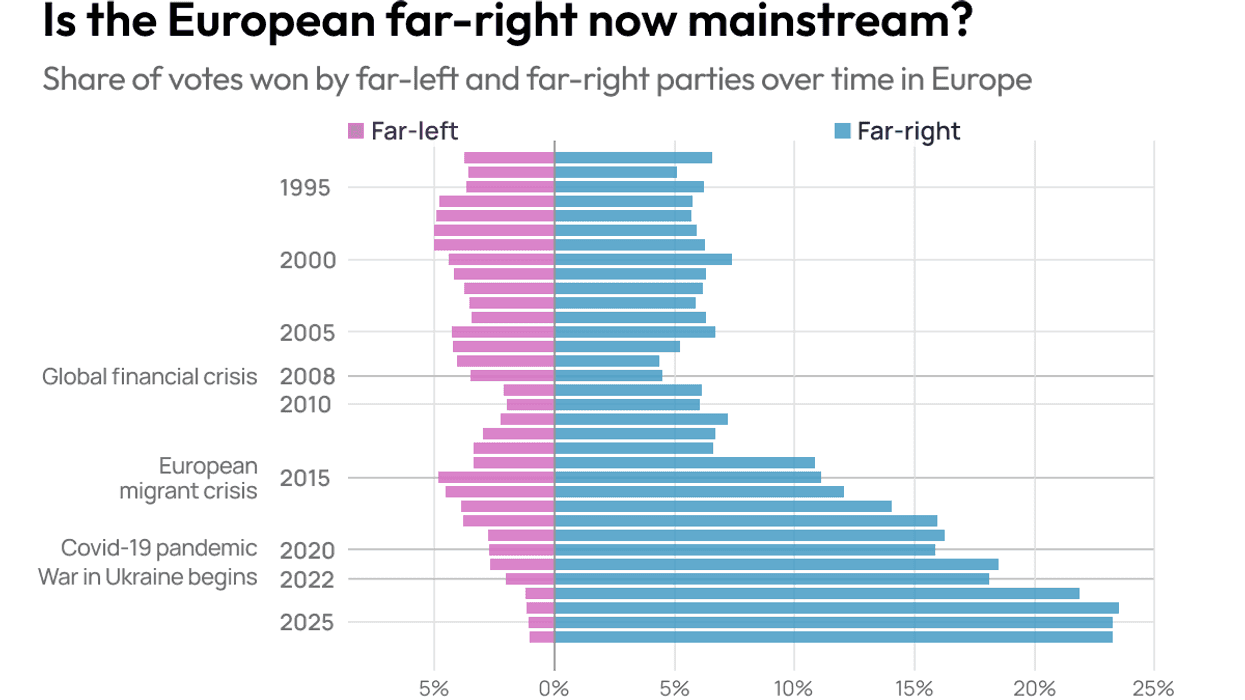
Is the European far-right now mainstream?
Eileen Zhang
Twenty years ago, far-right parties won less than 7% of the vote across Europe. Today? Close to a quarter. That’s according to data from the PopuList, a project involving more than 100 political scientists that tracks election results in Europe since 1993. The parties once on the political fringes look increasingly mainstream. In France, the [...]